CCTV Drain Inspection in Ryde
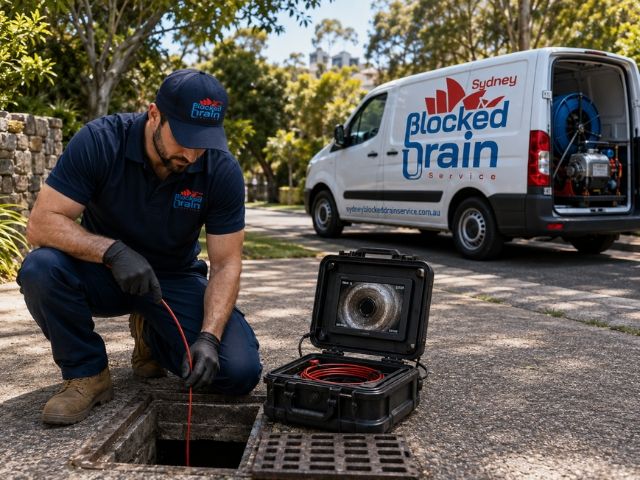
We run a camera under Ryde and Denistone homes to pinpoint the blockage.
CCTV drain inspection
From the Macquarie Park office towers to the riverside homes of Putney and Tennyson Point, the City of Ryde mixes commercial, unit and older-home drainage. We clear and repair it all, 24/7.
Local drain experts
The City of Ryde runs from the Macquarie Park business and university precinct down to the Parramatta River. Meadowbank and Melrose Park are filling with apartment towers, while Ryde, Denistone and Putney keep their older homes and decades-old pipes.
Riverside blocks at Putney and Tennyson Point sit lower and closer to the water, and mature trees across the area find their way into aged pipes. We clear the blockage, camera the line, and jet, eel or reline it, for offices, units and homes alike.
We quote upfront with no call-out fee. Your drains stop at your boundary; the main belongs to Sydney Water, and we will show you where the blockage sits.
What we do
One team for every blocked drain and damaged pipe in the City of Ryde. Tap any service for the full detail.
We run a camera under Ryde and Denistone homes to pinpoint the blockage.
CCTV drain inspectionMechanical eel work for the root-choked older lines of Marsfield and Putney.
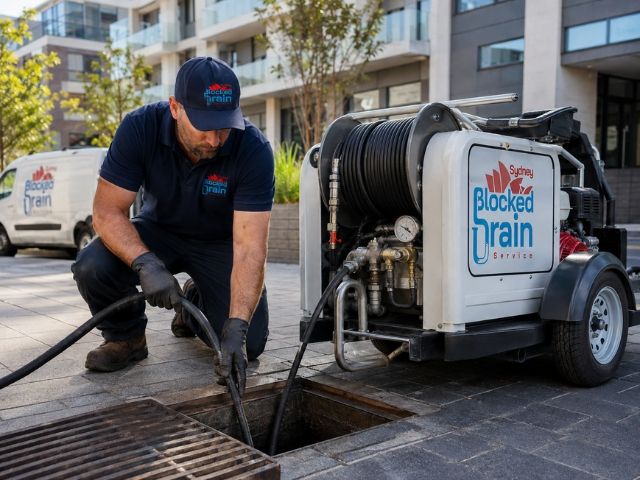
electric eel cleaningJetting that flushes grease and silt from Macquarie Park and Meadowbank drains.
water jettingTrenchless relining that rebuilds a cracked Ryde pipe from the inside.
pipe reliningSwapping out a pipe that has finally failed and cannot be relined.
pipe replacementBlocked toilets cleared the same day for homes and Meadowbank apartments.
blocked toilet repairCutting invasive roots from the established trees of Ryde and Tennyson Point.
tree root removalDrain servicing for the Macquarie Park offices, retail and campus buildings.
commercial drain cleaningScheduled upkeep that keeps Ryde commercial and home drains running clear.
repairs & maintenanceFast response
Tell us what is happening and we will call you straight back with a time and an upfront price. For an active emergency, calling is quickest.
Why choose us
Gear and coordination for Macquarie Park offices and Meadowbank towers.
We know how lower, riverside blocks at Putney and Tennyson Point drain.
Upfront quotes and $0 to attend across the City of Ryde.
NSW licence 306733C and 20-plus years on Sydney drains.
Simple process
Four steps from your first call to a drain that flows and a clear report on what caused it.
Reach us any time, day or night. No call-out fee and no obligation.
A licensed plumber heads your way, often within about the hour.
We camera the line to find the exact cause, then quote the fix upfront.
We jet or eel the blockage and show you the after footage, with relining advice if the pipe is damaged.

Coverage
Local drain plumbers across every neighbourhood in the council area. Find yours for suburb-specific help.
Good to know
No. We charge $0 to attend, with an upfront fixed price before any work starts.
Yes. We handle commercial drain cleaning and maintenance for offices and retail centres.
Yes. We use compact CCTV and jetting gear and coordinate with strata.
Often yes. No-dig relining rebuilds the pipe from the inside. We camera it first.
We run 24/7 and aim to be on site within about an hour.
Licensed Ryde drain plumbers, on call 24/7 with a $0 call-out fee and upfront pricing. Get it cleared today.