If you’re dealing with slow drains, overflow at a gully, or recurring backups in Lansdowne, the biggest win is getting the cause confirmed early so the fix matches what’s actually happening on-site—especially in mixed housing areas where access, parking, and pipe layout vary from property to property.
Arrange Your Booking Now
Across Lansdowne, we attend residential and small commercial jobs and schedule visits based on real on-site factors like access to inspection points, whether the property is under strata, and how quickly it can be prepared for a full assessment.
Reliable Blocked Drain Services Across Lansdowne
Yes—Sydney Blocked Drain Services covers Lansdowne. A typical call-out starts with locating where the blockage is affecting the property, whether that is a fixture, gully, or main line, followed by checking access and choosing the most practical low-disruption clearing method. Access and parking conditions can affect how quickly we get underway.
When to call If drainage problems are causing water backup, affecting several fixtures, creating a sewer smell, or returning after temporary clearing, it is time to act.
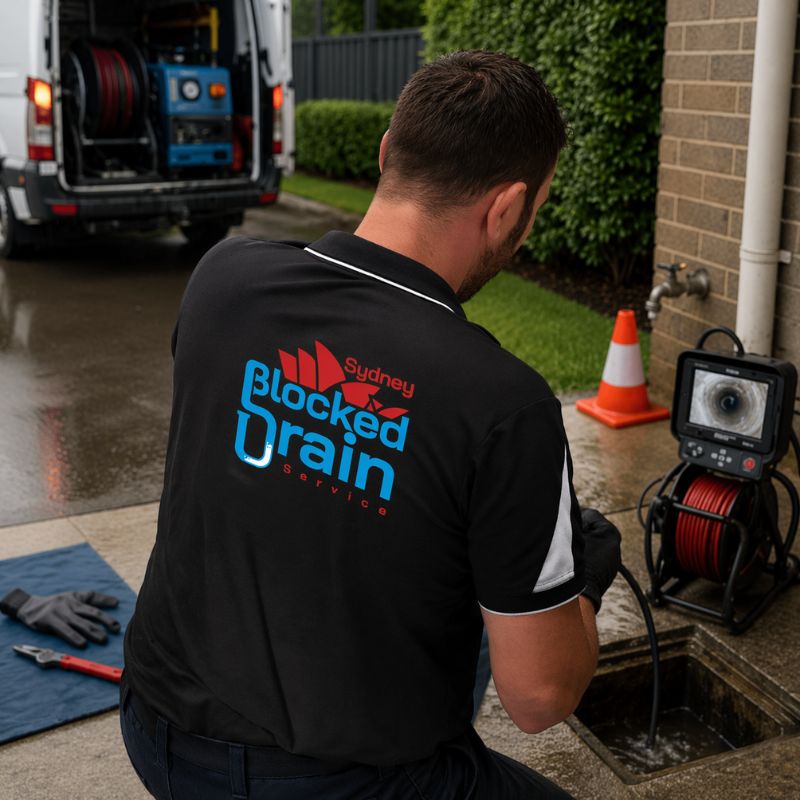
What we’ll do on-site Our team will find the likely line, inspect it where possible, often using an inspection opening, and confirm whether the next step should be clearing, a camera inspection, or a follow-up plan.
Coverage for Lansdowne Services
We cover Lansdowne within our Sydney service area and can schedule visits based on how urgent the issue is and when the site is available. Some properties are easy to attend with direct access to an external inspection point, while others need more planning, particularly where access is inside a unit, behind stored belongings, or in a shared area.
Deals and Specials





Access and On-Site Logistics Checklist
To keep the visit straightforward and avoid delays at arrival, these are the common local factors that can affect things most:
Work Situations Common in Lansdowne
These are common job scenarios we see in suburbs like Lansdowne (examples only—your site may differ):
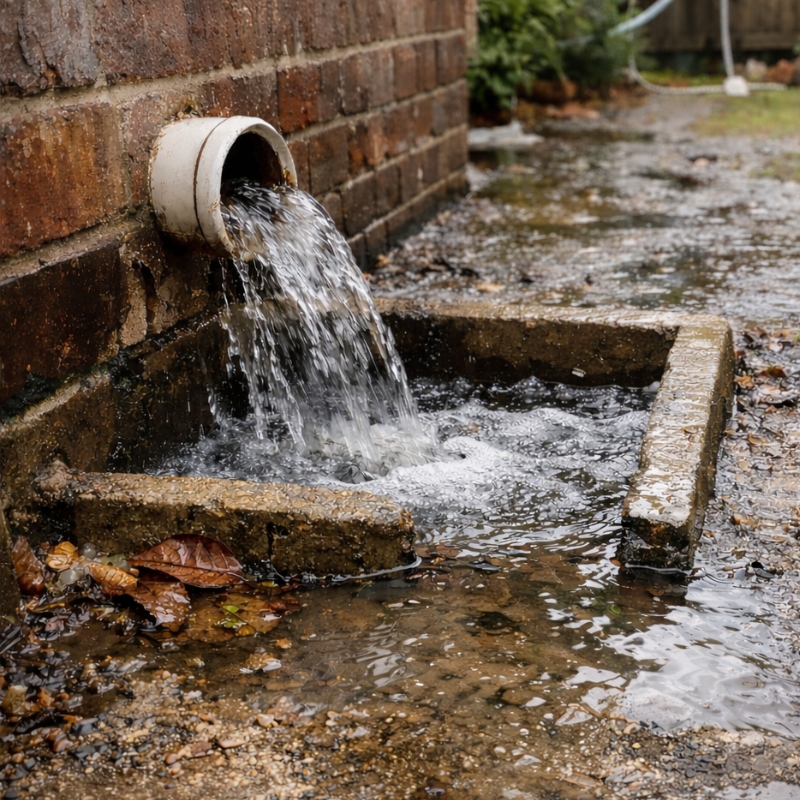
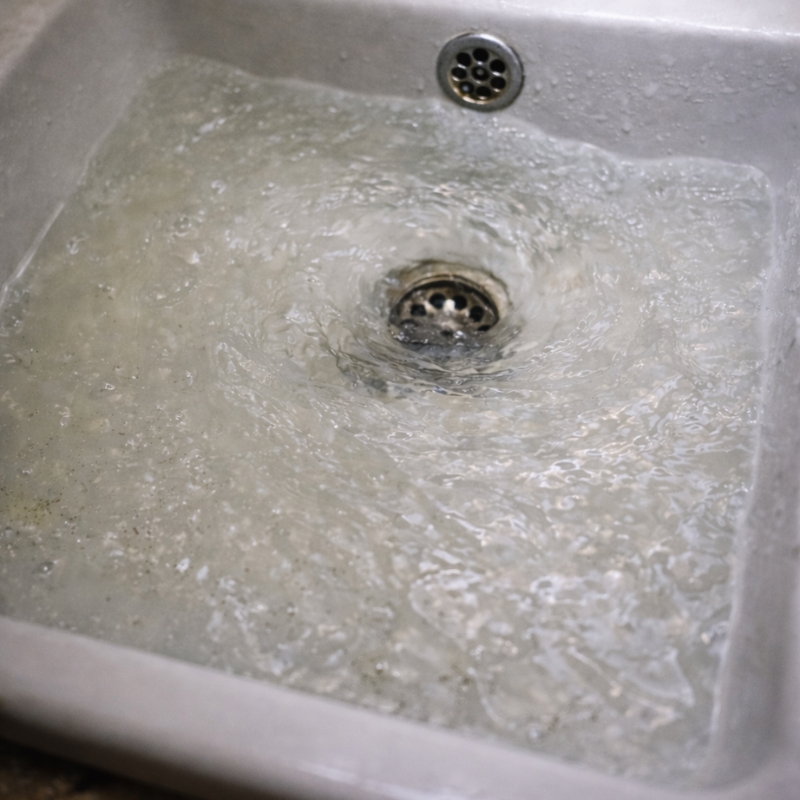
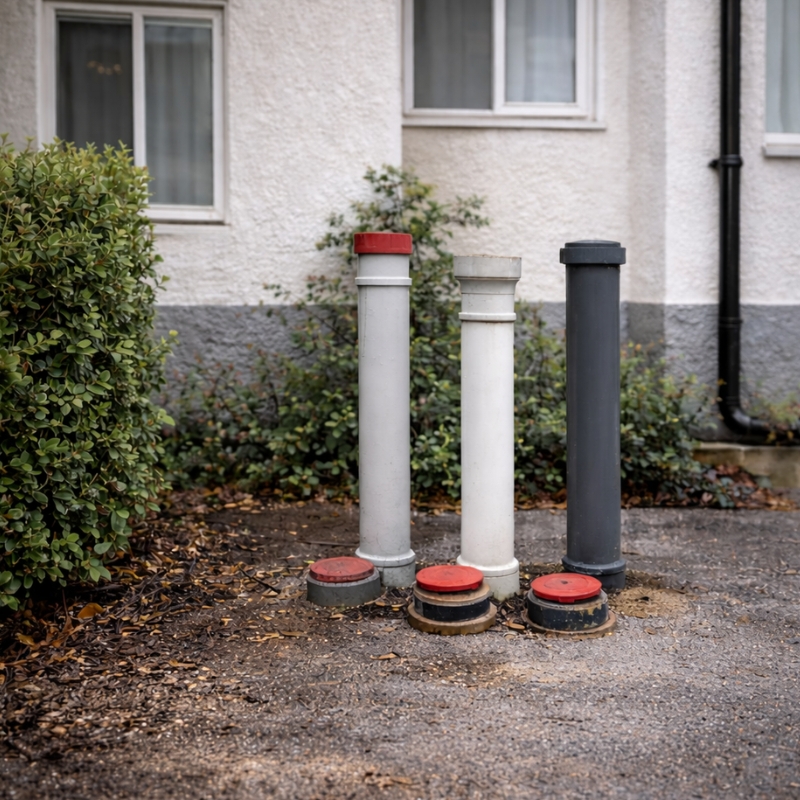
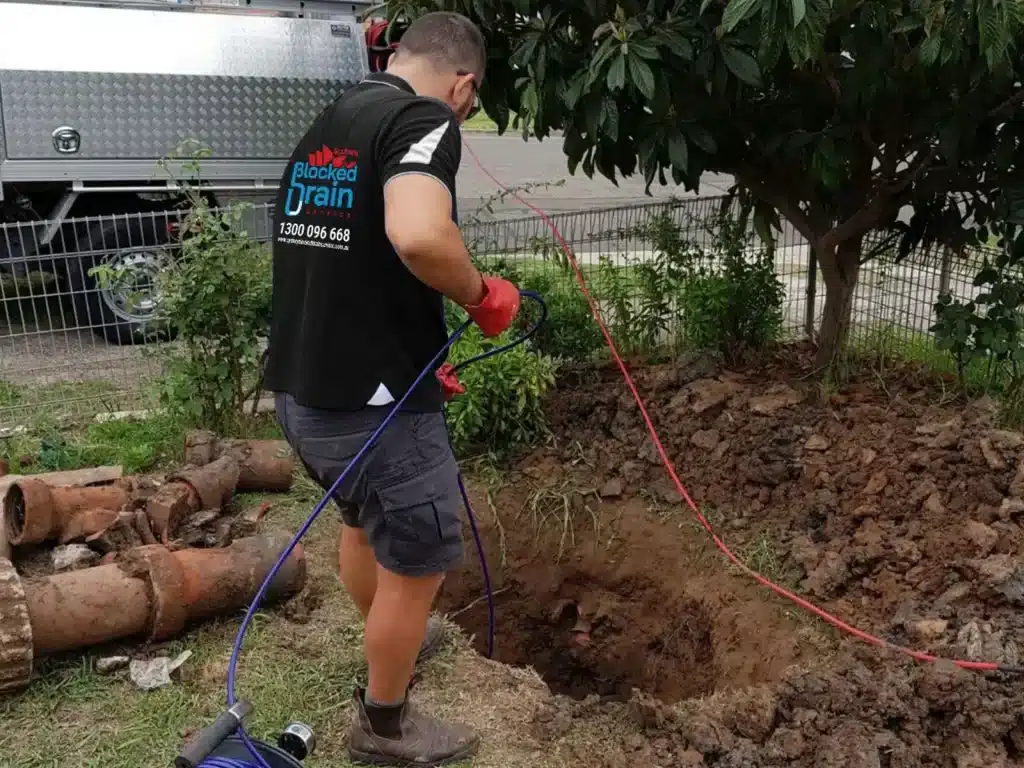
Depending on access and the symptoms on-site, we may use a CCTV drain camera, a high-pressure water jetter, and/or a pipe locator to confirm the issue and avoid guesswork.
Local Coverage & Logistics — Lansdowne (2163)
With access confirmed ahead of time, local delivery is usually smooth. The main constraints we plan around in suburbs like Lansdowne are typically:
- Limited access to inspection openings (inside, behind cabinetry, or in shared corridors)
- Building access rules and the need for a site contact to unlock restricted service areas
- Safety steps where pedestrians, driveways, or shared entries are part of the site
Further follow-up may be needed if inspection reveals pipe damage or a location that is not accessible during the same visit without additional approvals
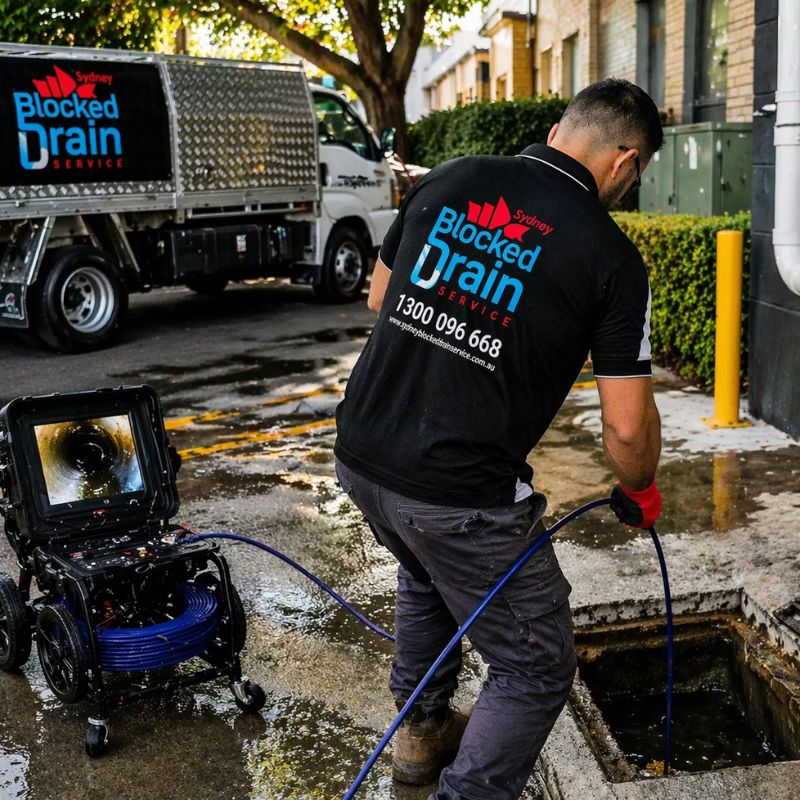
Typical Property Types We See Here
We’re usually called to a mix of:
- Detached homes and duplexes: usually easier to access from outside, though drainage layouts may differ due to past renovations.
- Units and townhouses: access may rely on internal floor wastes, balcony drains, or inspection points in shared areas.
- Light commercial spaces (small shops/offices): access often depends on trading hours and whether there is a shared service corridor.
What We Need Before the Visit
If you can, send:
- A brief explanation of which fixtures are affected (single sink vs multiple points)
- Photos or videos of any overflow points or affected drains
- Whether you’ve noticed smells, gurgling, or intermittent backups
What You’ll Receive After the Visit
After the on-site assessment or clearing, we can provide practical next steps such as:
- Site findings (symptoms + likely cause)
- Where the issue appears to be coming from, based on what was confirmed on-site
- Any recommended follow-up where the condition suggests a recurring risk
Operational Help FAQs
Yes—just let us know who handles access to common areas and what building rules contractors need to follow.
If keys, codes, or a site contact are in place for access, we can attend. If access is not arranged, the visit may need to be rescheduled.
Sometimes. External points are often enough to assess a blockage, but some unit sites and layouts need internal access to confirm the line involved.
Harsh conditions can change how safe it is to access or work on-site, particularly in outdoor areas. If rescheduling is required, it is generally for safety and practical site reasons.
Make sure the affected areas can be accessed, secure any pets, and keep track of when the issue happens, for example during washing machine cycles.
If your team actually offers “24/7 Emergency Response”, you can keep this wording. If not, remove it to avoid overpromising.
Get a FREE Quote Now