If you’re dealing with blocked drains, overflow at the gully, or repeated backups in Woollahra, getting the cause checked early makes a real difference because the fix can then match the conditions on-site, particularly in mixed housing areas where parking, access, and pipe layout are rarely the same.
Book Now
We handle jobs throughout Woollahra for homes and small commercial properties, planning each visit around practical factors such as inspection point access, strata management, and how soon the site can be prepared for a proper assessment.
Blocked Drain Support Across Woollahra
Yes—Sydney Blocked Drain Services can help in Woollahra. Most visits begin by working out where the blockage is presenting, assessing the available access points, and choosing the most practical clearing method with the least disruption possible. Delays can sometimes come down to access requirements, strata conditions, or limited parking.
When to call It is time to call if water backs up, multiple fixtures are involved, a sewer smell is present, or the blockage keeps returning after a temporary fix.
What we’ll do on-site We’ll pinpoint the likely line, inspect it where possible, often through an inspection opening, and confirm whether clearing, camera inspection, or a follow-up plan is the most suitable next step.
Coverage Throughout Woollahra
We cover Woollahra within our Sydney service area and can schedule visits based on how urgent the issue is and when the site is available. Some properties are easy to attend with direct access to an external inspection point, while others need more planning, particularly where access is inside a unit, behind stored belongings, or in a shared area.
Deals and Specials





On-Site Access & Logistics Checklist
To keep the visit straightforward and avoid delays at arrival, these are the common local factors that can affect things most:
On-Site Work Scenarios in Woollahra
These are common attendance scenarios in suburbs like Woollahra (examples only—your exact site conditions may be different):
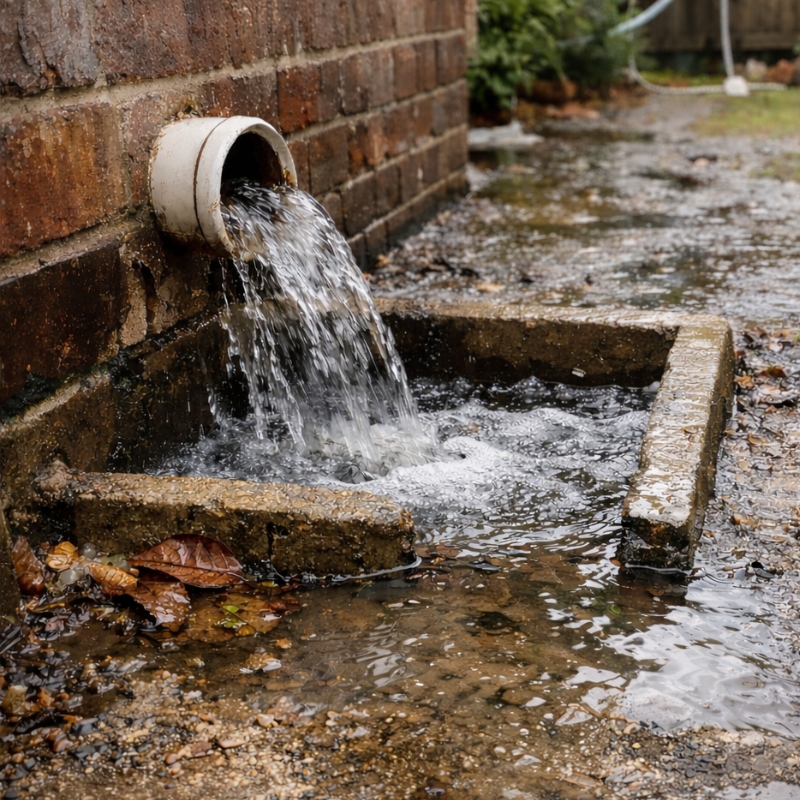
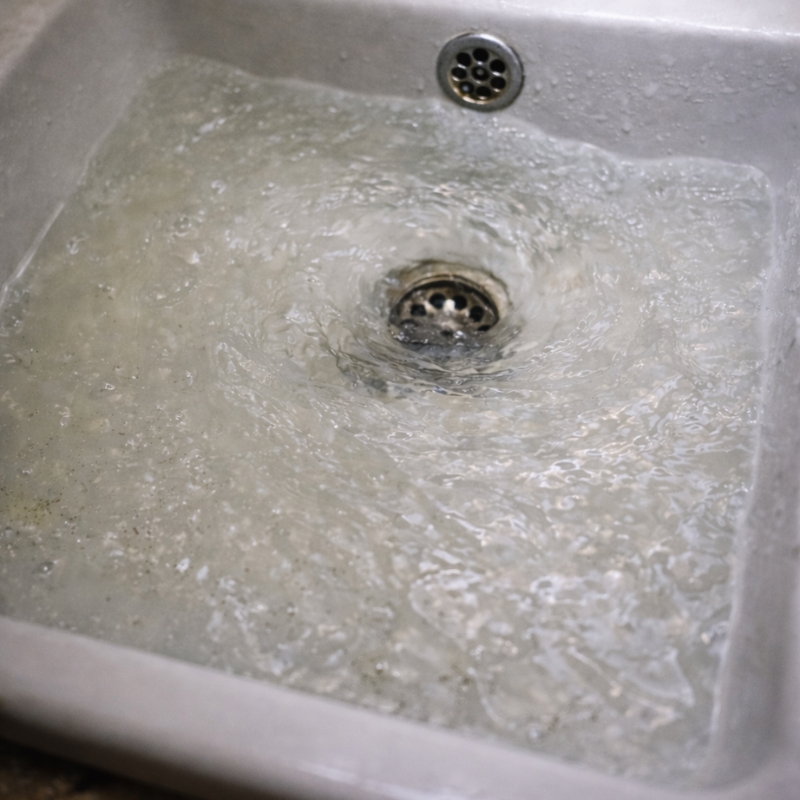
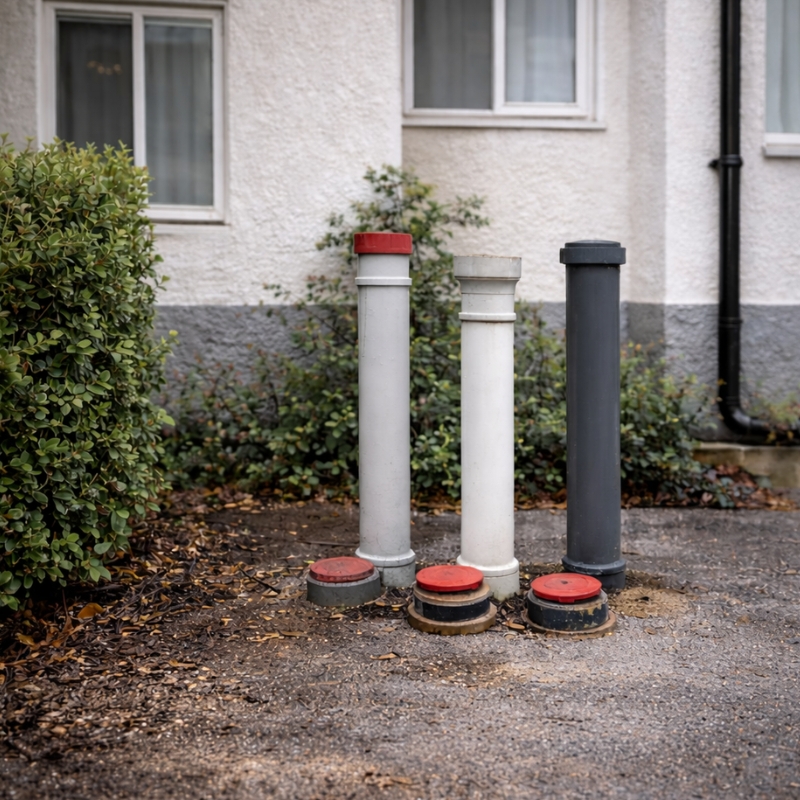
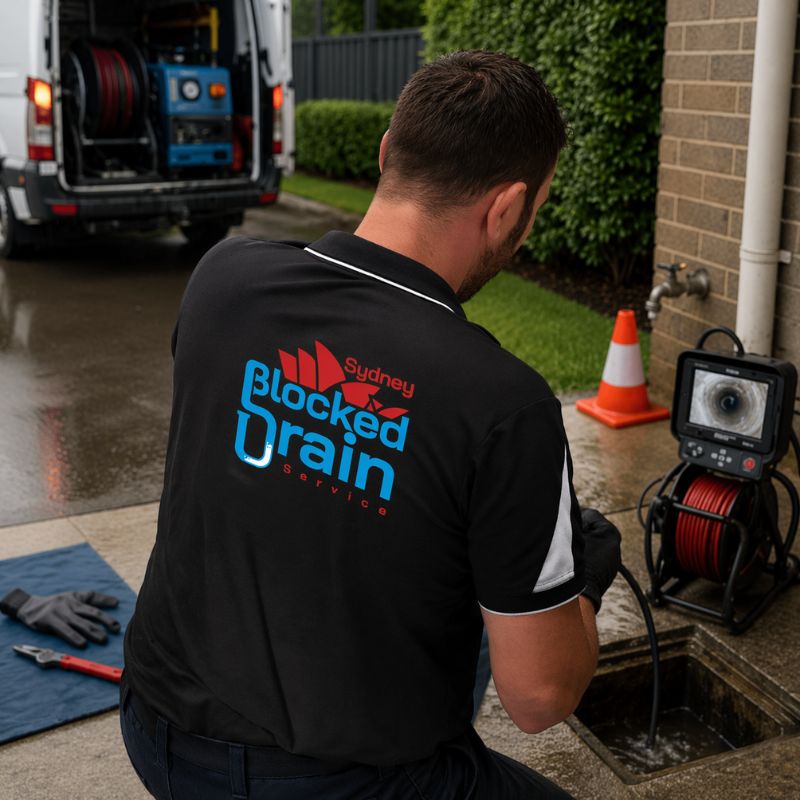
Where access and symptoms allow, we may use a CCTV drain camera, high-pressure water jetting, and/or a pipe locator to confirm what is going on and limit guesswork.
Attendance Coverage & Logistics — Woollahra (2025)
Delivery in suburbs like Woollahra is usually straightforward when access is sorted ahead of time. The main constraints we typically plan around are:
- Inspection openings with tight access (indoors, behind cabinetry, or in shared corridors)
- Strata conditions and the need for a site contact to provide access to service areas
- Safety controls for areas involving pedestrians, driveways, or shared entries
Follow-up can be necessary if inspection reveals a damaged area of pipe or a section that cannot be reached during the same visit without extra approvals
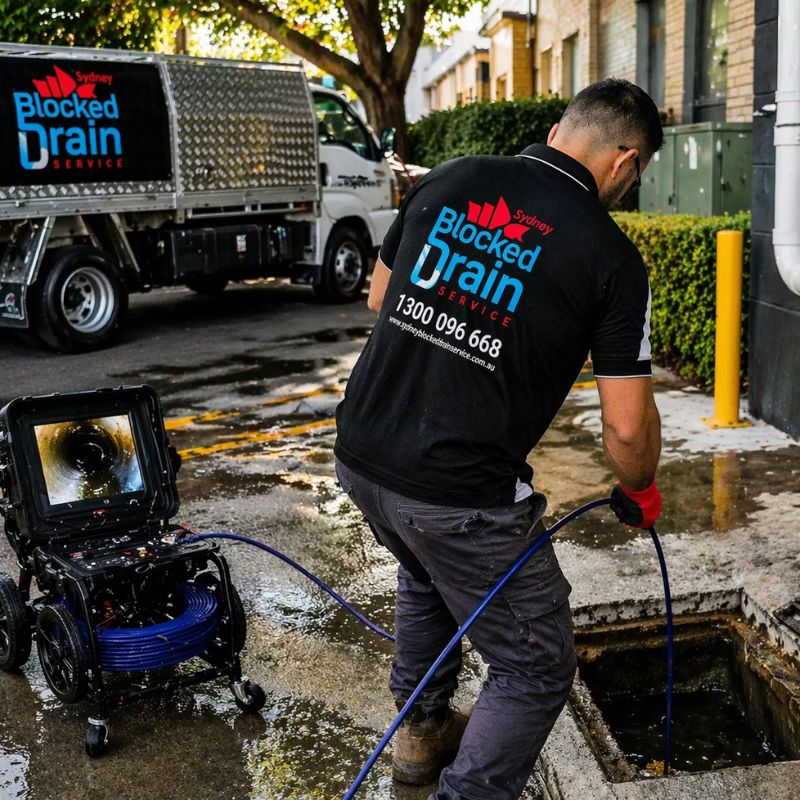
Property Types Frequently Seen Here
We commonly work with a mix of:
- Detached homes and duplexes: generally provide clearer outside access, but drainage layouts can change over time with extensions or renovations.
- Units/townhouses: entry to the drainage line may be via internal floor wastes, balcony drains, or common-area inspection points.
- Light commercial properties (small shops/offices): access may rely on trading hours and whether access is through a shared service corridor.
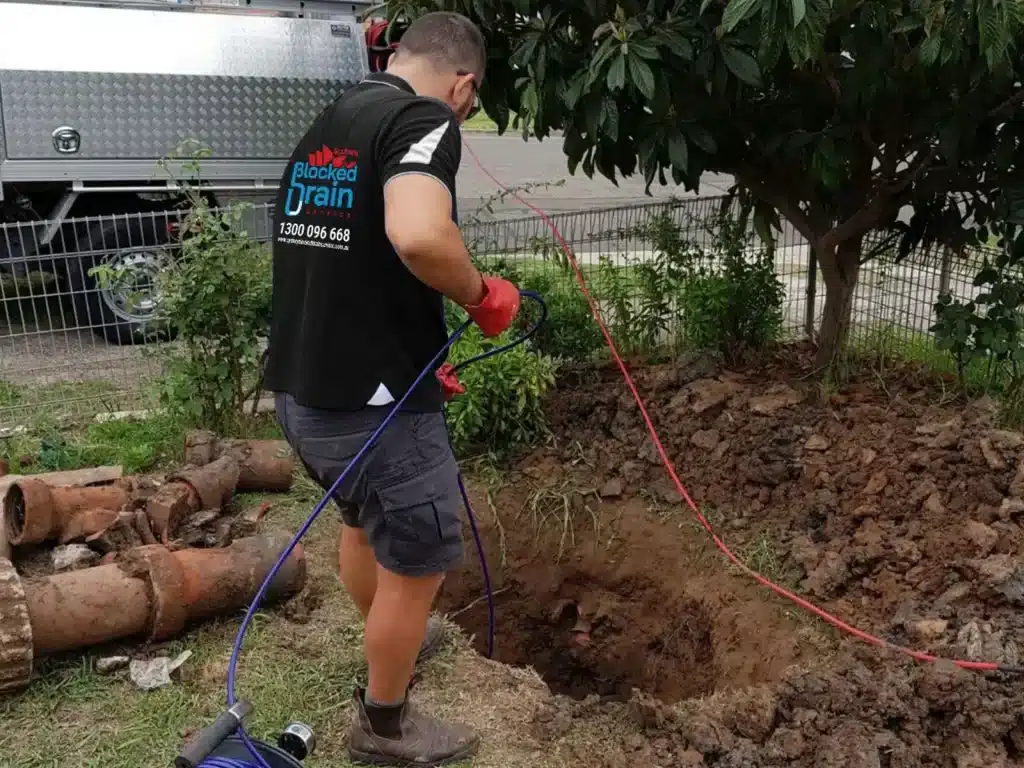
What We Need From You Prior to Attendance
Please send these details if you can:
- A short note confirming which fixtures are affected (one sink or multiple areas)
- Any photos or videos of where overflow is occurring or which drains are affected
- Whether you’ve had odour, gurgling, or backups that come and go
After the Visit: What You Receive
After the on-site inspection or clearing, we can provide practical next steps such as:
- Observed symptoms and likely cause
- Apparent issue location (as best confirmed on-site)
- Any follow-up recommendations if the condition shows a recurring risk
Operational Support FAQs
Yes—just advise who can unlock or approve access to common areas and share any building rules for contractor visits.
If keys, codes, or a site contact are in place for access, we can attend. If access is not arranged, the visit may need to be rescheduled.
Sometimes. Many blockages can be assessed from external points, but unit sites and some layouts require internal access to confirm the affected line.
Severe weather can affect safe access and working conditions, especially in external areas. If the visit needs to be rescheduled, it is usually due to safety and site practicality.
Ensure affected areas are accessible, pets are secured, and the timing of the issue is noted, such as during washing machine cycles.
If your operations genuinely support “24/7 Emergency Response”, you can keep it. If they do not, it is better to remove it than overpromise.
Get a FREE Quote Now