CCTV Drain Inspection in Auburn
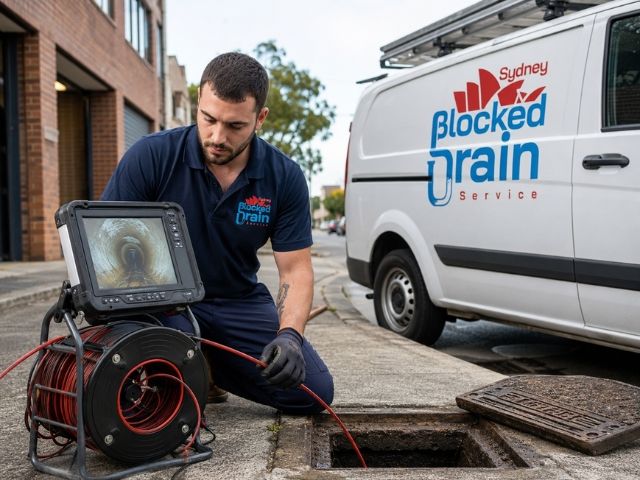
Camera surveys that find blockages under Auburn and Merrylands homes.
CCTV drain inspection
Across the Cumberland area, from Auburn and Merrylands to Guildford and Greystanes, older homes, unit blocks and busy commercial strips keep the drains working hard. We clear and repair them, 24/7.
Local drain experts
The Cumberland council area sits in Sydney's central west, taking in Auburn, Merrylands, Granville and Guildford. Older brick homes and unit blocks run on ageing pipes, and the busy Auburn and Merrylands retail and food strips push grease and waste through the drains behind them.
Western-Sydney clay is the common thread out here, cracking pipe joints and letting tree roots in, and the industrial pockets of Auburn and Yennora have heavy-use drainage of their own. We clear the blockage, camera the line to find the fault, and jet, eel or reline it.
We quote upfront with no call-out fee. Your drains stop at your boundary; the main belongs to Sydney Water, and we will show you where the blockage sits.
What we do
One team for every blocked drain and damaged pipe in the Cumberland area. Tap any service for the full detail.
Camera surveys that find blockages under Auburn and Merrylands homes.
CCTV drain inspectionClears roots and build-up in older Guildford and Granville lines.
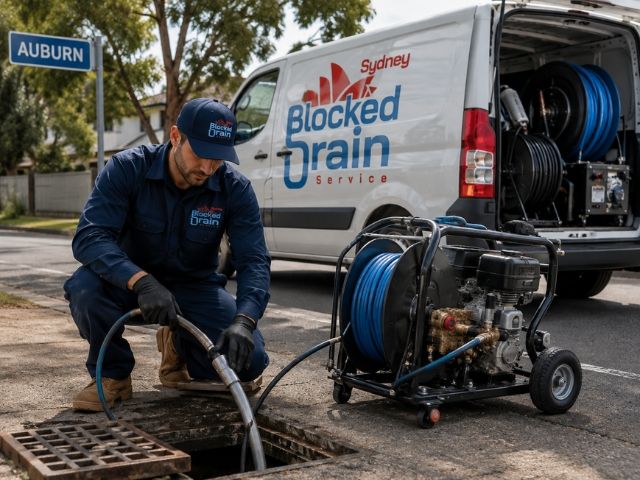
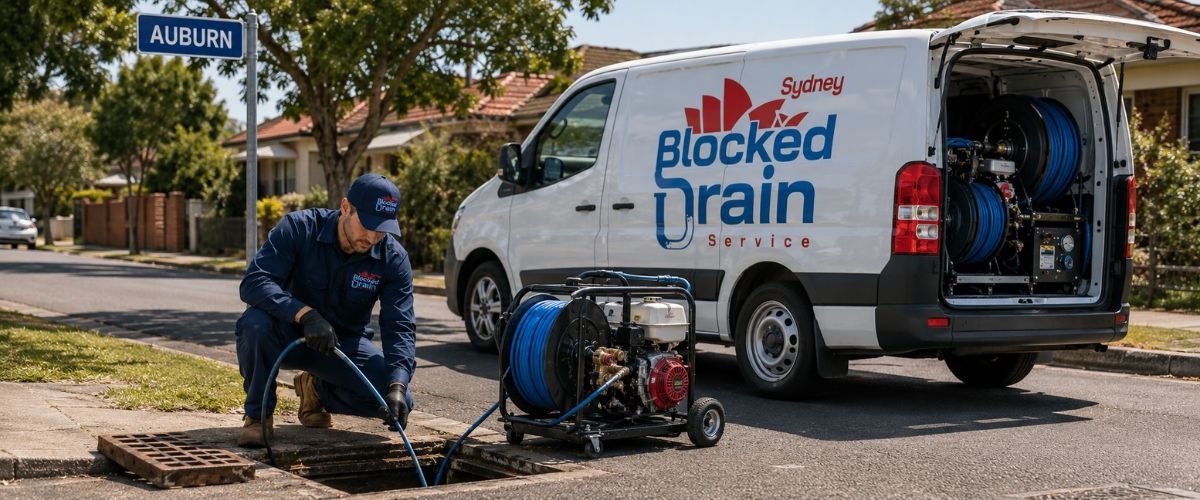
electric eel cleaningBlasts grease and food waste from the Auburn and Merrylands eat streets.
water jettingNo-dig relining that renews a cracked pipe from the inside, no trenches across the yard.
pipe reliningPipe replacement when a corroded or collapsed line is beyond a liner.
pipe replacementSame-day blocked toilet clearing for homes and units across Lidcombe and Berala.
blocked toilet repairRoot removal for the established trees of Greystanes and Toongabbie.
tree root removalDrain care for the Auburn and Yennora shops, warehouses and units.
commercial drain cleaningMaintenance plans for Cumberland homes, shops and factories.
repairs & maintenanceFast response
Tell us what is happening and we will call you straight back with a time and an upfront price. For an active emergency, calling is quickest.
Why choose us
The Auburn and Merrylands eat streets send plenty of grease down the drains, and we clear it.
We plan the fix around western-Sydney clay that keeps cracking pipes.
Upfront quotes and $0 to attend across Cumberland.
NSW licence 306733C and 20-plus years on Sydney drains.
Simple process
Four steps from your first call to a drain that flows and a clear report on what caused it.
Reach us any time, day or night. No call-out fee and no obligation.
A licensed plumber heads your way, often within about the hour.
We camera the line to find the exact cause, then quote the fix upfront.
We jet or eel the blockage and show you the after footage, with relining advice if the pipe is damaged.
Coverage
Local drain plumbers across every neighbourhood in the council area. Find yours for suburb-specific help.
Good to know
Yes, from Auburn and Lidcombe through to Merrylands, Guildford and Greystanes.
Yes. High-pressure jetting clears grease, plus scheduled maintenance for food venues.
No. We charge $0 to attend, with an upfront fixed price before we start.
Often roots in clay-cracked pipes. A camera finds it, and relining stops roots getting back in.
We run 24/7 and aim to be on site within about an hour.
Licensed Auburn drain plumbers, on call 24/7 with a $0 call-out fee and upfront pricing. Get it cleared today.