If you’re facing slow drains, gully overflow, or repeat blockages in Chippendale, the best first step is confirming the cause early so the solution suits the actual issue on-site, particularly in mixed housing areas where access, parking, and pipe layouts differ between properties.
Arrange Your Booking Now
We attend homes and small commercial sites across Chippendale, with visits planned around practical details including access to inspection points, strata requirements, and how quickly the property can be made ready for a proper assessment.
Professional Blocked Drain Solutions Throughout Chippendale
Yes—Sydney Blocked Drain Services can attend jobs in Chippendale. Most visits start by confirming where the blockage is appearing, checking available access points, and selecting a clearing method that causes the least disruption. Things like keys, locked gates, strata arrangements, and parking access may impact start time.
When to call You should call if water is backing up, more than one fixture is affected, there is a strong sewer smell, or the issue keeps returning after a temporary clear.
What we’ll do on-site We assess the likely line, inspect where possible, often using an inspection opening, and confirm whether clearing, a camera inspection, or a follow-up plan should happen next.
Service Coverage in Chippendale
Our Sydney run includes Chippendale, and we can schedule visits based on urgency and site readiness. Some properties are straightforward with direct access to an external inspection point, while others require coordination, particularly where access is only possible inside a unit, behind tenants’ belongings, or through a shared common area.
Specials








On-Site Access Planning Checklist
To keep the visit straightforward and avoid delays at arrival, these are the common local factors that can affect things most:
Local Work Scenarios in Chippendale
These are some of the common situations we attend in suburbs like Chippendale (examples only—nothing here assumes the exact conditions at your site):
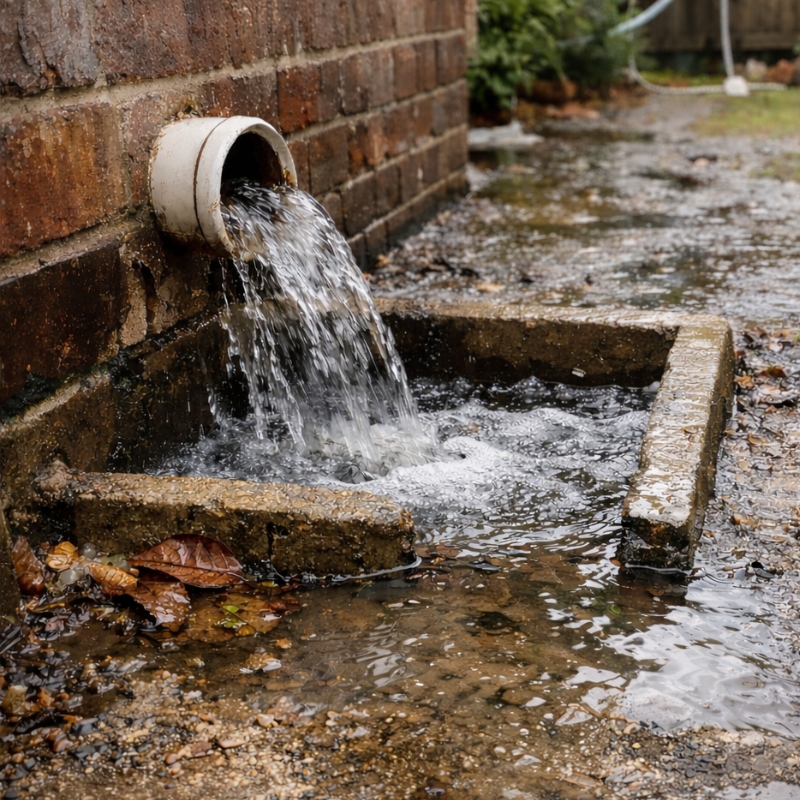
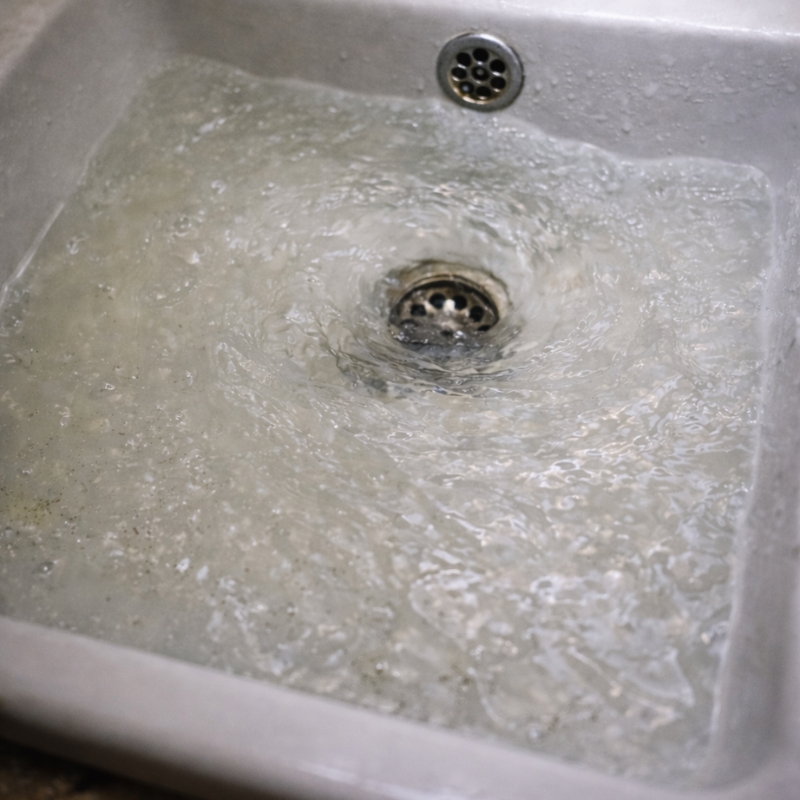
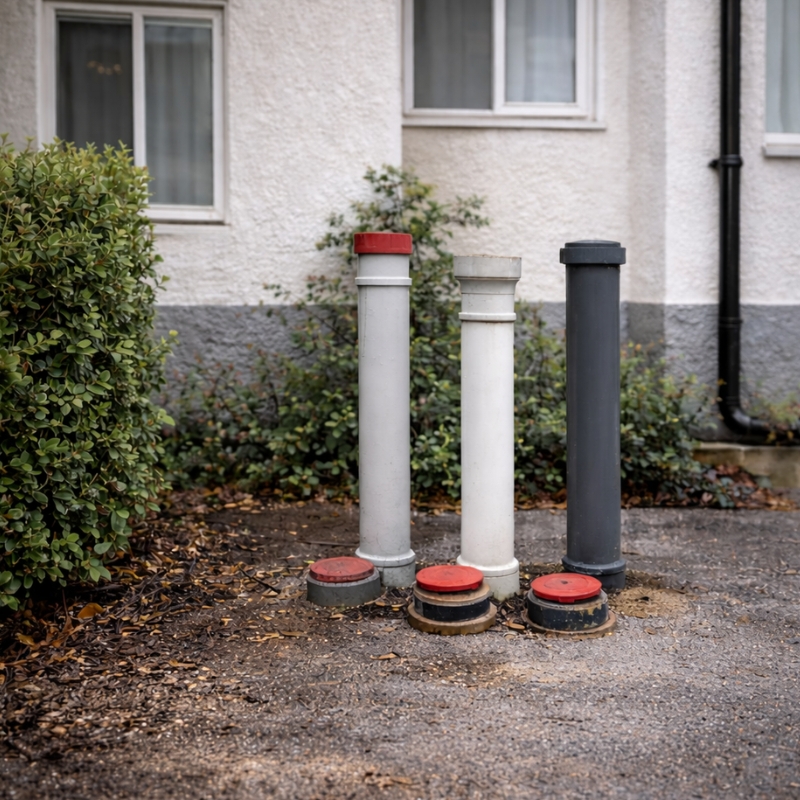
According to access conditions and the symptoms observed, we may use a CCTV drain camera, a high-pressure water jetter, and/or a pipe locator to confirm the problem and reduce unnecessary guesswork.
Site Coverage & Logistics — Chippendale (2008)
When access is confirmed ahead of time, local delivery is usually straightforward. The main constraints we plan around in suburbs like Chippendale tend to include:
- Hard-to-reach inspection openings (indoors, behind cabinetry, or in shared corridors)
- Building rules and the need for a site contact to unlock service areas
- Safety procedures where pedestrians, driveways, or shared access areas are involved
Follow-up requirements can arise if inspection finds pipe damage or a location that cannot be reached on the same visit without further approvals
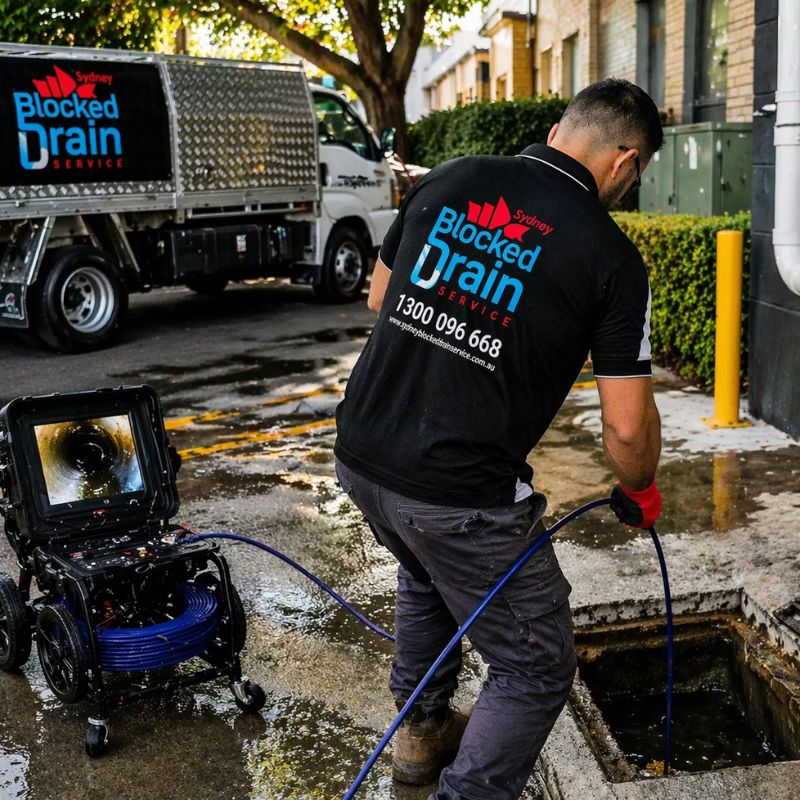
Property Types Frequently Seen Here
We’re typically attending a mix of:
- Detached homes and duplexes: external access is often less complicated, though renovations can lead to different drainage layouts.
- Units/townhouses: access can be through internal floor wastes, balcony drains, or common-area inspection openings.
- Light commercial premises such as small shops and offices: access can vary based on trading hours and whether there’s a shared service corridor.
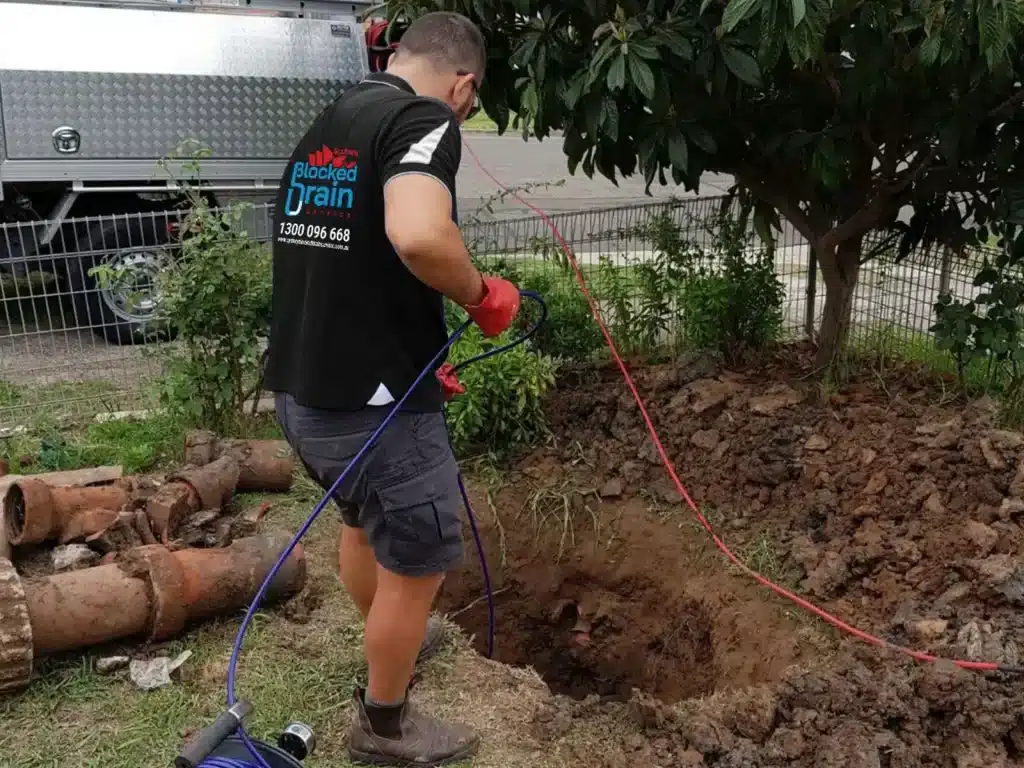
What We Need From You Ahead of the Visit
If convenient, please send:
- A short detail on which fixtures are affected (one sink or more than one point)
- Any clear photos or videos of overflow points or affected drains
- Whether you have observed odour, gurgling, or stop-start backups
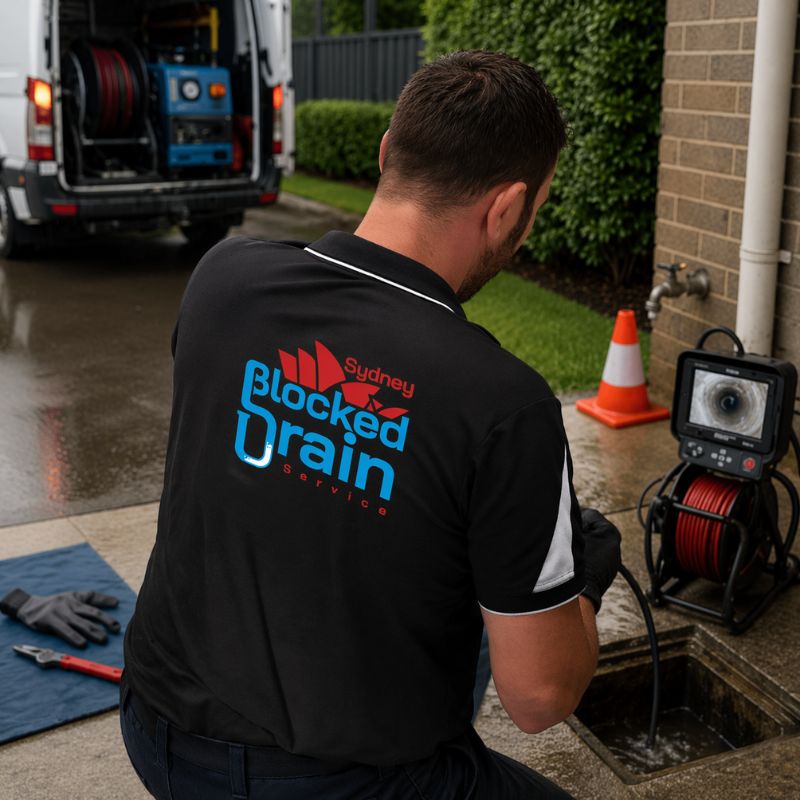
What You’ll Get After the Visit
Once the on-site assessment or clearing is completed, we can provide practical next steps such as:
- Our findings (symptoms + likely cause)
- Where the issue seems to be located (as best confirmed on-site)
- Any recommended follow-up if the condition suggests a recurring risk
Day-to-Day Operational FAQs
Yes—just share who can provide access to common areas and any building conditions that apply to contractor attendance.
If keys, codes, or a site contact have been organised for access, we can attend—otherwise, the visit may need to be rescheduled.
Sometimes. External points are often enough to assess a blockage, but some unit sites and layouts need internal access to confirm the line involved.
Extreme weather can affect access and safe working conditions, particularly in external areas. If the visit needs to be moved, it is typically for safety and practical site considerations.
Make sure affected areas are easy to access, keep pets secure, and note when the problem occurs, for example during washing machine cycles.
If “24/7 Emergency Response” is a true reflection of your service, keep it. If not, remove it so you are not overpromising.
Get a FREE Quote Now