When you’re dealing with slow drains, gully overflow, or repeated backups in Malabar, confirming the underlying cause early puts you in a better position to apply the right fix, especially in mixed housing areas where access, parking, and underground pipe layouts can differ from property to property.
Arrange Your Booking Now
We attend jobs throughout Malabar for homes and small commercial sites, scheduling visits around practical site needs like inspection point access, strata management, and the time needed to get the property ready for a proper assessment.
Trusted Blocked Drain Service Across Malabar
Yes—Sydney Blocked Drain Services attends properties in Malabar. The visit generally begins with identifying where the blockage is showing, checking access to the relevant points, and then selecting a clearing approach that keeps disruption to a minimum. Factors such as keys, gates, strata access, and safe parking can affect how soon we can start.
When to call If you have backing up water, issues across multiple fixtures, a sewer odour, or a blockage that keeps returning after a temporary clear, it is time to call.
What we’ll do on-site First, we locate the likely line, inspect where possible, often through an inspection opening, and then confirm whether clearing, camera inspection, or a follow-up plan is the right way forward.
Coverage for Malabar Services
We attend Malabar as part of our Sydney coverage and can schedule jobs around urgency and site availability. Some properties are easy to access with a clear external inspection point, while others need more planning, especially where the only access is inside a unit, behind personal belongings, or in a shared or common space.
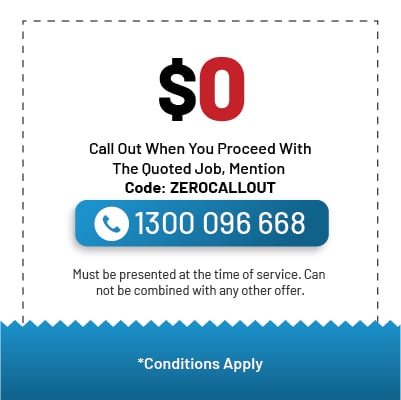
Available Specials





Access and On-Site Logistics Checklist
To keep the visit efficient and avoid delays on arrival, these are the common things that make the biggest difference locally:
Typical Work Scenarios in Malabar
These are some of the typical scenarios we’re called to in suburbs like Malabar (examples only, with no assumptions made about your exact site).
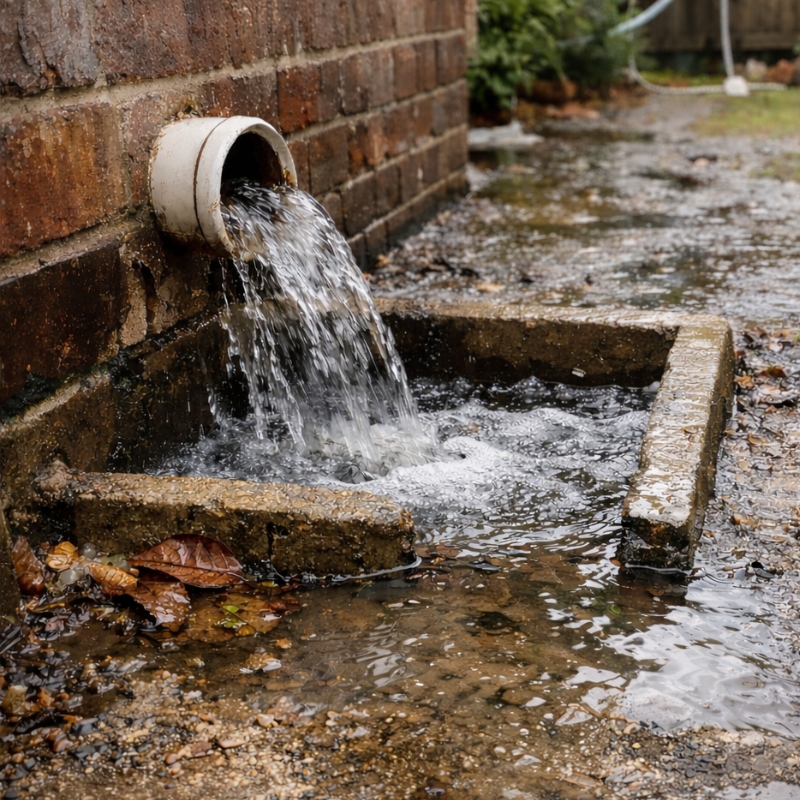
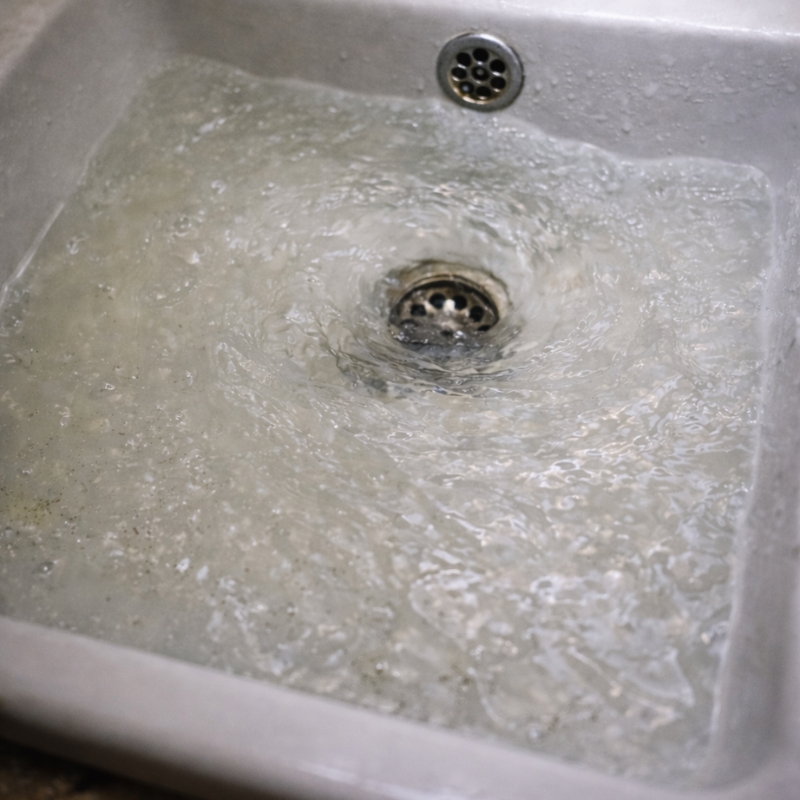
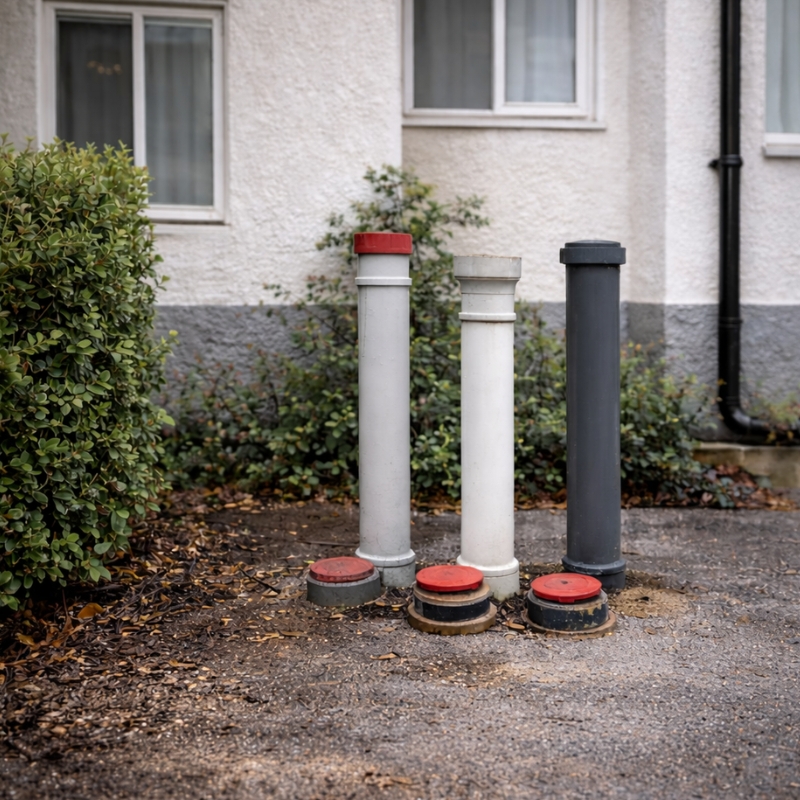
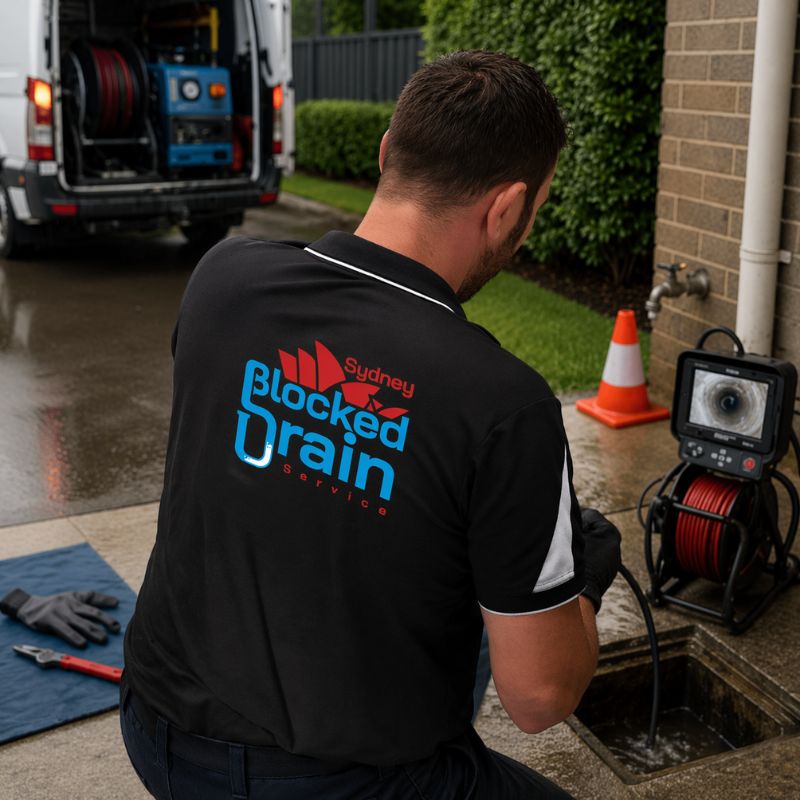
Depending on access and the symptoms on-site, we may use a CCTV drain camera, a high-pressure water jetter, and/or a pipe locator to confirm the issue and avoid guesswork.
Service Area & Logistics — Malabar (2036)
Delivery in suburbs like Malabar is usually straightforward when access is sorted ahead of time. The main constraints we typically plan around are:
- Inspection opening access can be tight (indoors, behind cabinetry, or in shared corridors)
- Strata requirements and the need for a nominated site contact to unlock service areas
- Safety procedures where pedestrians, driveways, or shared access areas are involved
Follow-up can be necessary if inspection reveals a damaged area of pipe or a section that cannot be reached during the same visit without extra approvals
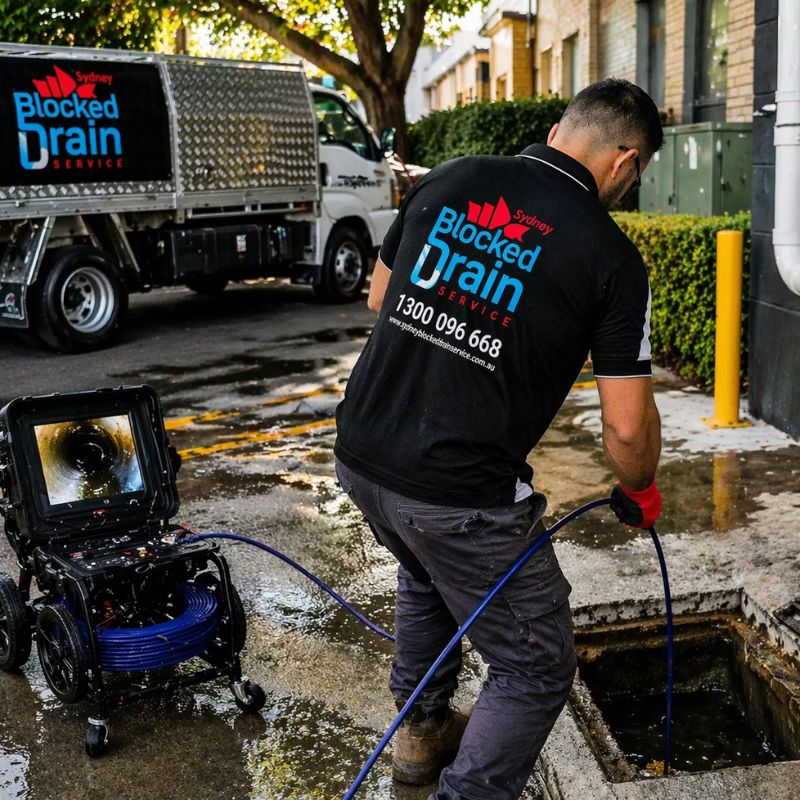
Property Types Commonly Seen Here
We often see a mix of:
- Detached homes and duplexes: access from outside is often more direct, but drainage arrangements may vary where renovations have been done.
- Units/townhouses: entry to the drainage line may be via internal floor wastes, balcony drains, or common-area inspection points.
- Light commercial premises such as small shops or offices: access can depend on opening hours and whether there’s a shared service corridor.
What We Need From You Before Arrival
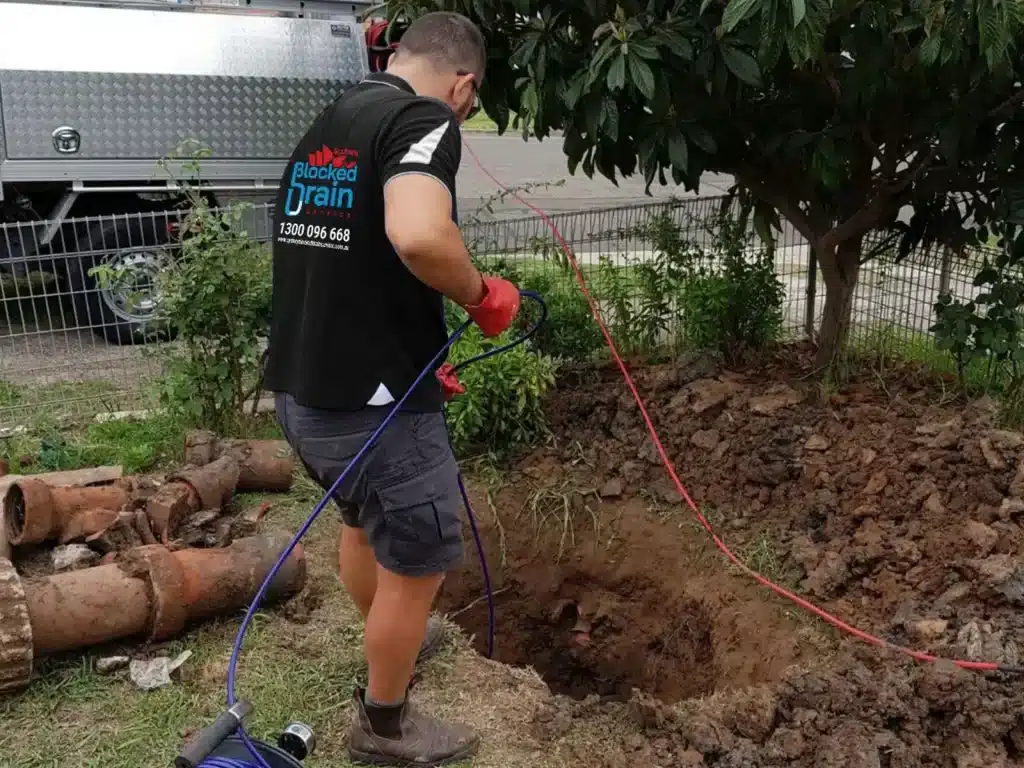
If you’re in a position to, send:
- A quick summary of which fixtures are affected (one sink versus multiple points)
- Any images or videos showing overflow points or affected drains
- Whether you’ve noticed smells, gurgling, or intermittent backups
After the Visit: What You Receive
After the on-site assessment and clearing, we can outline practical next steps such as:
- What we identified (symptoms + likely cause)
- Where the issue seems to be positioned, based on on-site findings
- Any recommended next steps if the condition suggests the issue may recur
Operational Information FAQs
Yes—just let us know the contact for access to common areas and any site rules that apply to contractors.
If access has been arranged through keys, codes, or a site contact, we can attend; otherwise, the visit may need to be rescheduled.
Sometimes. A blockage can often be checked from external points, though units and some site layouts need internal access to confirm which line is affected.
Severe conditions can change safe access or working conditions, especially around external areas. If rescheduling is needed, it’s typically for safety and site practicality.
Ensure affected areas are accessible, pets are secured, and the timing of the issue is noted, such as during washing machine cycles.
Leave “24/7 Emergency Response” in place only if it reflects your real operations. If not, remove it to avoid setting the wrong expectation.
Get a FREE Quote Now