If your property in St Peters is experiencing slow drains, overflow at the gully, or recurring backups, getting the cause confirmed early helps ensure the fix is based on what’s actually happening on-site, particularly in mixed housing areas where access, parking, and pipe layouts vary between homes.
BOOK NOW
We attend homes and small commercial sites across St Peters, with visits planned around practical details including access to inspection points, strata requirements, and how quickly the property can be made ready for a proper assessment.
Blocked Drain Help Across St Peters
Yes—Sydney Blocked Drain Services attends properties in St Peters. The visit generally begins with identifying where the blockage is showing, checking access to the relevant points, and then selecting a clearing approach that keeps disruption to a minimum. Factors such as keys, gates, strata access, and safe parking can affect how soon we can start.
When to call Call for help if water is backing up, multiple fixtures are affected, a sewer smell is present, or the problem keeps returning after a temporary clearing job.
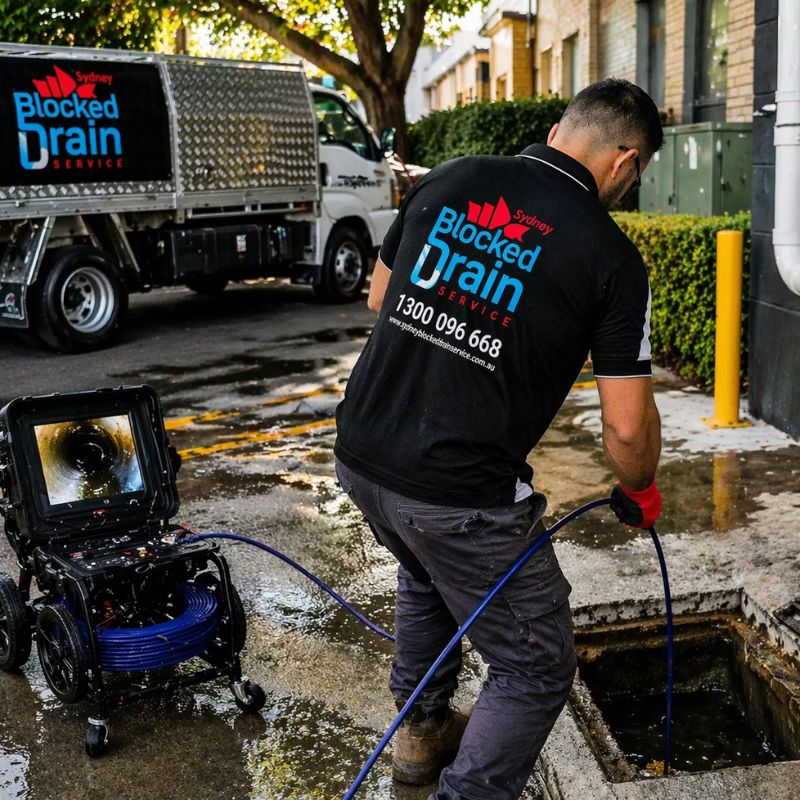
What we’ll do on-site We identify the likely line, inspect accessible sections where possible, often via an inspection opening, and confirm whether clearing, camera inspection, or a follow-up plan is needed next.
Servicing St Peters and Surrounds
We service St Peters as part of our Sydney schedule and can book attendance based on urgency and property availability. Some locations are straightforward, with clear access to an external inspection point, while others need more coordination, especially where access is through a unit, blocked by tenants’ belongings, or located in a shared area.
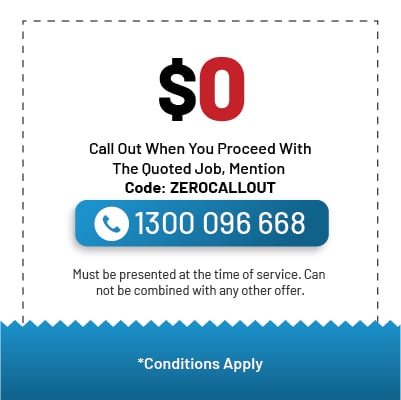
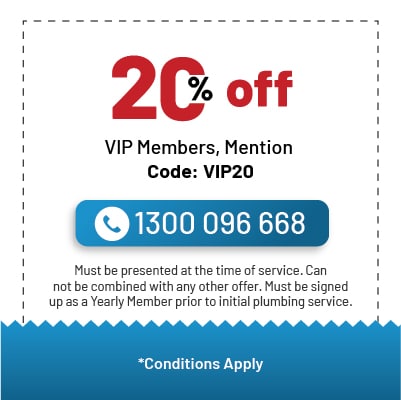
Deals and Specials





On-Site Access Planning Checklist
To keep the visit efficient and avoid delays on arrival, these are the common things that make the biggest difference locally:
Local Work Scenarios in St Peters
These are some of the common situations we attend in suburbs like St Peters (examples only—nothing here assumes the exact conditions at your site):
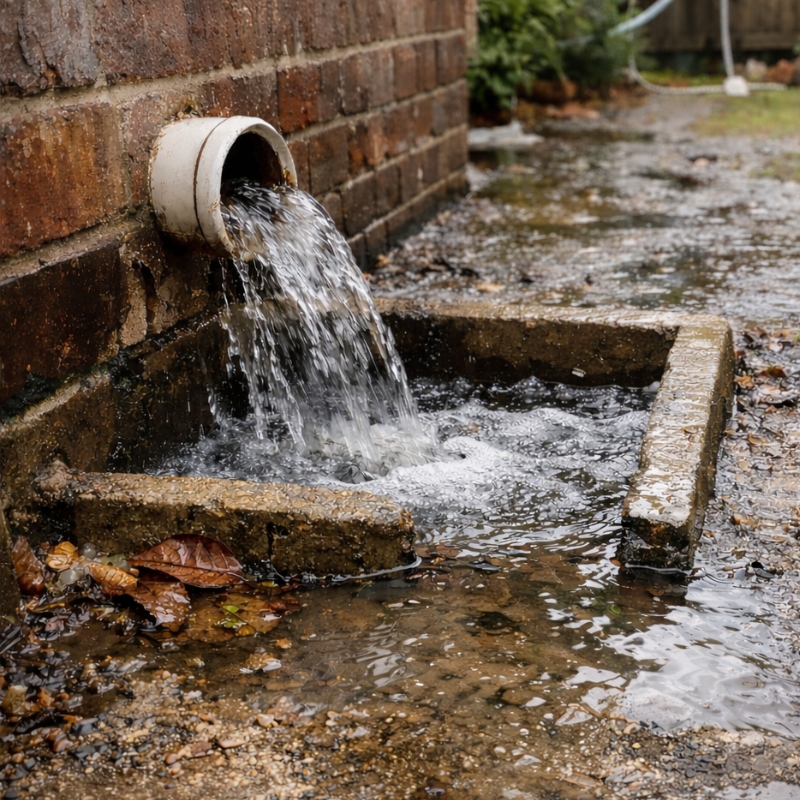
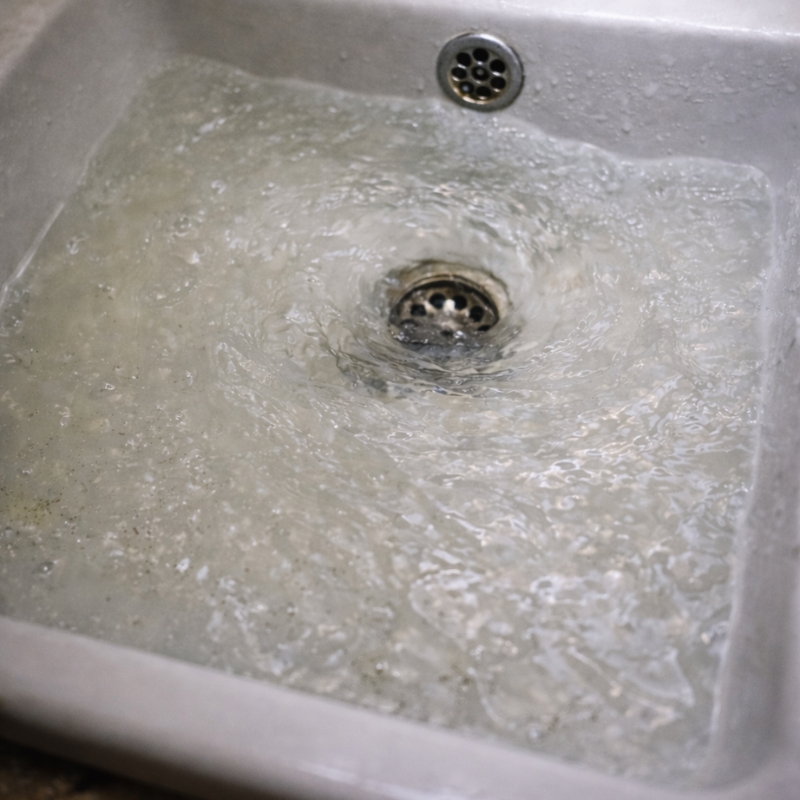
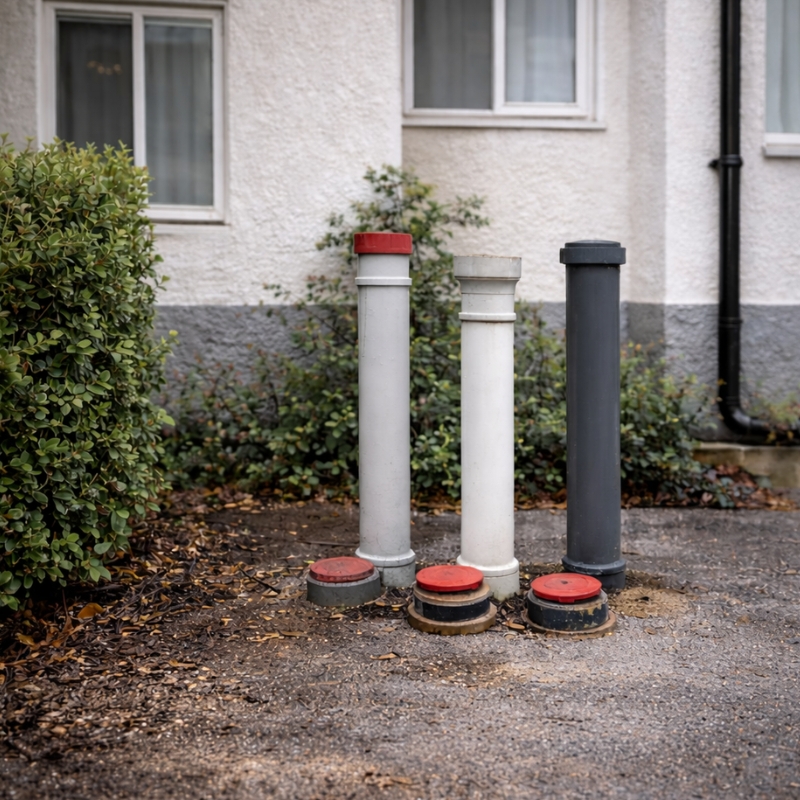
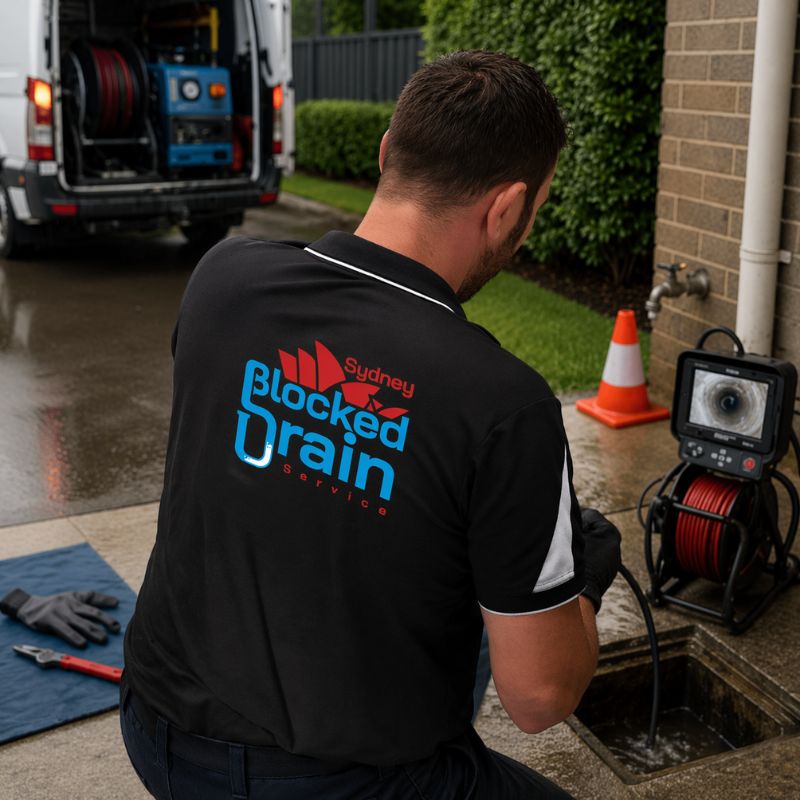
Depending on access and the symptoms on-site, we may use a CCTV drain camera, a high-pressure water jetter, and/or a pipe locator to confirm the issue and avoid guesswork.
Site Coverage & Logistics — St Peters (2044)
When access is confirmed before the visit, local delivery is usually smooth. The main constraints we tend to plan around in suburbs like St Peters are:
- Inspection openings with tight access (indoors, behind cabinetry, or in shared corridors)
- Building rules and the need for a site contact to unlock service areas
- Site safety controls where pedestrians, driveways, or shared entries are involved
A follow-up may be required if the inspection identifies a damaged pipe section or an area that cannot be reached on the same visit without further approvals
Typical Local Property Types
We typically service a range of:
- Detached homes and duplexes: external access is often more straightforward, but drainage layouts can change after renovations.
- Units and townhouses: drainage access may be available through internal floor wastes, balcony drains, or shared inspection areas.
- Light commercial premises such as small shops or offices: access can depend on opening hours and whether there’s a shared service corridor.
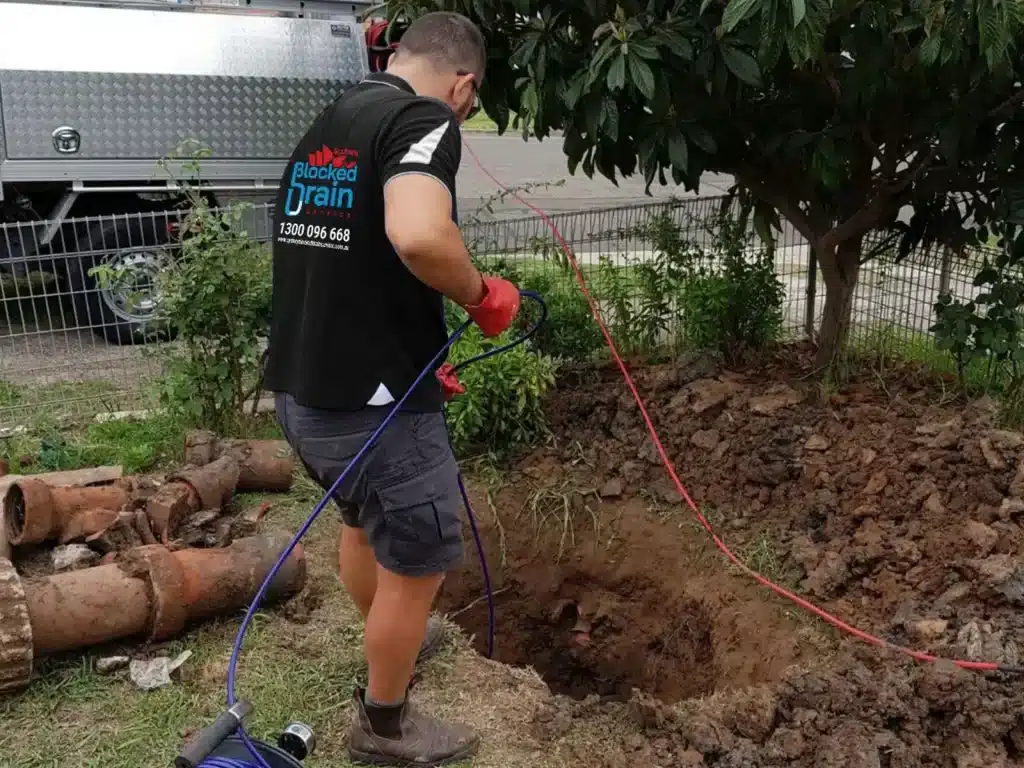
What We Need Before the Visit
Please send the following if you can:
- A short detail on which fixtures are affected (one sink or more than one point)
- Any photos or videos that show overflow points or affected drains
- Whether there have been signs of odour, gurgling, or intermittent backups
Following the Visit: What You’ll Receive
After the on-site assessment/clearing, we can provide practical next steps such as:
- What we observed (symptoms + likely cause)
- Likely issue location (as best confirmed on-site)
- Any follow-up recommendations if the condition shows a recurring risk
Operational Frequently Asked Questions
Yes—just share who can provide access to common areas and any building conditions that apply to contractor attendance.
We can attend if access is organised with keys, codes, or a site contact. If not, the visit may need to be rescheduled.
Sometimes. External inspection points are enough in many cases, but some unit properties and layouts require internal access to verify which line is affected.
Severe conditions can change safe access or working conditions, especially around external areas. If rescheduling is needed, it’s typically for safety and site practicality.
Ensure affected areas are accessible, pets are secured, and the timing of the issue is noted, such as during washing machine cycles.
If “24/7 Emergency Response” accurately reflects your operations, you can leave this in place. If not, remove it so you do not overpromise.
Get a FREE Quote Now