For slow drains, gully overflow, or recurring sewage backups in Telopea, the smartest move is to confirm the cause early so the work carried out matches the issue at the property, especially in mixed housing areas where access, parking, and pipe layout change from site to site.
Request a Booking Now
Across Telopea, we attend residential and small commercial jobs and schedule visits based on real on-site factors like access to inspection points, whether the property is under strata, and how quickly it can be prepared for a full assessment.
Providing Blocked Drain Services Throughout Telopea
Yes—Sydney Blocked Drain Services services Telopea. A standard visit usually begins by identifying where the blockage is showing up, whether at fixtures, the gully, or the main line, then checking access points and choosing the least disruptive way to clear it. Access issues such as keys, gates, strata requirements, and safe parking can influence how quickly work starts.
When to call It is best to call when water starts backing up, several fixtures are affected, there is a sewer smell, or the issue keeps returning after only temporary clearing.
What we’ll do on-site We’ll pinpoint the likely line, inspect it where possible, often through an inspection opening, and confirm whether clearing, camera inspection, or a follow-up plan is the most suitable next step.
Coverage for Telopea Services
Telopea is covered as part of our Sydney run, and we can schedule attendance according to urgency and site availability. Some properties are easy to assess with open access to an external inspection point, while others need extra coordination, especially where the only entry is inside a unit, behind tenants’ belongings, or within a common area.
Current Specials





On-Site Access Planning Checklist
To keep the visit efficient and avoid delays on arrival, these are the common things that make the biggest difference locally:
Common Property Scenarios in Telopea
These are some of the typical scenarios we’re called to in suburbs like Telopea (examples only, with no assumptions made about your exact site).
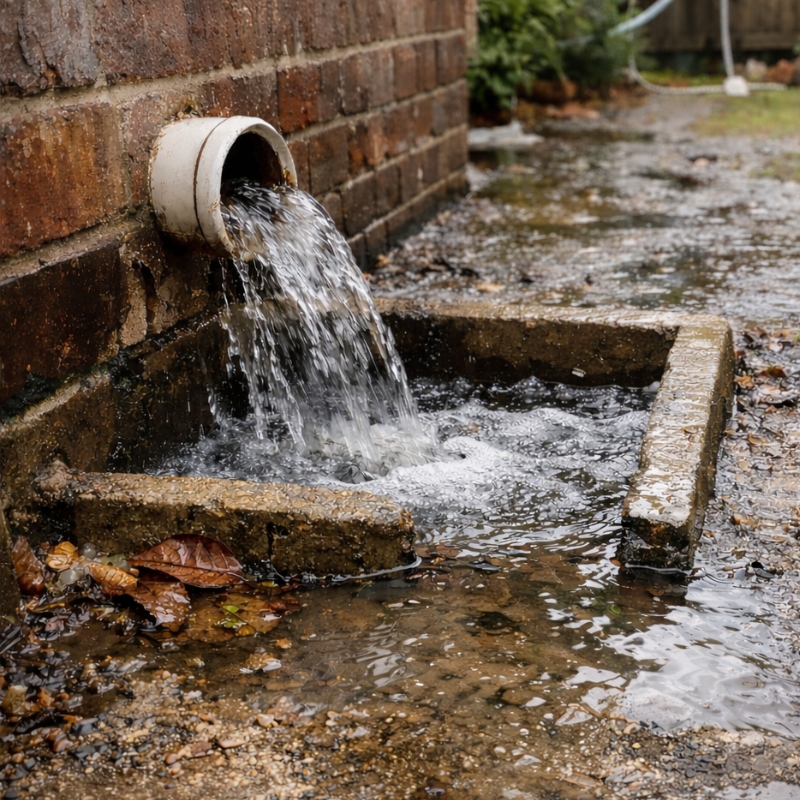
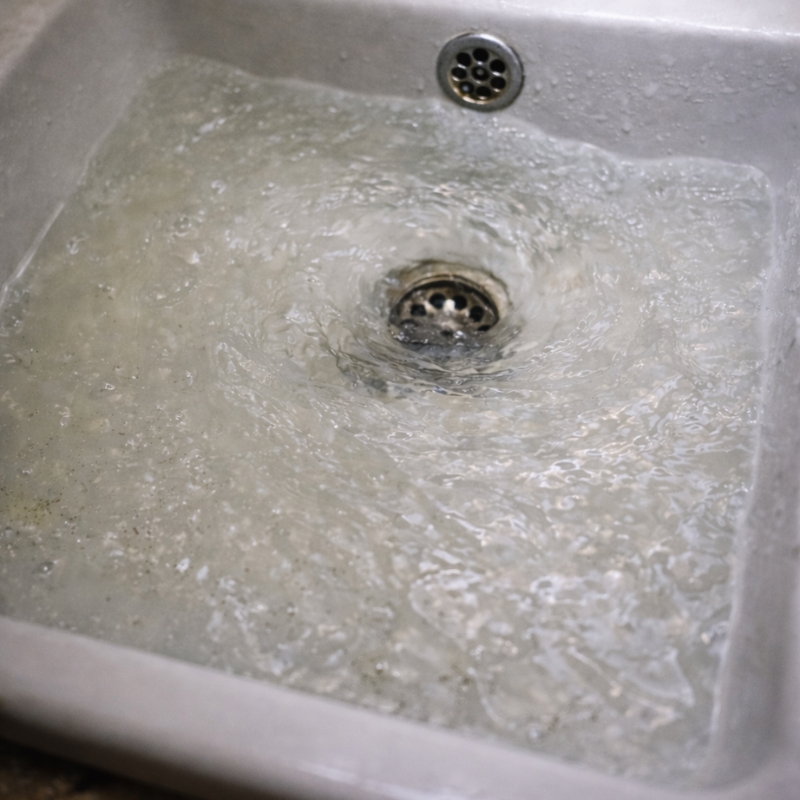
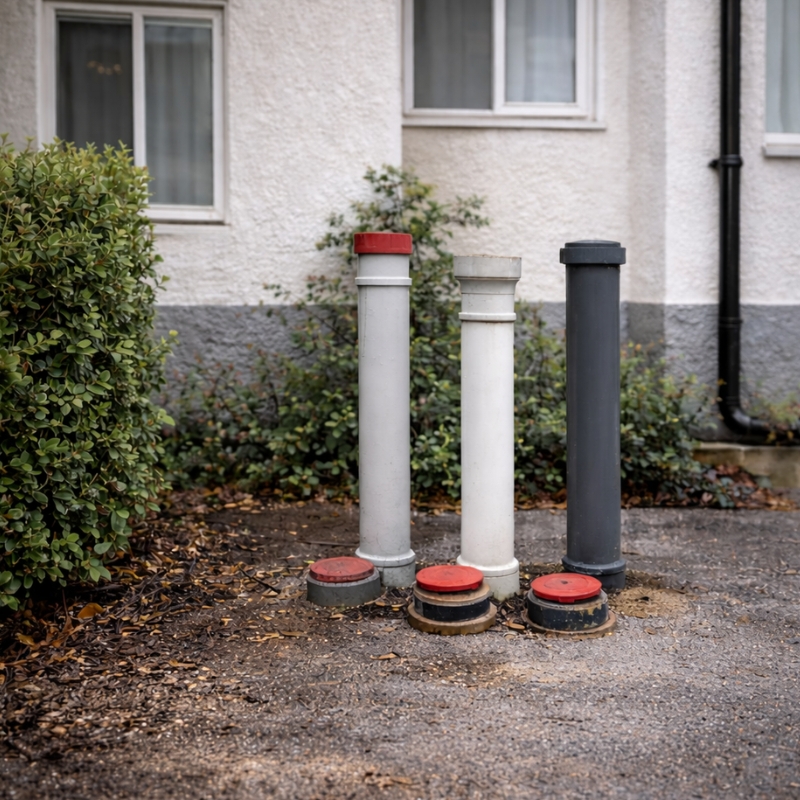
Subject to access and the symptoms involved, we may use a CCTV drain camera, a high-pressure water jetter, and/or a pipe locator to identify the issue properly and reduce guesswork.
Coverage, Access & Logistics — Telopea (2117)
Local delivery usually runs smoothly when access is confirmed in advance. The main constraints we plan around in suburbs like Telopea are generally:
- Challenging access to inspection openings (inside, behind cabinetry, or in shared corridors)
- Body corporate rules and the need for a site contact to open service areas
- Safety steps where pedestrians, driveways, or shared entries are part of the site
Follow-up needs if inspection shows a damaged section of pipe or a location that can’t be reached the same visit without additional approvals
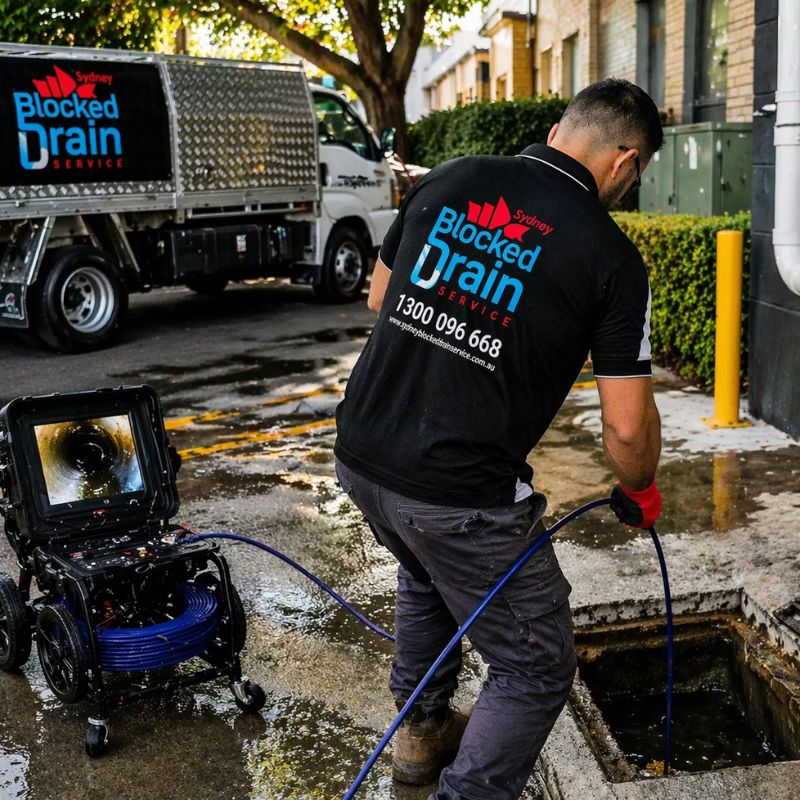
Property Types We Often Attend Here
We commonly work with a mix of:
- Detached homes and duplexes: external access is often less complicated, though renovations can lead to different drainage layouts.
- Units/townhouses: access often comes through internal floor wastes, balcony drains, or inspection points in common areas.
- Light commercial premises such as small shops and offices: access can vary based on trading hours and whether there’s a shared service corridor.
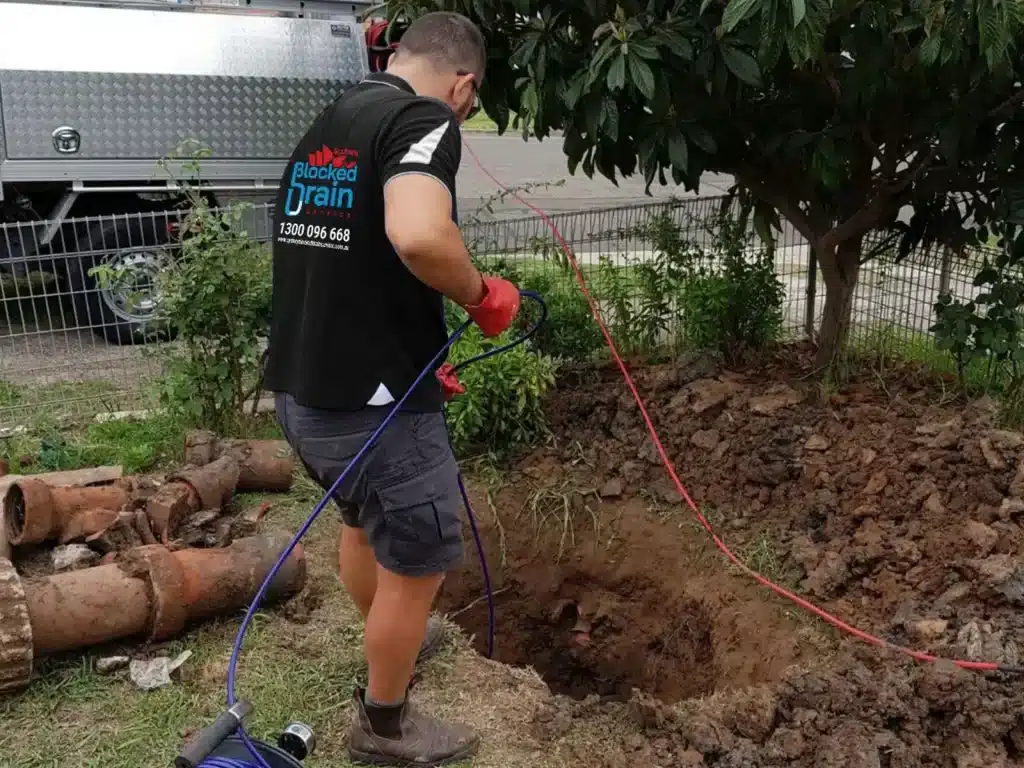
Information We Need From You Before We Attend
If available, send through:
- A brief note on which fixtures are affected (one sink or multiple points)
- Photos or videos of the overflow points or affected drains
- Whether you have observed odour, gurgling, or stop-start backups
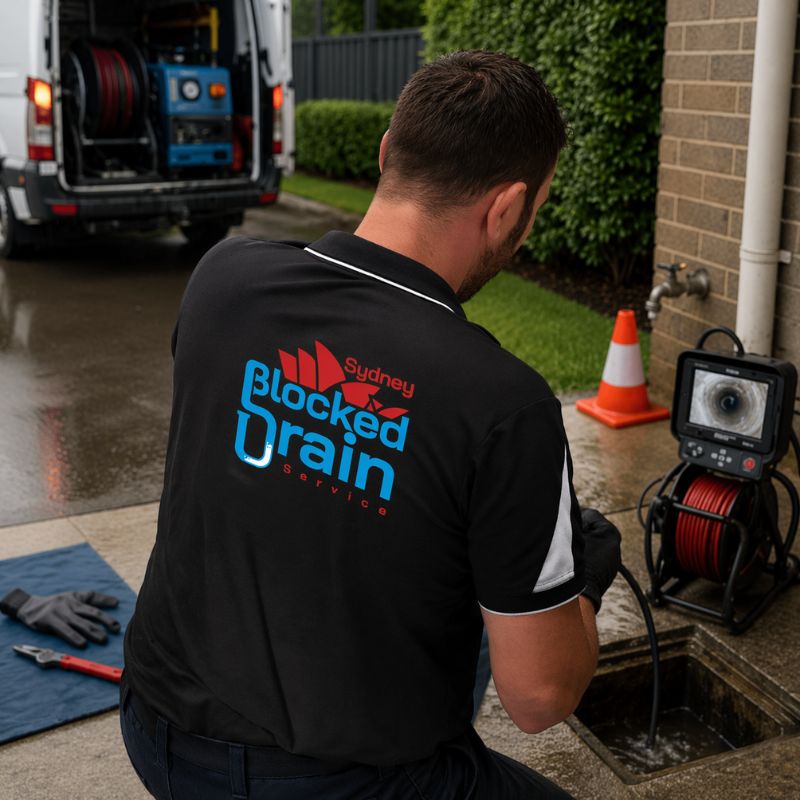
What You’ll Get After the Visit
After completing the on-site assessment or clearing, we can talk you through practical next steps such as:
- What was found (symptoms + likely cause)
- Likely issue location (as best confirmed on-site)
- Any recommended follow-up actions if the condition points to a recurring risk
Day-to-Day Operational FAQs
Yes—just let us know who handles access to common areas and what building rules contractors need to follow.
If access can be provided through keys, codes, or a site contact, we can attend. Otherwise, the visit may need to be rescheduled.
Sometimes. A lot of blockages can be assessed externally, though unit sites and certain property layouts require internal access to identify the affected line.
Poor conditions can make access or on-site work less safe, especially in outdoor areas. If rescheduling becomes necessary, it is generally for safety and site practicality.
Ensure affected areas are accessible, pets are secured, and the timing of the issue is noted, such as during washing machine cycles.
If your “24/7 Emergency Response” is accurate for your operations, you can keep this. If not, remove it to avoid overpromising.
Get a FREE Quote Now