Diagnose
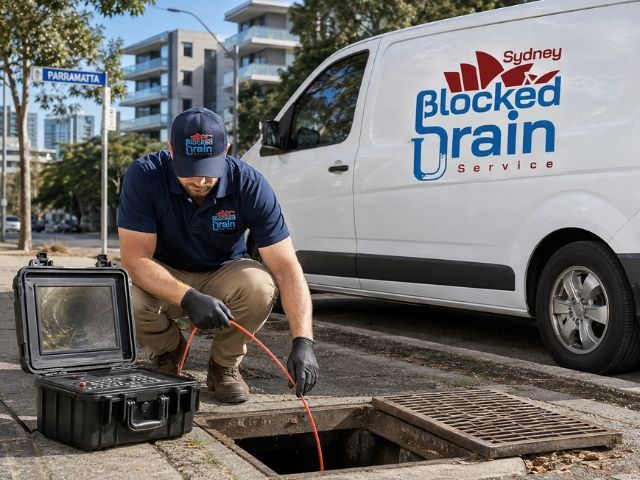
CCTV drain camera
A waterproof camera runs the length of the line and pinpoints the cause, the depth and the exact position of the fault.
CCTV drain inspection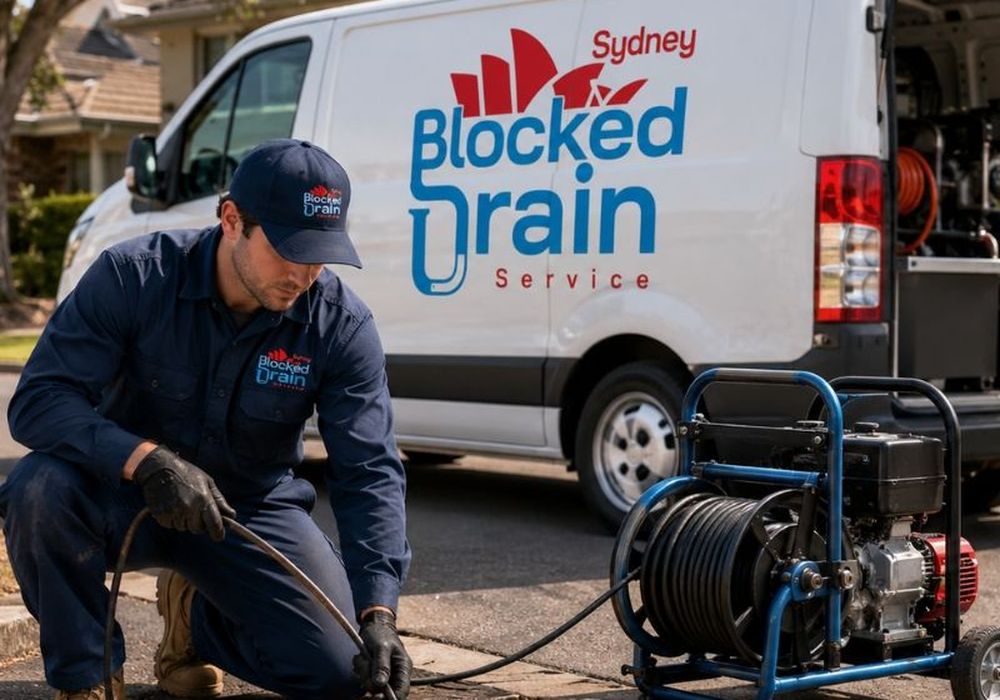
Licensed drain clearing for homes, businesses and strata buildings right across Sydney, backed by 15+ years on Sydney drains. We put a camera down the line to find the real cause, clear the blockage on the spot, and there is never a call-out fee. Call any hour, or send your details and we will come straight back to you with a price.
Covering 19 Sydney coverage areas, from the CBD and Inner West through to Parramatta, Blacktown, the Hills and the Eastern Suburbs.
$69
Send your details and we will call you straight back.
Pick the drain giving you trouble and we will take you straight to how it gets diagnosed, cleared and, if the pipe is damaged, repaired.
When a drain backs up you want it flowing again quickly, and you want to know it will stay that way. We are a Sydney blocked drain and pipe relining team working across homes, businesses and strata buildings, and drains are the whole job rather than a sideline.
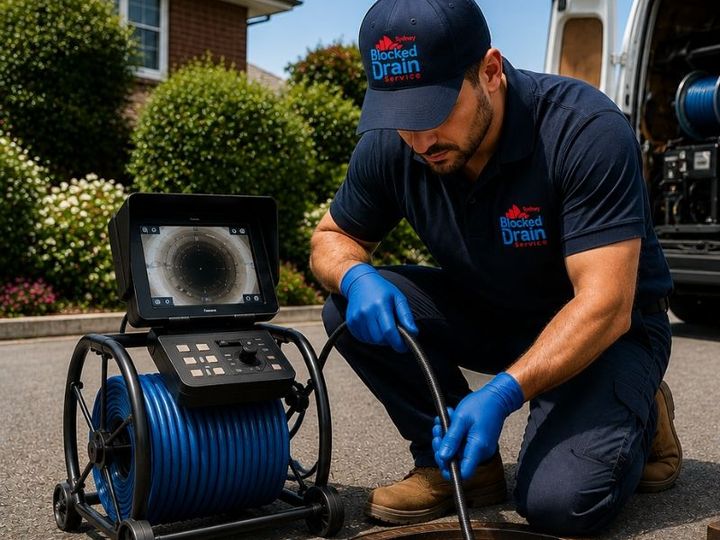
Every job starts with a proper diagnosis. A CCTV camera goes down the line so we can see exactly what is causing the blockage and where it sits, then we clear it with an electric eel or a high-pressure water jetter. If the pipe itself is cracked, sagging or full of roots, we can reline it from the inside with no digging, or replace the failed section when that is the sounder call.
That order matters. Clearing a blockage in a broken pipe buys you a few weeks. Finding the fault first is what stops the same drain blocking again next season, and it is why we camera-check the line before and after the work rather than only at the start.
Different warning signs point to very different problems, and they are not all equally urgent. Each card below is colour-coded by how quickly it needs attention.
An overflow relief gully spilling outside, or water rising out of a floor waste, usually means the main line is blocked rather than the fixture. This one is urgent because the next flush has nowhere to go.
Get emergency drain helpWhen the toilet, shower and laundry all back up together, the fault is in the shared sewer line rather than any one fixture. That needs the main line cleared, not a plunger.
Blocked sewer helpA drain that blocks every few months is telling you the pipe is damaged, not dirty. Tree roots in older clay lines are the usual culprit in Sydney, and clearing alone will not stop it.
Tree roots and pipe damageSewer odour around the yard or inside can mean a dry trap, a build-up of waste in the line, or a cracked pipe letting gas escape into the soil. A camera tells the three apart quickly.
Book a CCTV inspectionA sink or shower that empties slowly is a partial blockage building up, normally grease and food waste in the kitchen or hair and soap scum in the bathroom. This is the stage where it is simplest to clear, before it closes over completely.
See drain cleaning optionsGurgling from a sink or toilet is air being pulled past a restriction further down the line. It is an early warning that the blockage is downstream of the fixture, not in the trap.
Understand blocked drains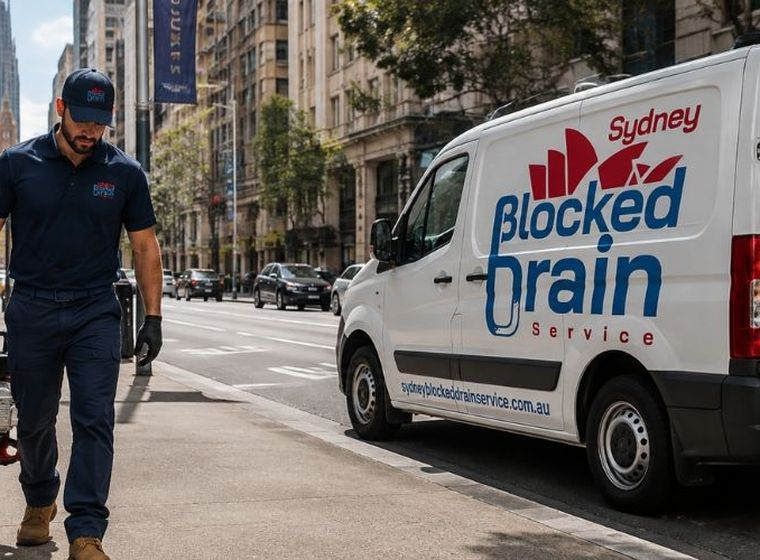
Tell us what the drain is doing and we will get a licensed Sydney plumber on the way. A camera goes down the line so you see the real cause, you get the price before anything starts, and there is never a call-out fee.
From a one-off blocked toilet through to trenchless pipe relining, the full range of drain work sits with one licensed team. Red marks the emergency routes, blue the clearing and diagnostic work, navy the structural repair and property side.
The starting point for any blockage. What causes drains to block in Sydney, how each type is cleared, and what it costs to put right.
Blocked drain servicesOverflowing drains, sewage backing up and blocked toilets that cannot wait. We take calls through the night, on weekends and on public holidays.
24 hour drain helpWhen the main line is the problem, several fixtures go at once. We clear the sewer, camera the line and show you why it happened.
Sewer blockage helpFast clearing of blocked and overflowing toilets for homes, offices and strata buildings, including shared lines that affect several units.
Blocked toilet repairsYard pits, downpipes and stormwater lines that flood in heavy rain, cleared and inspected. Collapsed sections replaced where needed.
Stormwater drain clearingScheduled cleaning for drains with a history of blocking, so a recurring problem becomes a planned visit instead of an emergency.
Drain cleaning in SydneyWe cut invading roots out of the line and seal the opening the roots came through.
Tree root drain repairCafes, restaurants, factories, offices and body corporate properties, on both scheduled maintenance and emergency call-outs.
Commercial drain cleaningGeneral drain repairs and preventative pipe upkeep to keep drains flowing right through the year, for homes and managed properties.
Drain repairs & maintenanceWhich tool suits your drain depends on what the camera finds. Here is what each one is for, so the quote makes sense when you get it.
A waterproof camera runs the length of the line and pinpoints the cause, the depth and the exact position of the fault.
CCTV drain inspection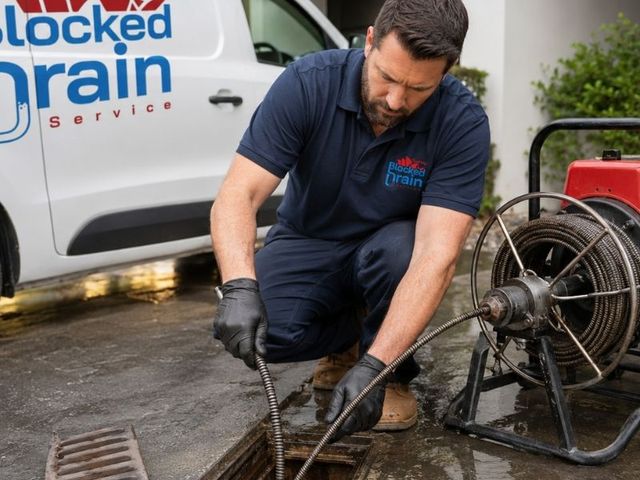
A motorised cutting head that chews through hair, grease and fine root matter in sinks, floor wastes and sewer lines.
Electric eel drain cleaning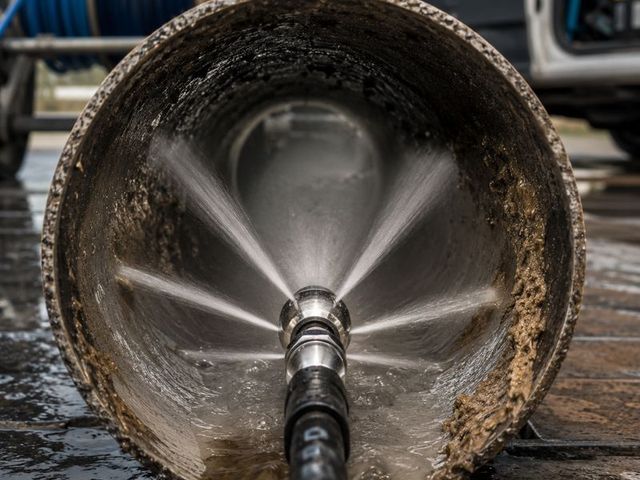
A hydro-jet blasts the blockage apart and scours grease, scale and sludge off the pipe wall, then flushes it all through.
High pressure drain jetting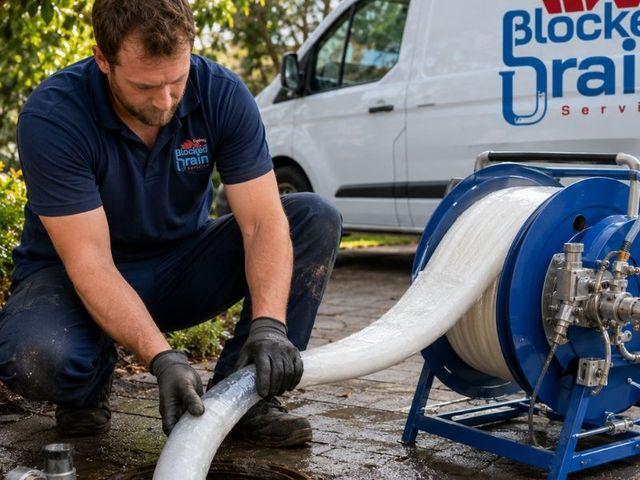
A resin liner cures inside the old pipe and rebuilds it from within, so a cracked or root-damaged line is fixed without digging.
Pipe reliningSome blockages can wait for a booking. An overflowing gully, sewage coming up through a floor waste, or the only toilet in the house out of action cannot. Those are the calls we keep capacity for, and the phone is answered around the clock, including nights, weekends and public holidays, and we aim to reach most Sydney jobs within 60 minutes.
Tell us what you can see when you ring and we will talk you through what to stop using straight away so the problem does not spread while we are on the way.
Four steps along the line, so you know what is happening and what it will cost before anything starts.
A waterproof camera goes down the drain to find the exact cause, depth and location of the blockage.
You see what the camera sees and get a fixed price for the work. Nothing begins until you approve it.
An electric eel or high-pressure jetter clears the line then and there, and we camera-check the result.
Where the pipe is cracked or root-damaged we reline or replace that section, so the same drain stops blocking.
A blocked drain in a family home and one in a restaurant kitchen need different handling. Both are our work.
Older Sydney homes with clay pipes, tree roots and drains that have blocked before.
Clear reporting and invoicing so the right party knows what was found and what was done.
Grease-heavy kitchen lines kept flowing, with after-hours work to protect trading time.
Shared drain and sewer lines across multiple units, one-off or on an ongoing arrangement.
We handle scheduled drain cleaning and emergency call-outs for strata managers, body corporates and commercial kitchens across Sydney, with reporting you can pass straight to an owner or a landlord.
NSW plumbing licence 306733C and insurance in place on every job.
It costs nothing to get a licensed plumber to your door.
Nights, weekends and public holidays for genuine emergencies, and we aim to reach most Sydney jobs within 60 minutes.
You approve the price before any work begins.
We diagnose the real cause instead of guessing, and show you the footage.
Relining, replacement and root removal are ours as well, so the diagnosis and the fix stay together.
Start with the part of Sydney you are in. Each area opens onto local response information and the suburbs listed under it.
We work across the Sydney metropolitan area, organised by council so you land on the page closest to your street rather than a generic city page.
Not sure which area you fall under, or cannot see your suburb? Ring us and we will tell you straight away whether we cover your address.
Browse every area we serveWe run a 24 hour service and keep capacity aside for genuine emergencies, so ring us and we will tell you honestly when we can be there. For an overflow or a sewage backup, calling (02) 8960 0868 is always faster than an online booking.
Correct. There is no call-out fee to get a licensed plumber to your property and have the drain assessed. Once we have looked at it you get an upfront price for the work, and you decide before anything starts.
Four causes account for most of them: tree roots getting into older clay pipes, grease and food waste building up in kitchen lines, wet wipes and sanitary items in the sewer, and general debris and silt over time. A CCTV drain inspection tells us which one it is so we treat the cause rather than the symptom.
If the pipe is structurally sound, a proper clear should last. If the camera shows cracks, a sag or root intrusion, clearing on its own is temporary, and we will talk you through relining or replacing that section so it stops returning.
Yes. We handle commercial & strata drain cleaning alongside homes, including shared sewer lines across multiple units and scheduled maintenance for cafes, restaurants and larger properties where a blocked drain means downtime.
We cover the Sydney metropolitan area across 19 coverage areas, from the CBD and Inner West through to Parramatta, Blacktown, the Hills, the North Shore, the Eastern Suburbs and the south. Pick your area above, or browse every suburb we service.
Talk to a licensed Sydney drain plumber now. No call-out fee, upfront pricing, and help available 24 hours a day.