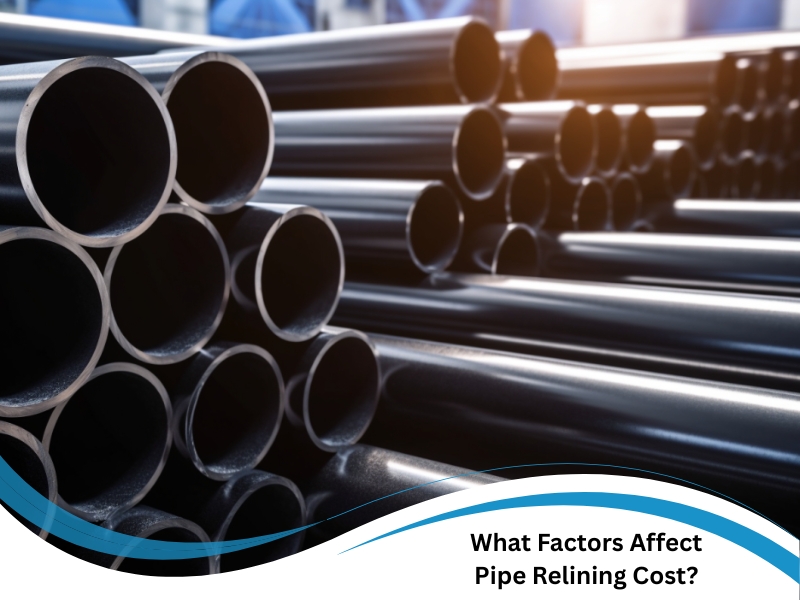
Pipes beneath your home don’t last forever, and when they start to crack or leak, repairs can quickly add up. The factors that affect pipe relining cost include pipe length, diameter, material, and the extent of existing damage. These details determine how complex the relining process will be and what equipment is required. This article explores the main elements that shape the total cost and helps you understand how to manage expenses without compromising quality.
Why do drain or sewer issues impact pipe relining cost?
Drain or sewer problems affect the total pipe relining cost because they often signal deeper structural issues that take longer to fix. When pipes are blocked, collapsed, or filled with debris, it’s harder for a plumber to insert and cure the liner properly, which increases labour time and materials used. Here are the key reasons these issues influence your bill:
- Blockages require additional cleaning, and technicians must flush the line before relining can even begin.
- Collapsed sections demand excavation or partial replacement, adding to both time and equipment needs.
- Excess moisture from backed-up drains weakens the surface, making adhesion less effective and increasing material use.
- Hidden root intrusions from trees often damage pipes beyond standard repair, requiring specialised cutting tools.
When these issues go unchecked, the project stretches longer and costs rise. If you suspect early signs of damage, it’s worth looking into trusted pipe relining solutions from experienced local specialists who can assess and fix the issue before it escalates. In short, drain and sewer issues set the stage for higher expenses because they change the scope of work and the precision needed for a quality finish.
How can old or damaged pipes increase the pipe relining cost?
Age and deterioration play a huge part in cost because fragile pipes are trickier to handle and may crack under pressure during cleaning or relining. Older materials, like clay or cast iron, are harder to prepare than PVC. Here are the typical factors that make old pipes more expensive to reline:
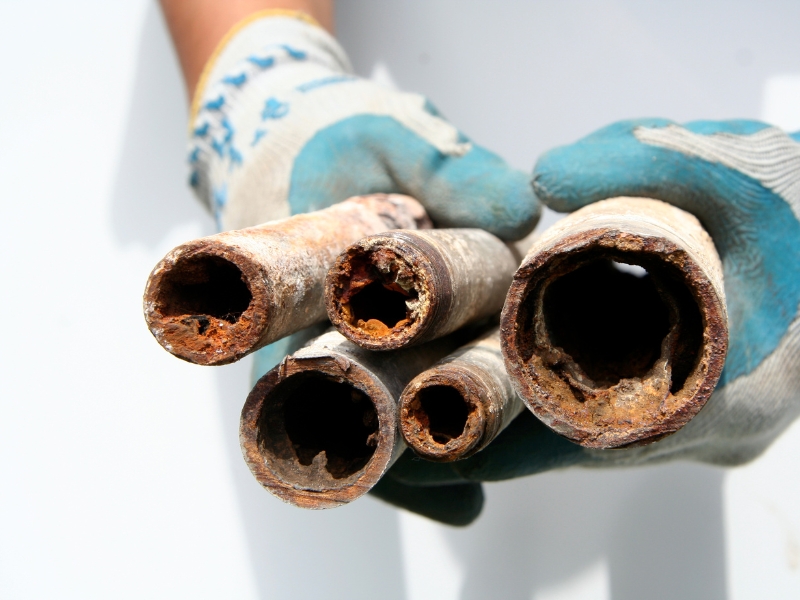
- Corroded interiors reduce liner adhesion, leading to extra preparation and cleaning steps.
- Thin pipe walls break easily, forcing technicians to move more slowly and use low-pressure equipment.
- Uneven surfaces require thicker epoxy liners, which use more material and longer curing times.
- Limited access in heritage homes increases labour time and the need for specialised tools.
These factors combine to raise both material and labour costs. Older systems often need partial reinforcement before relining begins, ensuring the new liner bonds properly. Maintaining ageing pipes regularly keeps them serviceable for longer and avoids unexpected expenses.
Where do most homeowners go wrong when estimating costs?
Many homeowners miscalculate their pipe relining cost because they only consider visible damage and overlook underlying issues such as pipe layout or property access. Cost surprises usually happen when inspection results differ from what’s expected. Here are the common mistakes made when budgeting:
- Assuming all pipes have equal wear, even though bends and junctions deteriorate faster.
- Ignoring property access limitations, such as driveways or gardens, that complicate equipment setup.
- Underestimating preparation work, which may include CCTV inspections or jet blasting.
- Comparing quotes without checking inclusions results in misleading cost differences.
Such oversights can easily add hundreds to the bill. One effective way to make an accurate comparison is by understanding the difference between pipe relining and pipe replacement. It’s not about picking the cheapest option but the most sustainable one for your system’s condition. When you account for access, damage level, and materials, your estimate becomes much more realistic and easier to plan for.
Could ignoring small cracks lead to a higher relining bill later?
Small cracks often develop into big structural faults, making future repairs significantly more expensive. Delaying minor maintenance may seem harmless, but those little leaks steadily erode pipe walls and surrounding soil. Here are the ways neglect raises your eventual cost:
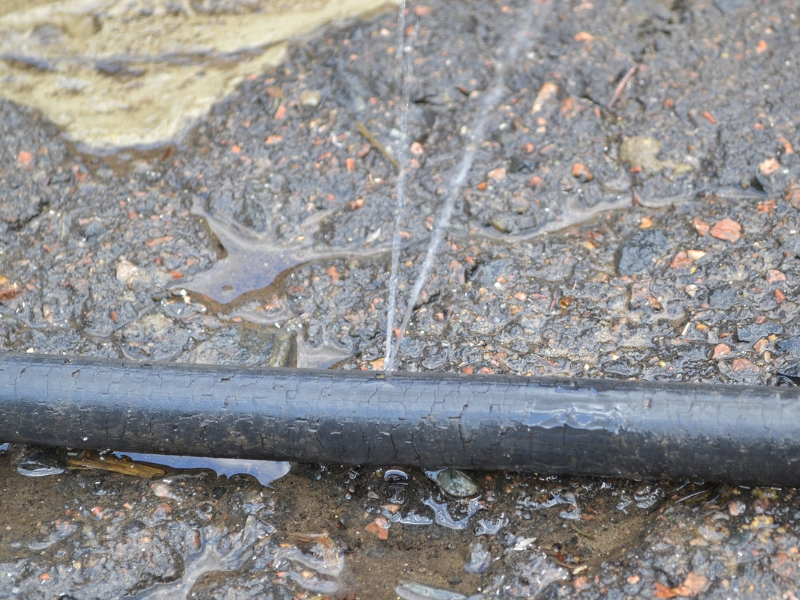
- Moisture seeps into the surrounding soil, weakening foundations and requiring extra excavation.
- Tiny leaks expand under water pressure, demanding a larger liner or even partial replacement later.
- Continuous blockages from debris build-up mean more cleaning before relining can start.
- Water loss through unnoticed leaks drives up your utility bills and long-term water damage costs.
Even small defects can snowball if left alone. An early camera inspection can reveal the extent of damage and prevent expensive surprises. Preventive maintenance is always cheaper than crisis repairs, especially for underground pipes.
Which factors help reduce the pipe relining cost effectively?
Reducing pipe relining costs effectively starts with early intervention, accessible pipe layouts, and choosing long-term solutions that avoid recurring issues. Avoiding damage escalation is key. Here are the practical ways to bring your costs down:
- Get pipes inspected regularly to catch issues early before they require major work.
- Reline only the affected section rather than the entire system if damage is localised.
- Maintain surrounding landscaping to avoid blockages or digging costs from root damage.
- Choose trenchless solutions that minimise labour and property restoration fees.
Below is a breakdown of common cost factors and how they can be managed:
| Dental Condition | Early Signs Without X-Rays | Consequences of Delay | Timeframe for Progression |
| Tooth decay | Often invisible | Nerve exposure, infection, and extraction | Weeks to months |
| Gum disease | Mild inflammation | Bone loss, loose teeth | Several months to years |
| Jaw fracture | Persistent pain | Misalignment, bite issues | Immediate to short-term |
| Impacted wisdom tooth | Pressure or crowding | Tooth shifting, cysts | Gradual, over months or years |
Reducing pipe relining costs relies on early detection and smart planning. By staying proactive with inspections and choosing efficient repair methods, you can prevent small issues from turning into major expenses.
Can professional inspection help reduce pipe relining cost?
Professional inspection lowers pipe relining cost because it identifies hidden problems before work begins, preventing delays and unnecessary materials. Skilled plumbers use CCTV cameras to assess depth, diameter, and blockage type. Here are the ways professional inspection keeps costs down:
- Accurate diagnosis avoids over-quoting, ensuring you pay for what’s actually needed.
- Targeted repair plans save materials, focusing on the exact sections requiring attention.
- Visual evidence supports better planning, letting you budget accurately from the start.
- Early detection prevents rework, reducing both labour and disruption.
Professional inspection also reveals how to identify signs of leaking or damaged pipes, giving you valuable insight into maintenance routines. By catching wear early, you save money, time, and stress in the long run.
Final thoughts on managing pipe relining cost effectively
Managing your pipe relining cost effectively means acting before problems escalate, trusting qualified technicians, and planning regular inspections. Cost control comes from awareness — knowing when to inspect, repair, and maintain. For reliable repairs that stand the test of time, see how Sydney Blocked Drain Service ensures durable and cost-effective repairs.