Blocked drains are one of the most common and frustrating plumbing issues faced by Sydney homeowners. From slow-draining sinks to recurring sewer backups, these problems often point to deeper issues inside ageing underground pipes. Pipe Relining has become one of the most effective modern solutions for resolving blocked drains without the mess and disruption of excavation.
In Sydney, where many properties sit on older clay or cast-iron pipe systems and tree roots are widespread, pipe relining offers a long-term, trenchless alternative to traditional pipe replacement. This guide explains exactly how pipe relining works for blocked drains, when it’s the best option, and when other solutions may be more suitable.
What Is Pipe Relining and Why Is It Used for Blocked Drains
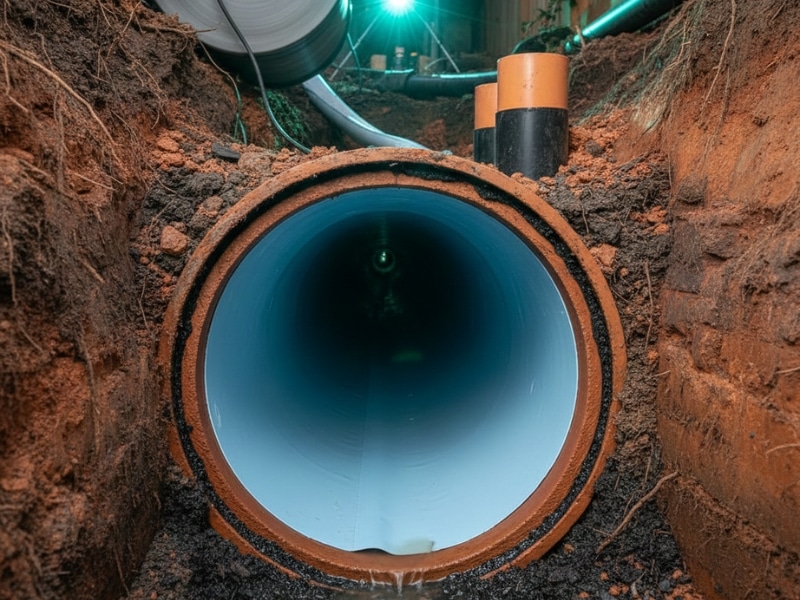
Pipe relining is a trenchless pipe repair method that restores damaged or deteriorated pipes from the inside. Instead of digging up your yard, driveway, or concrete slab, plumbers install a new lining within the existing pipe, effectively creating a pipe inside a pipe.
How Pipe Relining Fixes Blocked Drains
Blocked drains often occur due to:
• Tree root intrusion
• Cracked or collapsed pipes
• Pipe misalignment
• Severe corrosion or scale build-up
Pipe relining addresses these underlying structural problems rather than just clearing the blockage temporarily. Once the lining cures, it seals cracks, joints, and entry points where roots or debris previously entered.
Why Pipe Relining Is Popular in Sydney
Sydney homes commonly experience blocked drains due to:
• Mature trees with aggressive root systems
• Reactive soils that cause ground movement
• Older sewer infrastructure in established suburbs
Pipe relining is ideal in these conditions because it strengthens the existing pipe while preventing future blockages.
Common Causes of Blocked Drains in Sydney Properties
Understanding why drains block helps determine whether pipe relining is the right solution.
Tree Root Intrusion
Tree roots naturally seek moisture and often penetrate tiny cracks in underground pipes. Over time, roots expand and trap debris, causing repeated blockages.
Cracked or Broken Pipes
Ageing pipes made from clay or cast iron are prone to cracking. These cracks allow soil and debris to enter, restricting water flow.
Pipe Misalignment or Collapse
Ground movement, heavy traffic, or construction can cause pipes to shift or partially collapse, leading to chronic drainage issues.
Grease and Waste Build-Up
In kitchen drains, fats, oils, and food waste can harden and restrict flow, especially when combined with existing pipe damage.
How Pipe Relining Works Step by Step
Pipe relining is a precise process that requires professional equipment and expertise.
Step 1: CCTV Drain Inspection
A high-resolution CCTV camera is inserted into the drain to identify:
• The exact cause of the blockage
• The condition of the pipe
• Whether pipe relining is suitable
This inspection ensures the problem is structural rather than a simple surface blockage.
Step 2: Clearing the Blockage
Before relining, the pipe must be thoroughly cleaned using:
• High-pressure water jetting
• Mechanical root cutting
This restores the pipe to its original internal diameter.
Step 3: Liner Preparation
A flexible liner is coated with a specialised epoxy resin designed for sewer and drainage pipes. The resin hardens to form a durable, jointless pipe.
Step 4: Liner Installation
The liner is inserted into the damaged pipe and positioned precisely over the affected section.
Step 5: Curing the Liner
The resin cures using ambient air, hot water, or UV light, depending on the system used. Once cured, the new lining becomes a structural pipe.
Step 6: Final Inspection
A second CCTV inspection confirms:
• Proper curing
• Full restoration of flow
• No remaining defects
When Pipe Relining Is the Best Option for Blocked Drains
Pipe relining isn’t always necessary, but it’s often the best choice in specific situations.
Recurring Blocked Drains
If your drains block repeatedly despite clearing, pipe relining addresses the root cause rather than offering a temporary fix.
Tree Root Damage
Relining seals entry points permanently, preventing roots from re-entering the pipe.
Hard-to-Access Pipes
When pipes run under:
• Concrete slabs
• Driveways
• Landscaped gardens
Pipe relining avoids costly excavation and restoration.
Older Sydney Homes
Many Sydney homes have pipes over 40 years old. Relining extends their lifespan without replacement.
In these cases, engaging professional pipe relining services in Sydney ensures the repair meets modern standards and provides long-term reliability.
When Pipe Relining May Not Be Suitable
Although pipe relining is highly effective, it isn’t suitable for every situation.
Fully Collapsed Pipes
If a pipe has completely collapsed or flattened, relining may not be possible without some excavation.
Severe Misalignment
Pipes that have shifted too far out of alignment may require replacement to restore proper flow.
Incorrect Pipe Diameter
Certain pipe sizes or configurations may not accommodate relining systems.
A professional assessment is essential to determine the most appropriate solution.
Pipe Relining vs Traditional Pipe Replacement
Many homeowners wonder how pipe relining compares to full pipe replacement.
Key Differences
Pipe relining:
• No digging required
• Faster completion
• Lower restoration costs
• Minimal disruption
Traditional replacement:
• Requires excavation
• Higher labour and reinstatement costs
• Longer repair time
Longevity Comparison
Modern relining materials are designed to last 50 years or more when installed correctly, making them comparable to new pipes.
For homeowners wanting to learn more about pipe relining solutions, relining often delivers better value over time.
How Long Does Pipe Relining Last in Sydney Conditions?
Pipe relining systems are engineered for durability.
Expected Lifespan
Most quality pipe relining installations last:
• 40–50 years
• Often longer with proper maintenance
Resistance to Future Blockages
Relined pipes feature:
• Smooth internal surfaces
• No joints for roots to penetrate
• Improved water flow
These features significantly reduce the likelihood of future blockages.
Cost Considerations for Pipe Relining in Sydney
Pipe relining costs vary depending on several factors.
What Affects the Cost
- Length of pipe being relined
• Pipe diameter
• Accessibility
• Severity of damage
Why It’s Often More Cost-Effective
Although the upfront cost may seem higher than clearing a blockage, pipe relining eliminates repeated repairs and excavation expenses.
Maintenance Tips After Pipe Relining
While relined pipes are low-maintenance, good habits help maximise lifespan.
Best Practices
- Avoid flushing wipes or sanitary products
• Minimise grease disposal down drains
• Schedule periodic inspections for peace of mind
Following Australian plumbing standards for drain and sewer maintenance ensures your drainage system remains compliant and functional.
Why Professional Installation Matters
Pipe relining is a specialised service that requires expertise.
Importance of Experience
Incorrect installation can lead to:
• Poor curing
• Reduced lifespan
• Incomplete blockage resolution
Choosing providers offering comprehensive pipe relining options ensures the repair is durable, compliant, and effective.
Final Thoughts: Is Pipe Relining Right for Your Blocked Drain?
For many Sydney homeowners, pipe relining provides a long-term, no-dig solution to blocked drains caused by ageing or damaged pipes. It restores pipe integrity, prevents future blockages, and avoids the mess of excavation. A professional inspection is the key first step. With the right assessment and expert installation, pipe relining can protect your home’s drainage system for decades.