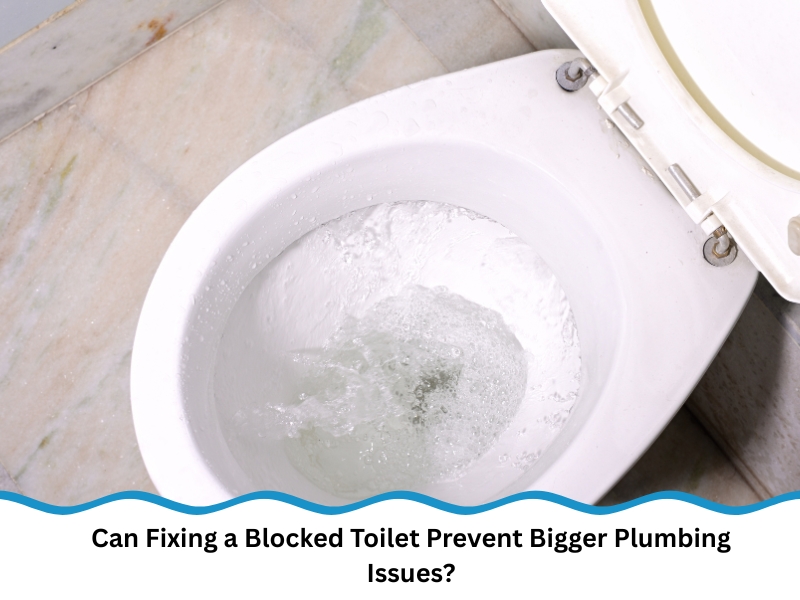
Blocked toilets are a hassle, and when they keep returning, they can throw your whole routine out of whack. A single flush gone wrong may not seem like a big deal, but the problem often runs deeper than you expect. Left untreated, a blocked toilet can lead to costly repairs, unexpected water damage, and even health risks. When it comes to fixing a blocked toilet, most people hope a plunger will resolve the issue. Sometimes it does, but recurring blockages hint at a larger plumbing issue that won’t disappear on its own. Understanding what causes these problems — and how to deal with them appropriately — helps you avoid stress, save money, and keep your household running smoothly.
Why do toilets keep getting blocked repeatedly?
Recurring toilet clogs are more than just an inconvenience. They’re usually a symptom of a bigger issue hiding in your plumbing system. Even if you clear a blockage, it can come back if the root cause isn’t solved. Here are the common reasons your toilet might keep blocking up:
- Older pipes are narrowing from years of build-up
- Tree roots are sneaking into the underground sewer lines
- Foreign items flushed that shouldn’t be there
- Low-flow toilets lack the right pressure to move waste
These problems don’t always show themselves straight away. You might notice slow flushing, gurgling sounds, or water levels rising higher than normal. Ignoring these early warning signs makes blockages harder to fix down the track.
What household habits cause plumbing clogs?
It’s not always faulty pipes causing blockages. Often, daily habits are the culprit. Many people flush items they assume are safe, only to discover later that their toilet drain pipe is slowly choking up. Here are the most common household habits that create clogs:
- Flushing wipes labelled “flushable” that don’t break down properly
- Pouring cooking grease down the toilet or sink
- Using thick toilet paper that doesn’t dissolve easily
- Flushing cotton buds, nappies, or sanitary products
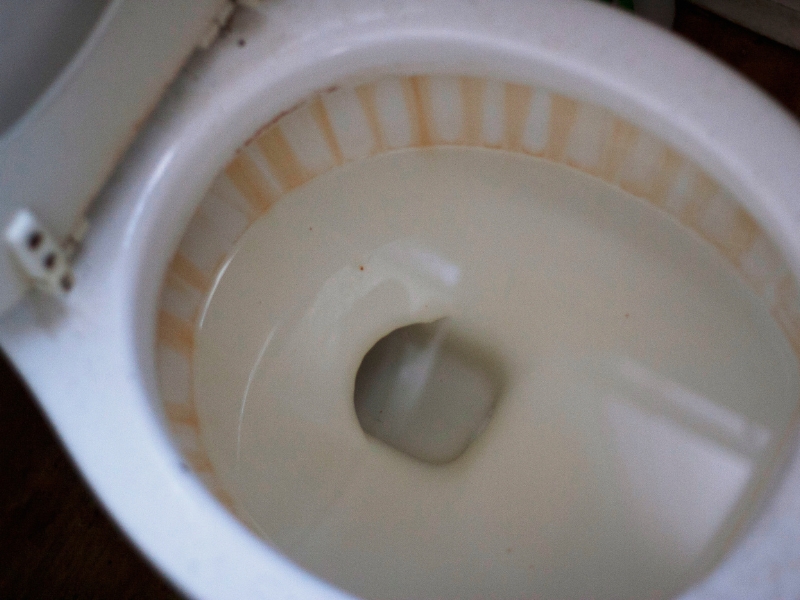
Once these materials get lodged in your plumbing, they combine with natural build-up and create solid blockages. Over time, the result is a toilet that won’t clear no matter how much plunging you do. Knowing the signs that indicate a toilet drainage system is blocked can help you spot and address problems earlier.
How can ignoring fixing a blocked toilet worsen damage?
It’s tempting to think a blocked toilet is no big deal — a bucket of water or a quick plunge might do the trick for now. But ignoring the problem can quickly snowball into major damage. Here are the dangers of letting clogs go untreated:
- Water overflowing and damaging flooring, carpets, or walls
- Sewage backflow spreads bacteria into your home
- Pressure is building in pipes, leading to cracks or bursts
- Expensive emergency callouts are needed at the worst time
Once plumbing damage reaches this stage, repairs cost much more than simple maintenance. Even worse, the mess left behind can pose health risks that aren’t easy to clean up. That’s why being proactive about fixing a blocked toilet saves headaches later.
Which methods work best for fixing a blocked toilet fast?
Not every blockage needs a plumber right away. In many cases, simple methods work well if used correctly. The trick is knowing which tool or approach suits the type of clog you’re dealing with. Here are the most effective methods for clearing a toilet:
- A plunger with a flange for a strong seal and suction
- A plumbing snake to reach deeper clogs
- Hot water and dish soap to soften greasy build-ups
- Baking soda and vinegar are a natural, chemical-free option
| Method | Best For | Success Rate |
| Plunger | Minor soft clogs | Very High |
| Drain snake | Deeper pipe blockages | Medium–High |
| Hot water + soap | Grease and soft waste | Medium |
| Baking soda + vinegar | Eco-friendly clearing | Low–Moderate |
If you’re unsure which method to try first, you can always explore reliable methods for resolving a blocked toilet issue. This ensures you’re tackling the clog in the most effective way.
Where does fixing a blocked toilet require professional help?
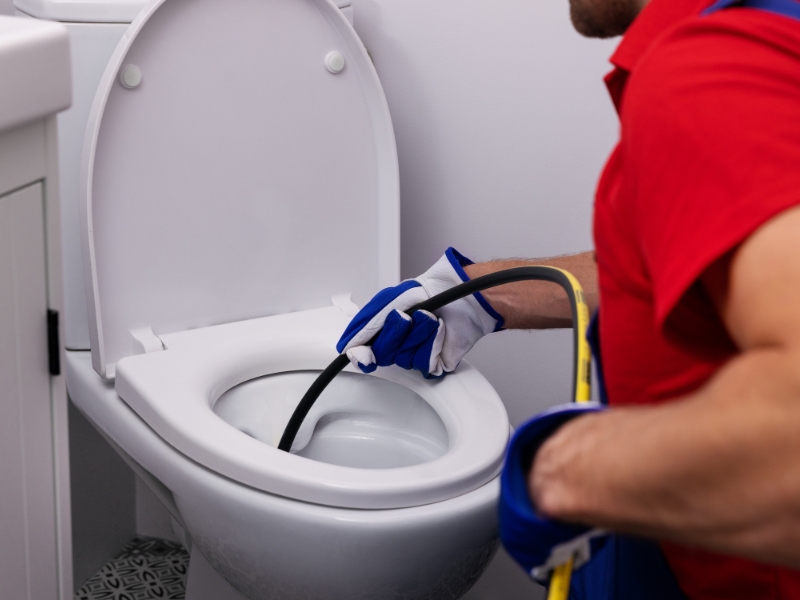
Some blockages go beyond what household tools can manage. In these situations, calling in a licensed plumber is the safest way forward. DIY solutions may only mask the problem, while a plumber can identify and fix the cause properly. Here are the signs you need a professional:
- Multiple toilets or drains are blocked at once
- Strong sewage odours are lingering in your bathroom
- Repeated blockages are happening within weeks
- Unusual gurgling sounds in other fixtures when flushing
These signs often point to a main sewer issue or a cracked pipe. Camera inspection, jetting, or repairs may be needed. While you line up help, you can also look at ways to manage water leaks in Sydney homes. Leaks and clogs often travel together, and small drips can hint at bigger pipe stress.
Why isn’t DIY always the best way to clear a toilet?
Many people prefer to handle problems themselves, but with toilets, DIY isn’t always wise. Improper techniques can make matters worse or even damage your plumbing. Here are the risks of going DIY without the right know-how:
- Using wire hangers or sharp objects that scratch the porcelain
- Overusing chemical drain cleaners that corrode pipes
- Pushing a blockage deeper, making it harder to reach
- Failing to recognise a sewer line issue needing urgent attention
If you’re keen to learn how to clear a clogged toilet, it’s worth balancing practicality with caution. Some simple fixes are safe, but when problems keep coming back, professional intervention saves you from larger plumbing disasters.
Final thoughts on preventing costly plumbing repairs
Fixing a blocked toilet isn’t only about saving yourself from the hassle of an overflowing loo. It’s also about protecting your home from damage that can easily spiral out of control. Costly repairs often start with something small — a flush that doesn’t clear properly or water taking longer than usual to drain away. By paying attention to these signs, changing flushing habits, and stepping in early when clogs show up, you can dodge bigger problems down the track.
It’s easy to think a bit of plunging will do the trick, but ongoing issues usually point to something deeper. If that’s the case, there’s no shame in calling a professional to sort it once and for all. And if you’re worried about an ongoing toilet drain blockage, you can discover how Sydney Blocked Drain Service can assist with plumbing needs.