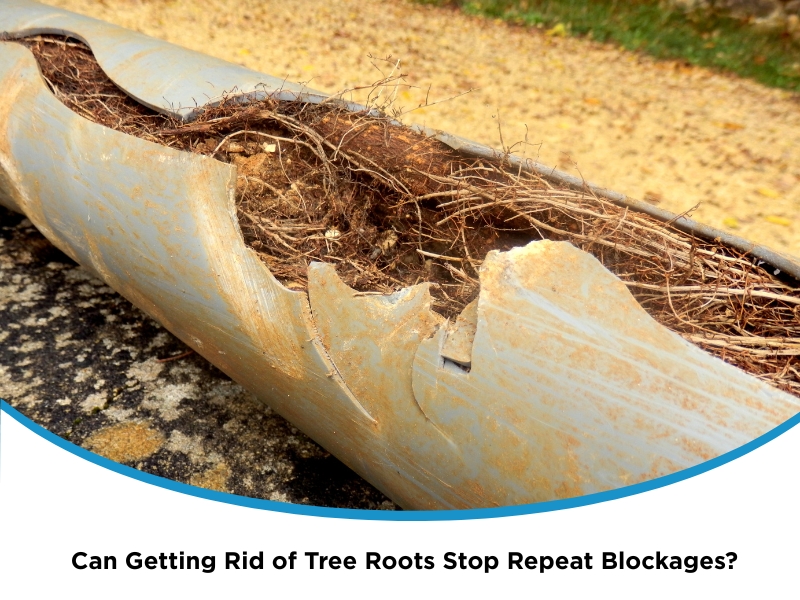
Tree roots might be silent, but they’re powerful — and they know exactly where to find trouble. If your drains keep backing up, chances are they’ve already found your pipes. Left alone, they’ll push, split, and choke your plumbing until repairs become a regular headache. Getting rid of tree roots isn’t just about clearing today’s blockage — it’s about stopping tomorrow’s. This article explores what causes repeat root blockages, how to fix them for good, and why professional removal beats DIY every time.
Why do tree roots keep invading drain pipes?
The reason tree roots continually intrude is that the environment within pipes offers moisture, nutrients and space. In the soil nearby, roots sense tiny leaks or pipe joints and gradually steer toward them. Here are the main drivers behind that invasion:
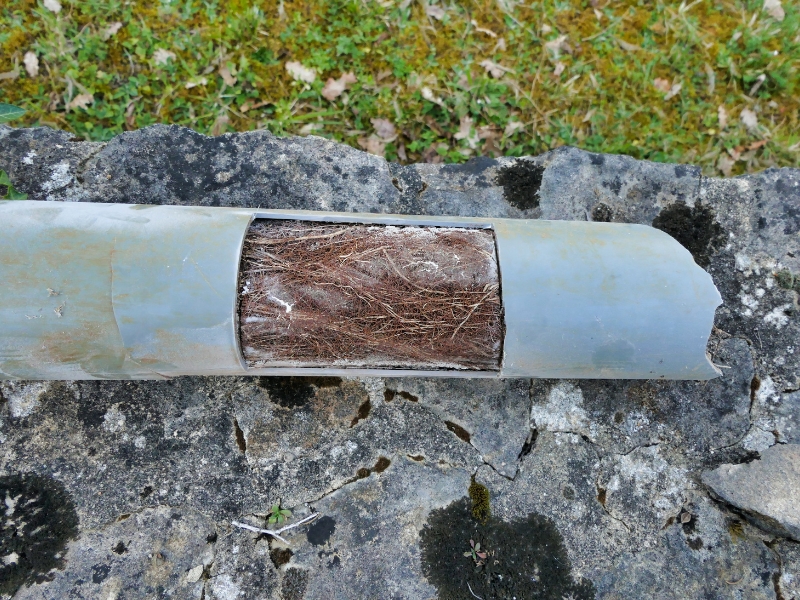
- Root systems naturally seek water and oxygen, so minor cracks in pipes act like a beacon for them and cause steady encroachment over seasons.
- The presence of joints, cracks, or soft clay pipe sections allows easier entry for fine root hairs and then larger roots follow.
- Vibration, ground shifts, or soil disturbance can stress joints and open hairline gaps that roots exploit rapidly.
- Once roots touch a pipe and penetrate, they branch and spread upstream and downstream, making removal progressively harder.
As roots grow thicker, they widen the breach from inside, which explains why older pipes and properties with mature trees face repeated problems.
What causes repeat blockages even after repairs?
Repeat blockages occur when root regrowth or incomplete removal occurs. Even a well-intentioned repair can mask the actual root problem rather than resolve it. Here are the usual causes behind recurring blockages:
- Incomplete root removal during repair leaves behind root fragments that regrow within months and restart the blockage cycle.
- A repair that doesn’t replace or reinforce the damaged section fails to block new root entry at weak joints or connections.
- Partial lining or patching can leave gaps at transitions or joints where roots sneak in and exploit new weaknesses.
- Chemical treatments or flushing only suppress the roots temporarily without destroying the overall root mass or addressing the entry point.
This problem compounds over time; residual roots attract more roots toward the weakened area, creating continuing issues. If your pipes keep clogging despite multiple fixes, it’s probably time to find reliable tree root removal solutions for long-term pipe protection rather than keep patching over the issue.
How serious can root blockages become over time?
Root blockages can escalate into severe plumbing crises if left unchecked. They don’t just cause clogs — they can undermine the entire system and the property. Here are what gradual root intrusions might lead to:
- Pipe collapse, as roots infiltrate and apply pressure from within, fracturing the pipe walls and causing costly excavation.
- Structural shifting of underground plumbing forces misalignment and joint separations that lead to chronic leaks and subsidence.
- Chronic slow drainage or frequent backups degrade hygiene and create ongoing maintenance headaches.
- Escalating repair costs as blockages grow and require more invasive techniques like replacement rather than simple clearing.
Before a complete blockage strikes, many homeowners start noticing common signs of tree roots inside drain lines, like slow drains or gurgling sounds.
Which methods are best for getting rid of tree roots safely?
You won’t deter root intrusion with just brute force; you need methods that cut and clear while protecting your pipe structure and flow. Here are the safer, effective methods you should consider:
- Mechanical root cutting using motorised cutters or augers to sever roots deep inside pipes while preserving pipe walls.
- Hydro jetting at high pressure to wash away root fragments and deposits, giving a cleaner interior that discourages immediate regrowth.
- Chemical root treatments with foaming root killers that penetrate joints and fine roots where mechanical cutters might miss.
- Trenchless pipe relining combined with root barrier coatings to permanently seal joints and prevent new root ingress.
A combination of these techniques, guided by camera inspection, offers the best chance of durable results and reduced future disruption. For severe damage, lining or replacement prevents repeat issues and addresses the root cause rather than recurring symptoms. You’ll also better understand why underground roots cause serious plumbing issues that worsen over time.
How does getting rid of tree roots protect your plumbing?
Eliminating root intrusion doesn’t just restore flow — it protects the integrity, performance, and lifespan of the whole system. Here are the protective benefits you gain:
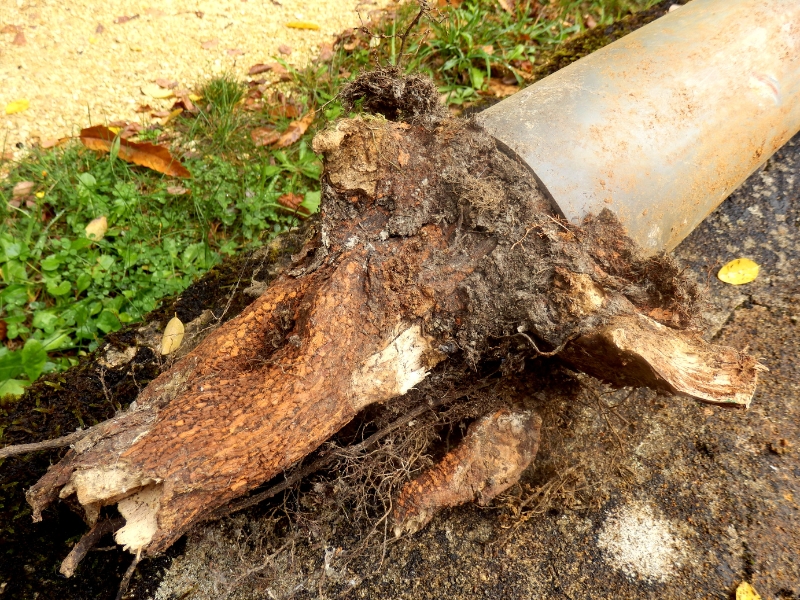
- Prevention of future cracks, leaks and joint separation by removing inward pressure and stopping roots from lever‑acting pipe seams.
- Maintenance of full pipe diameter, which ensures proper flow and reduces the chance of sediment accumulation and recurring slow drains.
- Reduction in repeated patch repairs that cost more over time than a complete, targeted fix.
- Improved resilience of pipe infrastructure, which decreases emergency callouts and increases property value.
Keeping your plumbing root-free plays a big part in understanding proper home maintenance and repair practices that prevent long-term damage and costly repairs.
Why is it safer to hire a pro instead of getting rid of tree roots yourself?
Professionals bring diagnosis, tools and strategy that DIY attempts rarely match, which reduces risk and saves money long term.
Here are the key reasons to choose an expert for root removal:
- Specialists use CCTV inspection to fully map root ingress, ensuring targeted action rather than guesswork.
- Pros deploy the correct cutting heads, jetting pressures and safety protocols to avoid pipe wall damage during removal.
- Trenchless relining and proper sealing are performed by trained teams who ensure joint coverage and long-term protection.
- Professionals provide documented repair options so future failure is less likely and liability is clearer.
Specialist equipment and method selection make a real difference. Below is a clear comparison to show why professional intervention matters.
| Task / Stage | Professional advantage | DIY risk if attempted alone |
| Diagnosis | Full CCTV inspection reveals the extent and exact entry points | Surface clearing misses deeper roots and hidden fractures |
| Root removal | Correct cutters and jetting clear roots while preserving pipes | Wrong tools can chip or crack pipes, causing further leaks |
| Sealing/relining | Trenchless relining seals joints and prevents re-entry | Temporary patches fail at transition points and re-invite roots |
| Safety and compliance | Trained teams follow safety rules and minimise excavation | Inexperienced risks include collapse, injury or property damage |
Professional work reduces the risk of underground pipe collapse, missed damage, and ongoing failure. For safety and durability, skilled removal and sealing is the smart choice.
Final thoughts on getting rid of tree roots safely
Getting rid of tree roots demands precision, the right tools, and a long‑term plan rather than quick fixes; professional inspection and targeted removal deliver the strongest outcomes. If tree roots are threatening your drains, discover how Sydney Blocked Drain Service safely removes stubborn tree roots. Clean removal and correct sealing stop regrowth, reduce repair frequency, and protect pipes for years. With the right approach, blockages become a one‑time issue rather than a repeating problem.