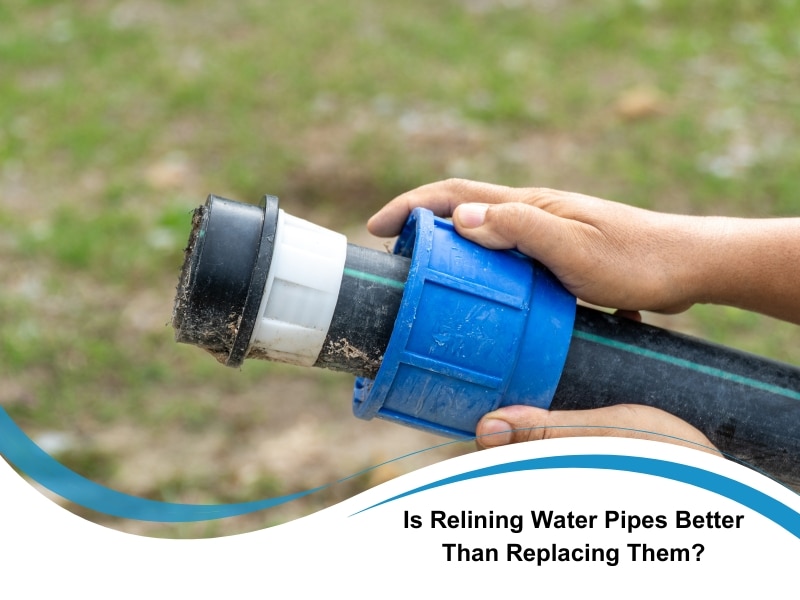
Why dig up your yard when you might not have to? If your water pipes are acting up—slow drainage, bad smells, rising bills—you might be staring down a costly replacement. But there’s another path. Relining water pipes gives your plumbing system a new lease of life—without digging or disruption. It’s clean, fast, and durable. So how does it stack up against replacement? Who benefits most, and when is it the smarter call? This article explores the key differences between relining and replacing pipes, especially for Sydney homes with ageing or awkward pipe setups.
What early warning signs indicate the need for pipe relining?
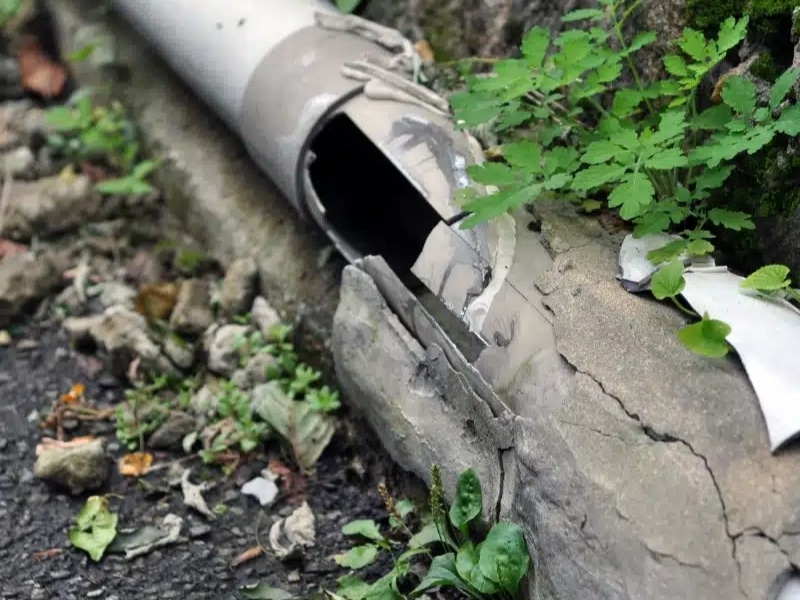
Spotting pipe trouble early can spare significant costs. Keep an eye out for these issues:
- Sudden drop in water pressure: May signal cracks, internal corrosion, or partial blockages.
- Recurring wet spots or damp patches: Indicate leaking joints or hairline cracks behind walls.
- Water bills are climbing unexpectedly: A classic sign of hidden leaks in underground pipe runs.
- Noisy drains or gurgling pipes: Caused by trapped air or backups in misaligned or clogged sections.
These issues may initially appear minor, but they often escalate rapidly if left unaddressed. Taking early action can result in a straightforward relining solution rather than necessitating a complete pipe replacement. In cases of persistent leakage, investing in a dependable pipe relining method can provide long-term protection and yield the most cost-effective outcome.
Why is trenchless relining ideal for narrow or landscaped properties?
Tight spaces and well-kept gardens deserve smarter solutions. Here’s why trenchless shines:
- Minimal digging required: Only access pits are dug—no trenches cutting across driveways or flower beds.
- Ideal for high-density lots: Narrow side yards, courtyards, and boundary walls pose no barrier.
- Preserves landscaping and hardscaping: Trees, turf, and tiles stay intact with non-invasive access.
- Lower reinstatement costs: No need to pay for concrete, lawn, or retaining wall repairs afterwards.
This non-disruptive approach is tailor-made for Sydney properties where space is tight and appearances matter. The convenience of trenchless work means fewer headaches and cleaner outcomes.
How does CCTV inspection improve outcomes when relining water pipes?
A key part of modern relining is what you see before starting work. Here’s how CCTV helps:
- Pinpoint crack location and pipe damage: Avoids guesswork and guides precise liner placement.
- Confirms pipe diameter and condition: Ensures correct resin type and liner thickness.
- Supports planning approvals if needed: Inspection footage assists with documentation in council-regulated areas.
- Verifies post-reline quality: A final scan confirms seamless curing and no residual blockages.
Knowing exactly what’s going on inside gives the crew confidence and the owner peace of mind. CCTV inspection is particularly valuable when assessing repair options for sagging sewer lines, as it ensures that relining is chosen based on precise, visual evidence, not guesswork.
What steps are involved in professionally relining water pipes in Sydney?
A lot goes on under the surface, but it all follows a proven process:
- Initial CCTV inspection and condition assessment: Maps out pipe layout, damage, and materials.
- High-pressure jet or mechanical cleaning: Removes blockages, corrosion, and debris.
- Liner preparation and resin saturation: Custom-cut and tailored for exact pipe specs.
- Installation via inversion or pull-in-place method: Liner is inverted into place, then inflated.
- Hot water, steam, or ambient curing: Sets the liner against old pipe walls.
- Final CCTV check and performance testing: Confirms complete bond and clear flow.
Here’s how the process compares with traditional replacement:
| Feature | Pipe Relining | Pipe Replacement |
| Access required | Small access points | Long trenches throughout the yard or driveway |
| Property disruption | Minimal landscaping is usually untouched |
Major—concrete cutting and excavation involved
|
| Duration | 1–2 days for most homes | 3–10 days, depending on site complexity |
| Life expectancy | Up to 50 years with correct installation | 25–50 years, depending on the materials used |
| Cost of reinstatement | Usually none | Often high—rebuilding surfaces and structures |
| Materials used | Epoxy-saturated liner + UV or steam curing | PVC, copper, or HDPE piping |
| Risk of joint failure | None (seamless lining) | Possible at mechanical joints or bends |
Clear steps and minimal fuss—that’s the benefit of choosing relining done by licensed specialists.
How long does relining water pipes typically last compared to repairs?
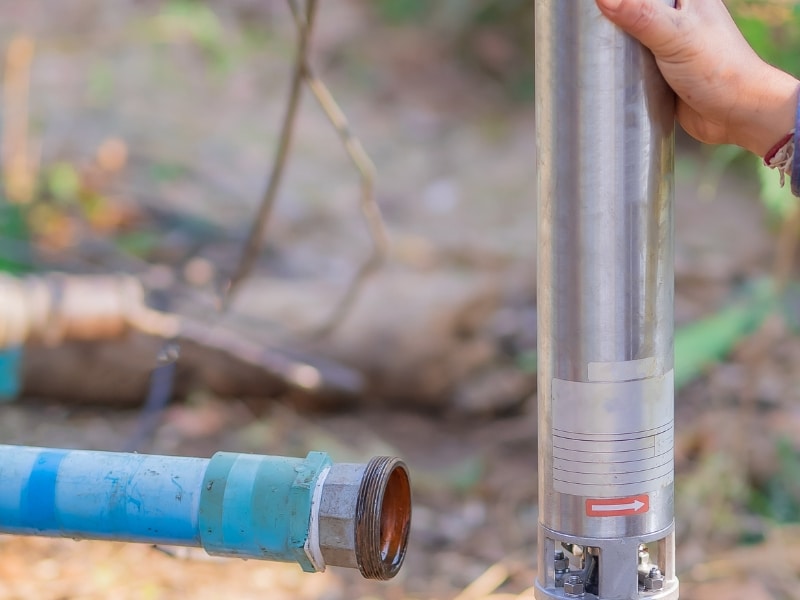
Relining isn’t just quick—it’s made to go the distance. Here’s what to expect:
- 50-year design life: When properly installed, cured-in-place liners rival or exceed traditional pipe materials.
- Seamless interior wall: No joins mean no leak points and no root intrusion.
- Chemical resistance: Epoxy and resin liners resist corrosion from sewer gases and household cleaners.
- Consistent diameter and flow: Unlike some repairs that create bumps or offsets, relined pipes stay smooth.
While spot repairs may offer short-term relief, they often fail again. A better long-term solution is full internal relining. For complex underground issues, consider exploring underground solutions for leaking sewer lines to understand your options better.
Who benefits most from relining water pipes in residential settings?
Not every pipe job suits a dig-up. In many homes, relining hits the sweet spot. It’s ideal for:
- Homes over 30 years old: Original steel, clay, or galvanised pipes may be beyond repair.
- Properties with limited access, such as no driveway, narrow yards, or no rear entry, are no problem for relining.
- Landscaped or heritage gardens: Protect mature plants, paving, and expensive outdoor work.
- Busy families or tenanted homes: Get back to normal quickly with less noise and mess.
If you’re not ready for jackhammers and weeks of trades, relining offers a faster, cleaner fix with fewer surprises. For compliance checks and quality standards, review the official NSW guidelines for code‑compliant relining and inspections planning as part of your planning process.
Final thoughts
For many homes across Sydney, relining stands out as a practical choice, offering lasting performance without tearing up the yard. The method suits properties with limited access, heritage landscaping, or ageing plumbing systems. With fewer delays and minimal disruption, it’s a solution that meets the needs of modern households. Ready to move forward with confidence? Ask Sydney Blocked Drain Service about your pipe relining options to make the right call for your home.