
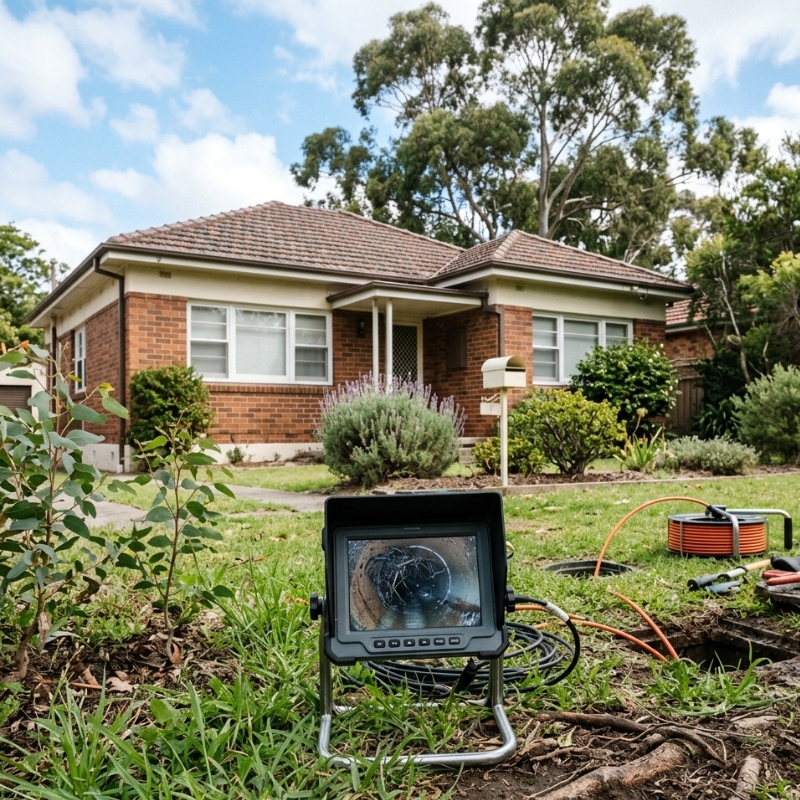
If you’ve had a blocked drain cleared in Sydney (the water finally started moving again), only to have the same problem return days or weeks later, you’re not imagining it—recurring blockages are one of the most common “why is this happening again?” plumbing headaches, and they’re often the early sign you may eventually need a longer-term solution like pipe relining rather than repeated clearing.
The reason it happens is usually straightforward:
A drain can be “cleared” in a way that restores flow, without removing the underlying cause.
Sometimes that cause is basic and local (like hair and soap scum near a shower). Other times it’s deeper in the line and keeps catching debris (roots, grease-coated walls, a slight misalignment at a joint, or a sag where solids settle). In many Sydney homes—especially older builds with established gardens—those “catch points” are exactly why a blockage keeps returning.
This guide helps you recognise the patterns, understand what “cleared” really means, and know when it’s time to move from repeat clearing to proper diagnosis.
What “cleared” usually means (and what it doesn’t)
When a drain is blocked, the immediate goal is to restore flow safely and reduce the risk of overflow. Clearing might involve:
• A hand-held snake/auger to punch through the blockage
• High-pressure water jetting to break up and flush out build-up
• Removing and cleaning a trap under a basin or sink
• Clearing through an inspection opening or gully
All of those can be the right fix when the blockage is a simple local clog. Recurring blockages happen when:
• The restriction wasn’t fully removed (some debris remains behind)
• The pipe has a physical defect that “catches” debris
• The blockage source is ongoing (roots regrowing, grease being added daily)
• The problem is further downstream, so the same line keeps reloading
Q: If it’s flowing again, doesn’t that mean it’s fixed?
Not always. Flow returning is a good sign, but it isn’t proof the cause is gone. A partially restricted pipe can still drain—just poorly—and that’s when the same line blocks again and again.
The recurrence timeline: what the timing often tells you
A simple way to narrow down likely causes is to look at how quickly it comes back after it was cleared.
Same day or within 48 hours
This pattern often points to:
• A local clog that wasn’t fully removed (hair/soap scum in a shower line, sludge in a kitchen branch)
• The blockage is further down than where it was cleared, so it temporarily drained, then backed up again
• Heavy build-up that needs more thorough jetting (common in kitchen lines)
It can also happen when the pipe has a poor fall (incorrect slope), so solids don’t travel reliably and settle again.
Within 1–3 weeks
This is a classic window for:
• Tree root intrusion (cleared, then roots + fibrous debris trap new waste)
• Grease-coated pipes (flow returns, then fats cool and recoat quickly)
• A small “lip” at a joint (often older clay/earthenware), snagging paper and wipes
Within 1–3 months
This often suggests:
• A structural catch point (minor collapse, crack, offset joint, belly/sag)
• Ongoing inputs that slowly reload the line (grease, wipes, excessive paper)
• Weather influence (stormwater issues that show up during wet periods)
Q: Is it normal for a drain to block again after jetting?
It’s not ideal, but it’s common—especially if the jetting restored flow without fully scouring the line, or if there’s a defect (roots/offset/belly) that makes debris accumulate again.
The most common reasons blocked drains keep coming back in Sydney
Sydney’s repeat-blockage “usual suspects” show up over and over: mature tree roots, older pipe materials in established suburbs, and kitchen grease build-up.
1) Tree roots re-entering the pipe
Roots are one of the biggest repeat offenders because they don’t need a large opening. A tiny gap at a joint or crack can be enough for fine roots to seek moisture. Once inside, they act like a sieve—catching paper and other material.
Signs roots are likely:
• Blockages return on a predictable cycle
• Gurgling and slow drains affect multiple fixtures
• Large trees are near the sewer line path (especially older gardens)
• The property has older clay/earthenware sewer runs
2) Grease and food waste re-coating the pipe walls
Kitchen lines are prime territory for “it seems fine… until it isn’t.” Grease sticks to pipe walls, cools, hardens, and then traps everything that follows. A quick clear can reopen the centre of the pipe while leaving a sticky coating around the edges—so the line blocks again sooner than you’d expect.
Common triggers:
• Pouring fats/oils down the sink (even small amounts)
• Rinsing oily pans without wiping them first
• Coffee grounds (they clump and bind)
• “Flushable” wipes (they snag and don’t break down the way people assume)
Q: Why does my kitchen sink keep blocking but the bathroom seems fine?
Kitchen waste lines often fail because of grease and sludge coating the walls. Bathrooms are more often hair and soap scum. Different causes, different patterns.
3) A partial blockage in the main sewer line
If more than one fixture is slow (for example, shower + toilet + laundry), the issue may be in a shared line or the main sewer line rather than one local branch.
Clues it’s a main-line restriction:
• Toilet bubbling or water level changes
• Gurgling from a floor waste when another tap is running
• Wastewater appearing at the gully/inspection opening
• Slow drainage across multiple rooms
4) Offsets and joint issues in older pipes
Many older Sydney homes have clay/earthenware sections with multiple joints. Over time, ground movement can shift them slightly so they no longer align perfectly. Even a small offset can create a “lip” inside the pipe that catches fibres and paper.
A line like this can be cleared repeatedly, but the catch point stays—so it re-blocks.
5) A “belly” (sag) where solids settle
A belly is a low point in the pipe where water slows and solids settle. You can clear a belly, but because the dip remains, the line is prone to re-accumulation. These often create a pattern where drains worsen slowly, then suddenly fail.
6) Stormwater issues that look like “blocked drains” after rain
Not every blockage is sewer-related. Heavy rain can overwhelm stormwater systems, shift debris into grates, or reveal faults in stormwater lines.
Clues it’s stormwater-related:
• Problems appear mainly during or after big rain
• Yard drains or strip drains overflow rather than indoor fixtures backing up
• Toilets and indoor fixtures behave normally, but external pits flood
A safe homeowner pattern check to pinpoint where the issue might be
You don’t need to dismantle plumbing or attempt risky DIY to collect useful clues. Your goal is to observe patterns.
Step 1: Is it one fixture or several?
• One fixture affected (only the shower): more likely local branch line or trap
• Multiple fixtures affected: more likely shared branch or main line restriction
Step 2: Does it change with water volume?
Notice what happens when:
• You run the washing machine
• You flush the toilet
• You run the shower while the basin tap is on
If one fixture triggers symptoms elsewhere (like gurgling in a floor waste), that points to a downstream restriction.
Step 3: Check the “tell-tale” locations
These spots often reveal the story:
• Floor wastes (they “talk” when downstream is restricted)
• External gullies/inspection openings (where backups may show first)
• The lowest fixtures on the property (downstairs bathroom/laundry) often show symptoms earliest
Q: What’s the biggest red flag it’s more than a simple clog?
If wastewater is backing up anywhere—especially at a gully, floor waste, or shower—treat it as urgent and stop using water until it’s assessed.
What to do when it blocks again (to reduce damage)
Recurring blockages can escalate from “annoying” to “expensive” if you keep pushing water through a restricted line.
If you notice backflow, overflow, or a sewage smell
• Stop using water (don’t flush, don’t run taps, don’t run the washer)
• Keep people and pets away from affected areas
• Ventilate where safe to do so
• Organise prompt assessment (sewage exposure is a health risk)
For general guidance, Sydney homeowners can also refer to Sydney Water’s information on wastewater blockages.
If it’s only slow (no backflow)
• Avoid chemical drain cleaners (they can damage pipes and complicate professional work)
• Reduce use of the affected fixtures
• Note exactly what triggers the slowdown (time of day, fixture combos, rain)
• Keep a short symptom log (it saves time later)
Why DIY fixes often don’t stop repeat blockages
DIY can help with truly local clogs (like hair near a shower waste), but recurring blockages usually persist because:
• The blockage is deeper than you can reach safely
• The pipe walls are coated with grease/sludge and need proper scouring
• The restriction is structural (offset/belly/crack/root entry)
• The line clears temporarily, but reloads because the cause remains
Q: Are home remedies or “drain bombs” worth trying?
They might shift minor build-up near a fixture, but they rarely address the reasons drains keep re-blocking. If it’s recurring, focus on diagnosis rather than repeated symptom treatment.
The smart “ask for this” list after the first recurrence
If your drain has already been cleared once and is blocking again, your next step should aim at evidence and the root cause.
Ask for:
• Confirmation of whether the issue appears local or main-line
• Confirm whether you used jetting and whether you fully scoured the line or just reopened flow
• Recommend a CCTV drain inspection based on how quickly the blockage returns
• Provide photos or video showing any roots, offsets, cracks, or sagging sections found on camera
• Explain what you found and what will stop the blockage from coming back
Q: When is a CCTV drain inspection “worth it”?
If it’s blocked more than once in a short period, affects multiple fixtures, or you suspect roots/older pipes, a camera inspection can prevent endless repeat clears by pinpointing the cause.
When pipe condition becomes the real issue (and what that means)
Not all recurring blocked drains are “just” a maintenance issue. Sometimes the pipe itself is the reason the line keeps failing—and in that case, repeatedly clearing the symptom can become an expensive loop.
If an inspection shows a recurring defect, homeowners often start researching options, such as when pipe relining makes sense, to stop the line from repeatedly catching debris without turning the yard into a trench.
Before you jump to any fix, get clear on what the camera actually found. Roots at a joint behave differently from a belly (a sag where solids settle) and differently again to an offset joint that snags paper. Ask for the footage, where the defect sits, and whether the restriction is “soft” build-up or a “hard” structural catch point. Those answers turn “it keeps blocking” into a plan.
You’ll also hear a lot of talk about budgets. Rather than chasing a headline number, read up on the factors affecting pipe relining cost so you understand what usually changes the scope—diameter, length, bends, access points, and whether more than one section needs attention.
To sanity-check what you’re seeing, think in patterns over time. Grease-heavy kitchen lines usually worsen slowly and respond to better habits. Root issues repeat on a cycle, especially in warmer, wetter periods. Offsets and bellies behave like permanent catch points until the pipe is restored.
When the evidence points to fractures or splits that keep letting fine roots and silt into the line, it can help to learn about pipe relining for cracked pipes, because cracks are a common reason a drain seems to clear and then re-block soon after.
Prevention that actually reduces repeat blockages (Sydney-friendly habits)
Prevention works best when it targets the real mechanism behind your recurrence pattern.
If grease or sludge is the likely cause
• Wipe pans before washing
• Collect fats/oils in a container (don’t tip them down the sink)
• Use sink strainers to catch solids
• Keep coffee grounds out of the drain
• Treat “flushable” claims sceptically—fibres snag easily
If roots are the likely cause
• Watch the recurrence cycle (timing is a major clue)
• Don’t ignore early warning signs like gurgling and slow multi-fixture drainage
• Consider periodic inspection if the property has a history of root intrusion
If old pipes and joints are the likely cause
• Treat repeat blockages as a diagnostic clue, not just a nuisance
• Ask for evidence-based findings (camera footage where appropriate)
• Avoid harsh chemical cleaners that may worsen deterioration
Q: What’s the best prevention strategy if I don’t know the cause yet?
Track the pattern (fixtures affected, timing, rain correlation), cut the common contributors (grease/wipes), and prioritise proper diagnosis if it repeats. Prevention works best once you know what you’re preventing.
FAQ
Why does my drain keep blocking after it was cleared?
Because the cause may still be there. The drain can flow again even if the pipe wall is still coated with grease, roots are still entering through a joint, or a structural defect (offset/belly/crack) keeps catching debris.
How can I tell if it’s the main sewer line or just one drain?
If multiple fixtures are slow, you hear gurgling from other drains, or wastewater appears at a gully or floor waste, it’s more likely a shared-line or main-line restriction. If only one fixture is affected, it’s more likely local.
Is it safe to keep using water if the drain is slow?
If there’s any sign of backflow, overflow, or sewage smell, stop using water. If it’s only slow, reduce usage and organise an investigation—forcing lots of water through a restricted line can trigger an overflow.
Are chemical drain cleaners a good idea for recurring blockages?
They’re often a poor fit for recurring causes like roots, grease-coated pipes, offsets, or sagging lines. They can also complicate professional work and may damage certain pipe materials.
How often do tree roots come back after being cleared?
It varies, but roots can regrow if the entry point remains. If you’re seeing repeat blockages on a cycle, that pattern can be a strong clue that roots are involved.
What should I ask for after the second blockage?
Ask what was found, whether the line was fully scoured or just opened, and whether a CCTV inspection is recommended. Evidence (video/photos) helps avoid repeated guesswork.
When should I consider investigating the pipe condition rather than clearing again?
If blockages are frequent, affect multiple fixtures, or return quickly after being cleared, it can be more cost-effective to find out whether a crack, joint offset, or belly is driving repeat build-up.