
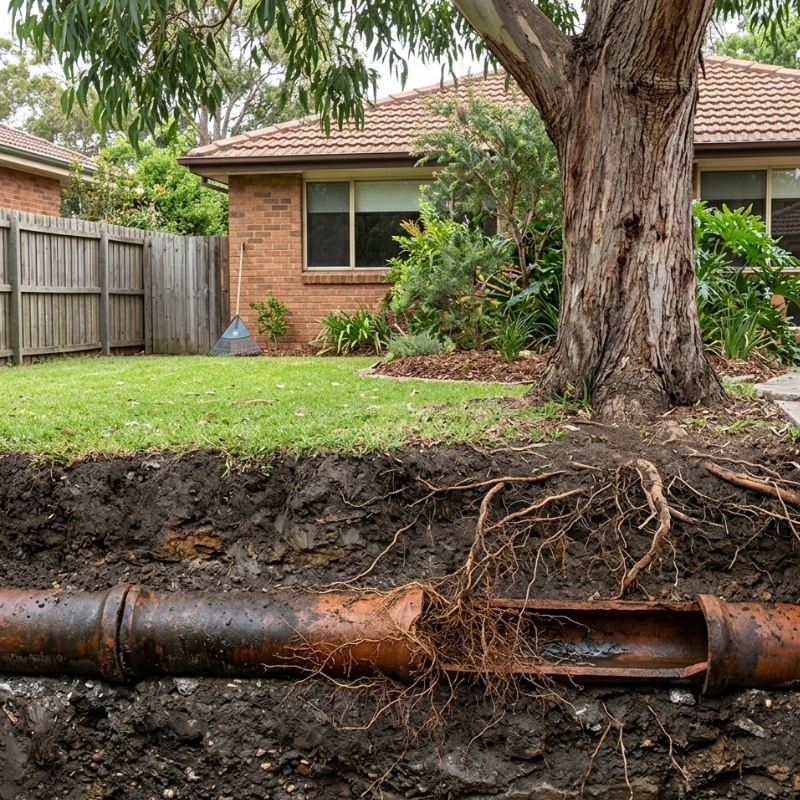
Sydney’s leafy streets are part of what makes the city such a great place to live. But all that greenery comes with a hidden risk: tree roots and ageing underground pipes don’t always get along. The tricky part is that root intrusion rarely shows up as a single dramatic event. It usually starts as “minor” symptoms you can brush off—slightly slow drainage, an occasional gurgle, a whiff of sewer smell after rain—until the problem becomes a repeat offender, which is why a CCTV drain inspection is often the only way to catch it early.
This guide breaks down the warning signs that often point to tree roots in sewer pipes, why the issue is so common in Sydney, and how to avoid guessing when you’re dealing with recurring blockages.
Why do tree roots target sewer pipes in the first place
Tree roots don’t break into healthy, perfectly sealed pipes because they’re “aggressive” for the sake of it. Most of the time, roots take advantage of an existing opportunity.
In plain terms:
• Pipes that leak even a little moisture can attract roots
• Roots follow water and nutrients
• Once a fine root finds a tiny opening, it can expand inside the pipe and trap debris
The City of Sydney explains that roots typically enter pipes where there’s already a fault (like leaking joints or cracks), rather than breaking into a sound pipe — see the City of Sydney fact sheet on trees and sewer/drain impacts.
That detail matters because it explains why the same blockage can keep coming back: clearing the symptom doesn’t automatically fix the entry point.
Why Sydney homes are especially vulnerable
Not every suburb is the same, but Sydney has a few common conditions that make root intrusion more likely:
• Older housing stock with older underground pipework (including terracotta/clay sections and joints)
• Soil movement over time that can shift joints and create small openings
• A strong “tree canopy culture” in many areas—big established trees close to houses and boundary lines
The City of Sydney fact sheet specifically calls out old terracotta pipes and joint failure or cracking from soil movement as a common cause of leakage that can invite roots.
The warning signs you should never ignore
1) Blockages that keep returning (even after you “clear” them)
If you’re dealing with repeated clogs—especially within weeks or a few months—roots are high on the suspect list.
Why does it happen:
• A partial root mass acts like a net
• It snags toilet paper, wipes, and general debris
• Each “clear” might open a path temporarily, but the root structure remains and regrows
If your household has started measuring time in “how long until the drain blocks again,” it’s worth moving from guesswork to evidence.
A practical next step is a drain camera inspection to pinpoint the blockage so you can confirm whether you’re seeing roots, a cracked joint, a belly/sag in the line, or something else entirely.
2) Multiple fixtures slow down at the same time
One slow bathroom sink can be hair and soap scum. But if the toilet, shower, and laundry all start draining poorly around the same time, that often points to a problem further along the shared sewer line.
Common pattern:
• Things drain… just slowly
• Then you’ll notice surging or air movement
• Eventually, you get a full blockage at the worst time
3) Gurgling sounds (especially from the toilet)
Gurgling usually means air is struggling to move through the system because flow is restricted.
Watch for:
• Toilet gurgles when the shower runs
• A laundry tub “bubbles” when the toilet flushes
• The sound is worse after rain or heavy water use
Roots can create a partial blockage that turns normal flow into turbulent flow—air gets dragged and pushed through trapped water pockets.
4) Sewer smells inside or outside the house
A sewer smell is never just “one of those things.”
Indoors, it can be:
• A dry floor waste (trap dried out)
• A venting issue
• A developing restriction in the line
Outdoors, it can be a clue that wastewater is lingering where it shouldn’t—especially if the smell is strongest in one spot in the yard.
5) A wet patch, soft lawn, or unexplained “green strip”
If part of your lawn is always damp, unusually lush, or slightly sunken, treat that as a serious sign—particularly if it lines up with where your sewer line could run.
Why it matters:
• Leaking wastewater can fertilise the soil
• Roots grow toward that consistent moisture
• Over time, the ground can soften or settle
This is one of the situations where delaying can turn “a blockage” into “a repair.”
6) Overflow at an inspection point (or near the boundary)
Some properties have an inspection point or overflow relief gully. If you’re seeing overflow during heavy water use, your system is telling you there’s a restriction that can’t cope with normal flow.
Sydney Water also explains that responsibility for clearing a blockage depends on where the issue is, and outlines indicators of whether it’s likely in your private pipes or in the wider network.
7) Blockages are worse after rain
Rain can wash extra sediment and organic debris into stormwater systems, but it can also change groundwater levels around sewer pipes. If a sewer line already has a crack or joint issue, wetter soil conditions can make symptoms more noticeable.
If your “blocked drain season” lines up with wet weather, roots plus an existing pipe fault becomes a strong possibility.
8) You’ve had renovations but never updated the underground pipes
A lot of Sydney homes have renovated bathrooms and kitchens multiple times while the original sewer and stormwater pipework stayed in place. The City of Sydney points out that upgrading essential underground infrastructure is an important part of owning a property, especially where older systems remain.
If your house is older and the drains have a long history, assume the pipes deserve scrutiny too.
Q&A: Can tree roots actually break pipes, or do they just get in through cracks?
Roots are far more likely to enter where there’s already a weakness—like a leaking joint, damaged seal, or previous damage—than to crack into a sound, properly maintained pipe.
That’s why identifying the entry point matters. If you only remove the roots but don’t address the fault that invited them, the blockage can repeat.
DIY “root fixes” and why they often disappoint
People try all sorts of things before they suspect roots:
• Store-bought drain openers
• Boiling water
• Drain snakes
• Repeated plunging
• “Flushable” products that aren’t really flush-friendly
Even if a DIY approach buys you a bit of time, it rarely tells you:
• Where the restriction is
• Whether the pipe is cracked, displaced, or collapsed
• How extensive the root intrusion is
For recurring blockages, the value isn’t just clearing the line—it’s understanding why the blockage keeps returning.
That’s where understanding why the blockage keeps returning becomes more than a nice-to-have. It’s the difference between a one-off annoyance and a cycle you keep paying for (in time, mess, and stress).
The fastest way to confirm roots vs other causes
Recurring blockages can be caused by several issues that look similar from inside the house:
• Roots
• Grease build-up
• A sagging section of pipe that holds water (“belly”)
• A cracked joint letting soil in
• Foreign objects lodged in the line
A drain camera is the straightforward way to stop guessing. The goal is to see:
• Whether roots are present
• Where they’re entering
• How much of the pipe is affected
• Whether there’s a structural fault that needs attention
If you’re in “repeat blockage mode,” a CCTV drain inspection for recurring blockages helps confirm the real cause and prevents you from treating the wrong problem.
Prevention tips that actually suit Sydney conditions
Find out where your pipes run before planting
Sydney Water recommends knowing where your pipes are and avoiding planting trees within 6 metres of wastewater pipes, noting that roots can enter small cracks and continue to grow, slowing drainage and causing blockages.
If you’re planning a garden overhaul, treat pipe location like a non-negotiable.
Choose trees and planting locations with roots in mind
Even if you keep trees away from the line, roots can travel. The key is reducing the chance they’ll find moisture leaking from joints.
Practical steps:
• Keep large, thirsty species away from known pipe runs
• Avoid planting right over the path from the house to the boundary connection
• Be cautious with fast-growing trees near older homes
Keep an eye on the “pattern” of symptoms
A simple log can save you time:
• When the blockage happened
• Which fixtures were affected
• Whether rain played a role
• Whether it improved temporarily after clearing
Patterns often reveal whether you’re dealing with a local fixture issue or a main-line restriction.
Don’t ignore yard clues
If you notice any of the following, move quickly:
• persistent damp spots
• unusual odours outdoors
• sinking pavers or soft soil
• a suddenly thriving patch of grass in a dry spell
These can point to leakage, and leakage is what attracts roots.
Q&A: Is it my responsibility if roots come from a council tree?
Responsibility can get complicated, but one thing is consistent: you still need to manage the immediate risk to your property and prevent further damage.
The City of Sydney advises that if you suspect damage is caused by a tree on council land, you may be able to claim for costs in some circumstances, and it outlines practical steps like obtaining written quotations, carrying out necessary repairs to reduce hazards, and notifying council so an officer can inspect exposed pipes during works.
If you think a council tree is involved, the strongest position you can be in is “clear evidence, clearly documented” rather than assumptions.
When it’s time to stop hoping it fixes itself
If you notice any of these, treat it as urgent:
• wastewater backing up indoors
• multiple drains blocked at once
• repeated overflows in the yard
• signs of ground movement (sinking, soft patches)
• blockages that return quickly after being cleared
Even if the immediate problem settles down, root intrusion and pipe faults tend to worsen over time, not improve.
Frequently asked questions
How can I tell if tree roots are in my sewer pipe without digging?
Look for repeat blockages, multiple fixtures draining slowly, gurgling, sewer smells, and outdoor signs like soft patches or wet areas. To confirm without excavation, you need visual evidence from inside the pipe—this is where a drain camera check is useful.
Why do roots cause recurring blockages instead of one big blockage?
Roots often start as fine strands that trap paper and debris. Each time the line is “cleared,” the roots can remain attached at the entry point and regrow, catching more material over time.
Do older Sydney homes get root problems more often?
They can, especially where older pipe materials and more joints create more opportunities for leaks and movement. The City of Sydney notes old terracotta pipes and joint failure/cracking are common causes of leakage.
Is a sewer smell in the yard always roots?
Not always. A sewer smell can also come from venting issues, a damaged pipe, or wastewater sitting where it shouldn’t. But if the smell is persistent and you also have slow drains or recurring blockages, roots become more likely.
Why is the problem worse after rain?
Wet soil conditions and higher groundwater can make existing faults more noticeable, and extra debris can combine with a partial root restriction. If the timing is consistent—“every time it rains, the drains struggle”—it’s worth investigating.
What should I do if neighbours have the same issue?
If nearby properties are affected at the same time, the issue may be beyond your private line. Sydney Water lists indicators that can suggest whether a blockage is likely in the wider network (such as neighbours experiencing the same problem).
Can I prevent root issues completely?
You can reduce the risk by keeping trees away from sewer runs, choosing planting locations carefully, and addressing leaks and joint issues early. Sydney Water advises avoiding planting trees within 6 metres of wastewater pipes and checking where your pipes are first.