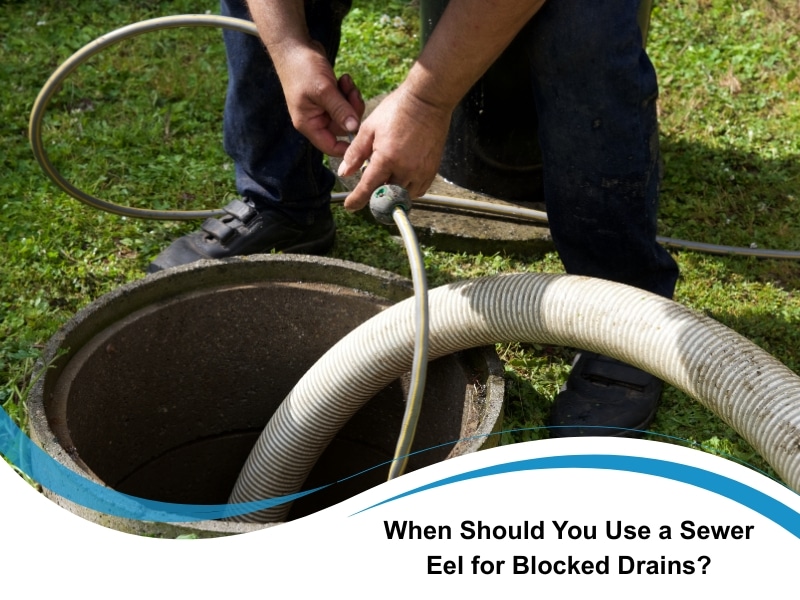
A sewer eel is best used when drains are too badly blocked for plungers or simple tools to shift. If water is backing up in multiple fixtures, or tree roots and solid obstructions are causing ongoing trouble, that’s when this machine comes into play. It’s powerful enough to cut through heavy clogs, but it’s not always the safest choice for fragile or damaged pipes.
A sewer eel isn’t something you’ll pull out for every blocked drain. It’s the tool you call on when smaller fixes fail — the clogs are deep, the water’s rising, or roots have made their way into the line. Knowing where it fits compared with drain snakes or water jetters can save you from wasted effort and costly mistakes.
What is a sewer eel, and how does it work?
If your drain is badly clogged, a sewer eel is one of the go-to machines for clearing it. The motor spins a steel cable through the pipe, breaking up blockages so water can flow again. Here are the key features that make a sewer eel effective:
- Cable sections can be extended for deeper drains.
- Interchangeable cutting heads target grease, roots, or debris.
- Machines vary in power, making them suitable for household and commercial jobs.
Still, there’s no one-size-fits-all solution. For soft build-up like soap scum, a sewer eel may be overkill. And if pipes are damaged or too narrow, forcing in the eel risks breaking them. This is where an electric eel for blocked drains often comes in handy for stubborn clogs that won’t shift otherwise.
What causes blocked drains in Australian homes?
Most Sydney blockages come down to two things: what goes into the pipes and the condition of the pipes themselves. Roots, grease, and everyday waste are the main triggers. Here are the common causes you’ll see in many households:
- Tree roots are invading sewer pipes.
- Cooking fats and oils are solidifying in kitchen sinks.
- Hair and soap residue in bathroom drains.
- Flushed wipes, cotton buds, and sanitary products.
A major headache is that these blockages often build up slowly. You might notice smells, slow draining, or gurgling sounds before the drain finally clogs completely. The causes of blockages in Australian homes often come down to daily habits combined with natural wear and tear. Pipes in older Sydney suburbs are especially at risk of cracks that let in roots.
When pipes are cracked or clogged deep underground, you’ll want more than DIY solutions. That’s when understanding sewer pipe blockages helps explain why certain methods work better than others.
Can drain-cleaning tools damage pipes if misused?
Yes — the wrong tool in the wrong hands can crack or jam pipes. Old or fragile drains are especially at risk when a plumbing eel is pushed too hard. Here are the main risks that come with misuse:
- Excess pressure from the motor may split fragile clay pipes.
- Selecting the wrong cable size increases the chance of jamming.
- Old, corroded pipes are more likely to collapse when stressed.
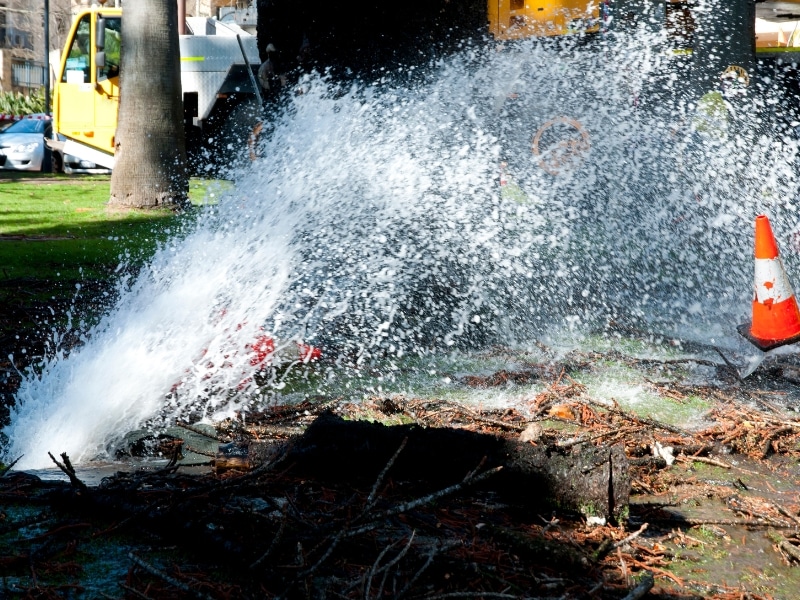
The problem is that many drains in Sydney homes are decades old. When they’re already weakened, aggressive use of a sewer eel or other drain cleaning machines can cause breaks that cost thousands to repair. This is why it’s not only about “does the tool work?” but “is it safe for my pipes?” Misjudging that balance often leaves people worse off than before.
When to choose a sewer eel vs a drain snake
The choice comes down to the size of the problem. A drain snake handles smaller clogs, while a sewer eel is built for deep or stubborn blockages. Here are the key differences between the two tools:
| Tool | Best For | Pros | Cons |
| Drain snake | Light clogs, shallow pipes | Gentle, easy to handle | Limited power, not for tough blockages |
| Sewer eel | Severe clogs, deeper sewer lines | Cuts roots, clears heavy debris | Risk of damage if misused |
Choosing between them depends on the severity of the problem. A backed-up sink is usually a job for a drain snake, but a main sewer line blockage often calls for the power of an eel. It’s in this decision-making stage that choosing the right drain cleaning method saves you from unnecessary headaches.
How does a sewer eel compare to a water jetter?
Both tools clear drains, but they do it differently. A sewer eel cuts through solid obstructions, while a water jetter blasts pipes clean with high-pressure water. Here are the situations where one may work better than the other:
- Jetters are especially effective at clearing oily build-up.
- Eels excel when tree roots are the main culprit.
- Jetters clean pipes more thoroughly, leaving less residue.
- Eels remain useful in pipes where water pressure could worsen cracks.
Both methods have their place, and plumbers often use them together for maximum effectiveness.
What are the safety risks of using a sewer eel yourself?
Trying to run a sewer eel without training can be risky. The spinning cable and electrical parts can cause injuries or damage if handled incorrectly. Here are the main safety risks worth noting:
- Fast-moving cables can whip unexpectedly, causing cuts.
- Incorrect grounding increases the chance of electric shock.
- Lack of PPE leaves users vulnerable to debris and splashes.
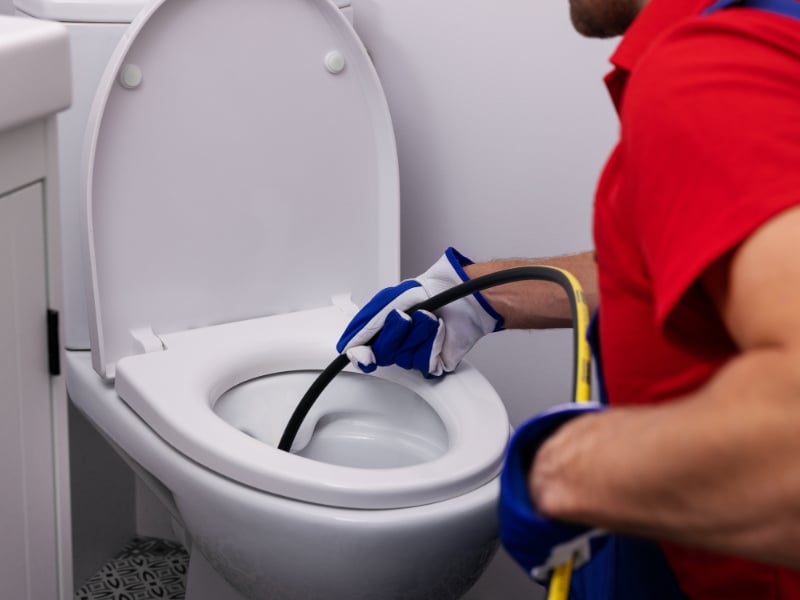
Sydney households sometimes hire these machines, thinking it’ll save a few bucks. But without knowing pipe conditions or having protective gear, they can end up with injuries and burst pipes. It’s wise to consider whether the risk is worth it. Safe handling requires more than gloves—it needs full PPE, knowledge of pipe layouts, and practice. For this reason, training in safe drain cleaning practices is strongly encouraged before attempting DIY sewer eel use.
Final thoughts on when to use a sewer eel
A sewer eel is a tough, reliable tool for heavy clogs. But it’s not the answer to every blocked drain. For smaller issues, a drain snake or even a plunger might be enough. For grease build-up, a jetter is often better. And when in doubt, calling a plumber ensures the right method is chosen without extra risk.
Think of it like fixing a car—you wouldn’t pull out the biggest tool for a small job. Similarly, sewer eels are best for those deep, stubborn blockages where other methods fall short. If you’re still unsure about unclogging drains, getting trusted advice from Sydney Blocked Drain Service can save time, money, and hassle.