
Grease Build-Up in Kitchen Pipes: The Everyday Habits That Cause Slow Sinks in Sydney
A slow-draining kitchen sink rarely happens “all at once”. More often, it’s a gradual narrowing inside your pipes: a thin greasy coating forms, then sticky residue clings to it, then food particles and soap scum get caught… until one day your sink goes from slow to a blocked drain that’s seriously not coping.
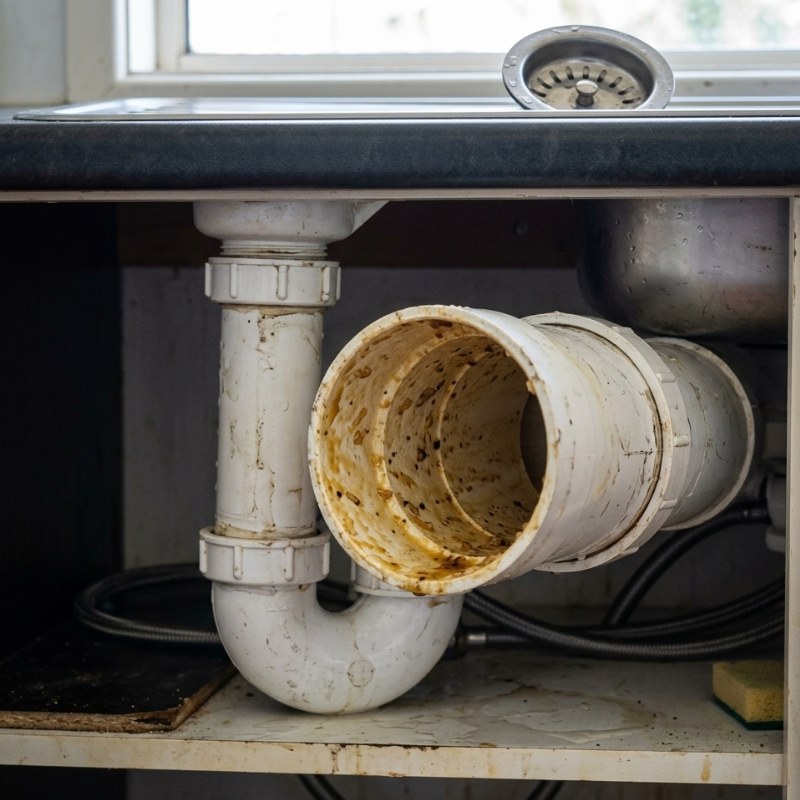
In Sydney homes, this is especially common because everyday cooking habits (stir-fries, roasts, pan sauces, air fryers, BBQ plates, gravy fats) create lots of fats, oils and grease (FOG). And the tricky bit? Grease can look harmless when it’s hot and liquid — but once it cools, it can set and cling to pipe walls.
This guide breaks down the real-world habits that create grease build-up, what you’ll notice early, what’s safe to try at home, and when it’s time to stop experimenting and get help.
Why does grease build-up create a “slow sink” before it becomes a full blockage
Kitchen pipes don’t usually block like a cork in a bottle. Grease build-up is more like cholesterol in an artery:
• Hot oil or melted fat goes down as a liquid
• It cools inside the pipe (especially in winter, overnight, or in shaded external runs)
• A thin film sticks to the pipe wall
• Soap residue + fine food particles adhere to the film
• The pipe diameter shrinks over time, so water drains more slowly
• Eventually, one “normal” meal clean-up tips it over the edge
Because it’s gradual, you can have weeks (or months) of warning signs — if you know what to look for.
A quick Sydney reality check
Sydney Water regularly reminds households to keep fats, oils and grease out of sinks because they contribute to major blockages in the wider network (the infamous “fatberg” problem). Their guidance is worth following even if your sink seems fine today. A good reference point is Sydney Water’s Save Our Sinks.
The everyday habits that quietly feed grease build-up
Below are the most common culprits, with the “why it matters” and what to do instead.
1) Rinsing oily pans “because it’s only a little bit”
This is the big one. You cook something greasy, tip the pan under hot water, give it a quick rinse, and everything looks like it disappears.
What’s actually happening:
• Hot water keeps grease liquid for a moment
• As it travels into cooler pipe sections, the grease starts to set
• It sticks to the sides and becomes a magnet for debris
Do this instead:
• Let the pan cool slightly
• Wipe out grease with a paper towel (or scrape congealed fat into the bin)
• Then wash as normal
2) Pouring cooking oil down the sink (even small amounts)
“Just a drizzle” still adds up over weeks. Oil doesn’t mix with water — it coats surfaces. If you pour oil after frying, it can travel further before it cools, meaning the build-up might be deeper in the line (harder to reach with basic DIY methods).
Do this instead:
• Pour oil into a jar or tin, let it cool, then bin it
• For small amounts, wipe plates and cookware before rinsing
3) Washing greasy plates without scraping first
Even if you don’t pour oil, greasy food residue on plates gets washed into your trap and line. Add detergent, and it can seem like the grease “breaks up”. But plenty remains to coat the pipework.
Do this instead:
• Scrape scraps into the bin
• Wipe heavy grease first (especially after roasts, sausages, bacon, creamy sauces)
4) “It’s fine, the dishwasher will handle it”
Dishwashers help, but they’re not magic grease incinerators. If you load items coated in fat and rinse nothing off, the dishwasher’s outflow still goes into your plumbing system. Over time, that can contribute to residue in the same line.
Do this instead:
• Scrape and wipe heavy grease
• Run the dishwasher on a hotter cycle occasionally (check your model guidance)
• Clean the dishwasher filter so it’s not recirculating muck
5) Coffee grounds down the sink
Coffee grounds don’t dissolve. They clump, settle, and stick to greasy film like wet sand on glue.
Do this instead:
• Bin grounds or compost them
• If you rinse a plunger, do it in the garden (or wipe first)
6) Flour, rice, pasta, and “starchy sludge”
Flour turns into paste. Rice and pasta swell. Starchy water can leave residue. Combine any of that with grease coating and you’ve got a very effective pipe-narrowing cocktail.
Do this instead:
• Bin solids first
• Tip starchy water into the garden where suitable, or flush it with plenty of water (not into a slow sink)
7) Eggshells, fibrous veg scraps, and “tiny bits won’t matter”
On their own, small scraps can pass through. But on top of the grease film, they snag and build layers.
Do this instead:
• Use a sink strainer
• Empty it into the bin daily
8) Using “chemical drain cleaner” as a routine fix
Chemical cleaners can seem like the quick win — until they’re not. They may shift some soft build-up, but they can also create risks:
• Heat and fumes
• Potential damage to older pipes or seals (varies by product and plumbing material)
• Making later work harder (and more hazardous) if the problem persists
Do this instead:
• Use prevention routines (below)
• If you’ve already used chemicals and the sink is still slow, be cautious about stacking methods
Q&A: If grease causes slow drains, why does it sometimes drain fine and then suddenly back up?
Because the pipe can be “almost” restricted for ages. Then one extra load of greasy dishwater, a clump of grounds, or a cold night can cause a chunk of softened residue to shift and lodge in a narrower section. That’s when you see the sudden change from slow to stalled.
The early warning signs of grease build-up (before a full blockage)
Grease build-up tends to give you clues. Look for:
• The sink drains slowly but eventually clears
• Water “pools” briefly then drains in a gulp
• Gurgling sounds, especially after running the tap
• A persistent smell that returns soon after cleaning
• You need hotter water than usual to get it moving
• The problem worsens after cooking greasy meals
• Plunging helps for a day… then it’s back
If you’re noticing two or more of these repeatedly, it’s worth acting early.
If you’ve tried the basics and the water still won’t move properly, it’s worth checking the blocked drain if your kitchen sink won’t clear so you can rule out the common causes before the problem escalates.
What you can safely do at home (and what tends to backfire)
DIY can be fine when you’re dealing with mild build-up. The goal is to reduce residue and improve flow — without forcing debris deeper or damaging pipework.
Safe-ish steps for mild, slow drains
1) Clear the obvious
• Remove and clean the strainer
• Check the trap area for visible sludge (if accessible)
• Clean around the plughole and overflow (if your sink has one)
2) Use hot water strategically (not endlessly)
Hot water can help soften grease, but it’s not a permanent fix. It’s most useful as part of a routine, not as a “blast it and forget it” solution.
A sensible approach:
• Run hot tap water for a short period
• Follow with a steady flush of water to carry loosened residue away
Avoid:
• Repeating boiling-hot “shock” flushes constantly, especially if you have older plumbing or aren’t sure of your pipe materials
3) Dish soap + hot water for minor grease film
Dish soap is designed to bind fats. In mild cases, a decent dose of dish soap followed by hot water can help shift greasy residue.
Use it as a maintenance habit (weekly/fortnightly), not a desperate fix for a near-total blockage.
4) A plunger can help, but only if you use it correctly
Plunging can dislodge soft build-up near the trap. But aggressive plunging can also shift debris into a worse position.
Tips:
• Ensure there’s enough water to cover the plunger lip
• Use steady, controlled plunges
• Stop if water begins to rise dangerously or you hear unusual noises
What often backfires
Repeated DIY “cocktails”
Mixing multiple DIY methods (chemical cleaner + boiling water + other reactions) can create hazards and doesn’t guarantee results. If you’re not getting improvement after a reasonable attempt, it’s a sign you’re beyond mild build-up.
Over-reliance on “it drains when I run hot water”
That’s not solved — it’s masked. The build-up can continue quietly until the day it doesn’t respond at all.
Q&A: Is baking soda and vinegar good for grease in pipes?
It can help with odours and light surface grime in some situations, but grease build-up is primarily a fats issue — and many people overestimate how much a fizzy reaction can remove from pipe walls. If it makes you feel better for smell control, keep expectations realistic and don’t treat it as a cure for ongoing slow drainage.
A realistic prevention routine for busy households
If you want to stop grease build-up before it becomes a drama, consistency beats intensity.
Daily habits (take under a minute)
• Wipe greasy pans and plates before washing
• Bin oil and fat (jar/tin method)
• Use a sink strainer and empty it
Weekly habits
• Wash the strainer and plughole area thoroughly
• Do a dish-soap + hot-water flush after a week of heavier cooking
• Check for early smells or gurgling
Monthly habits
• Clean out any gunk you can safely access
• If your sink has been slow on and off, track patterns:
– Is it worse after certain meals?
– Worse at night?
– Worse when the weather cools?
That pattern recognition helps you act before it escalates.
Why Sydney homes can be more prone to kitchen drain issues
Not every kitchen is the same. In Sydney, some common factors include:
• Older suburbs with older pipework layouts (more bends and narrower lines)
• Tree roots affecting shared sections of drainage (even if the kitchen issue starts as grease)
• High-density living where multiple apartments share vertical stacks (a “small” issue can show up as gurgling and odour)
• Winter temperature drops that encourage grease to set faster inside pipes
That doesn’t mean you’re doomed — it just means prevention and early action matter.
When the symptoms keep coming back (especially after greasy meals or cooler nights), blocked drain solutions for Sydney kitchens can help you match what you’re seeing at the sink to what’s likely happening inside the pipework.
When a slow sink is no longer a “kitchen habits” problem
Some situations are beyond grease build-up and basic DIY. Watch for:
• Water backs up into the sink when you run the dishwasher
• Multiple fixtures affected (kitchen + laundry, for example)
• Gurgling that happens frequently, not occasionally
• Bad odours that return fast (even after cleaning)
• The sink fills quickly when you try to plunge
• Water appears where it shouldn’t (overflow points, floor drains)
These are the “stop experimenting” signals.
If you’re hitting repeat slowdowns, bad smells that return quickly, or any sign of backflow, follow when to call a plumber for a slow sink so you know when it’s time to stop DIY and avoid making the blockage harder to clear.
Q&A: Why does my kitchen sink smell even after I clean it?
Grease build-up can trap decomposing food particles. You can clean the visible parts of the sink, but if the residue is lining the pipework, the odour source remains. If smells keep returning quickly, it’s a sign the issue is in the line, not just at the plughole.
Final FAQ
What’s the fastest way to reduce grease going into the pipes?
Wipe cookware and plates before washing. That one habit removes the bulk of fats and prevents the greasy coating that causes slow drainage.
Can hot water “melt” grease away permanently?
Hot water can soften grease, but it usually doesn’t remove it completely. If you rely on hot water to make a slow sink drain, the build-up is still there and can worsen over time.
Are coffee grounds really that bad for kitchen drains?
Yes. Coffee grounds don’t dissolve and they clump, especially when there’s greasy residue for them to stick to.
Why does the sink drain slowly only sometimes?
Partial restrictions behave inconsistently. Temperature, the amount of grease in the last wash-up, and what else went down the sink that day can change how well it drains.
What should never go down the kitchen sink if I want to avoid grease build-up?
• Cooking oil and fat
• Coffee grounds
• Flour and starchy sludge
• Fibrous food scraps
• Anything “greasy + gritty” (it sticks and builds layers)
Is it normal to plunge into work for a day and then stop working?
That pattern often suggests build-up further down the line. Plunging can temporarily shift soft debris, but it won’t remove a thick, greasy coating deeper in the pipe.
Talk to a licensed Sydney drainer. $0 call-out fee, and you get the price before anything starts.
Call (02) 8960 0868More drain advice
Still blocked? Book a drainer
We clear blocked drains across Sydney, every day and through the night. Tell us what the drain is doing and we will tell you what it takes to fix it.
NSW Licence 306733C. Fully insured. $0 call-out fee. Blocked drains cleared from $69.