Hidden vs Obvious Signs Your Drain Is About to Block: A Sydney Homeowner’s Checklist
Water seems to disappear down the sink, then suddenly, one morning, the shower tray is filling like a bathtub. Blocked drains rarely happen out of nowhere. They nearly always leave a breadcrumb trail of warning signs — some so subtle you only notice once the pipe is already choked. This checklist shows Sydney homeowners how to spot both the hidden hints and the hard-to-miss red flags, so you can act before water backs up or sewage overflows. Along the way you will see where quick DIY monitoring ends and where calling for professional blocked drain help becomes the smarter move.
Why Early Warning Signs Matter in Sydney’s Plumbing Landscape
Sydney’s mixture of heritage terraces, mid-century fibro cottages and newer duplexes means pipe materials and layouts can vary street by street. Add our reactive clay pockets, sudden downpours that overload stormwater lines, and thirsty jacaranda roots searching for moisture, and small drain issues can tip into full blockages fast. Catching symptoms early protects not just the pipes but floors, walls and even neighbouring units in high-density suburbs like Parramatta or Bondi. It also reduces the need for invasive digging or emergency after-hours callouts, which often cost more and create extra mess.
Hidden Signs Many Homeowners Miss
Some clues whisper rather than shout. Keep an ear, nose and eye out for these subtler hints.
Subtle Gurgling After the Water Stops
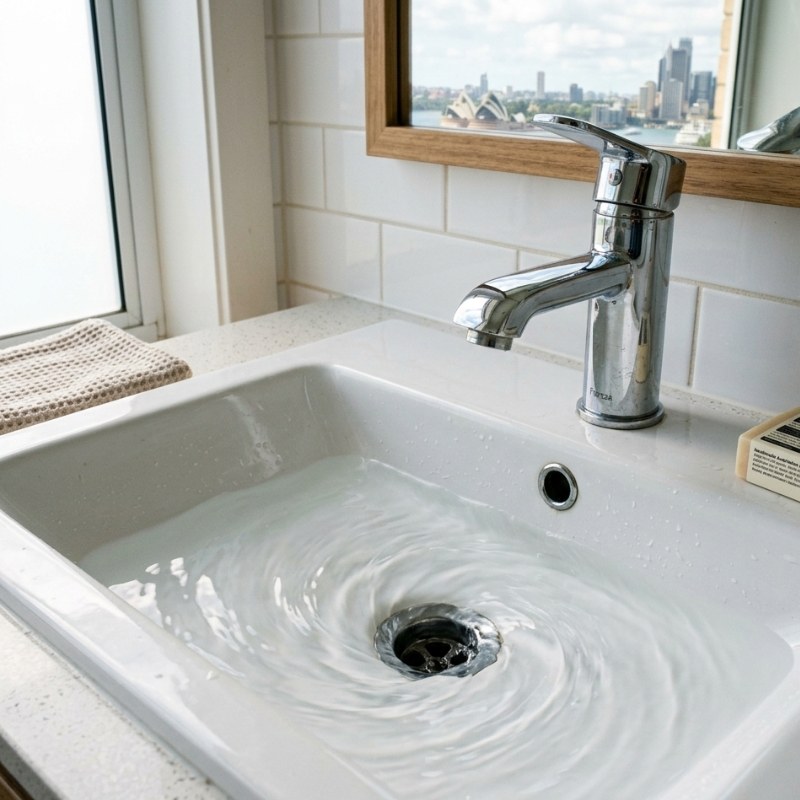
A faint glug-glug sound a few seconds after a sink empties can signal air struggling past a partial obstruction. It often starts weeks before water slows.
Intermittent Bad Smells Near Floor Waste
Sewer odours that come and go — especially after hot days or heavy showers — may point to trapped debris fermenting in the line.
Unexplained Lawn Wet Patches Above Pipe Runs
If a damp, spongy area appears in otherwise dry weather, seepage from a cracked or root-invaded pipe could be leaking into the soil before a full collapse.
For more on what small exterior clues could signal structural pipe issues, see our deeper guide on signs your drain pipe is damaged.
Obvious Red Flags You Shouldn’t Ignore
When these appear, the blockage is often advanced.
Slow-Draining Fixtures Across the House
One lazy sink can be local, but if the kitchen, shower and laundry trough all empty slowly, the main line is narrowing.
Water Rising in the Shower When the Toilet Flushes
Cross-fixture backlash tells you wastewater is battling for space downstream — classic sign of a near-complete obstruction.
Repeated Plunger Sessions Needed
If the plunger only clears the bowl for a day or two, you are treating the symptom, not removing the underlying buildup.
Hidden vs Obvious Signs — What They May Mean and What to Do
Small hints can snowball quickly. Use the table below to decide whether to monitor, try a basic home fix or schedule a professional inspection.
A small gurgle can escalate to pooled sewage if ignored. Check the trend over a few days and act before symptoms stack up.
Common Mistakes That Turn a Small Symptom Into a Full Blockage
• Ignoring the first slow drain because “it still empties eventually”.
• Reaching for caustic chemical cleaners that can eat older metal pipes and kill helpful bacteria.
• Forgetting vent stacks — a clogged roof vent can mimic a pipe blockage.
• Leaving leaf matter on outdoor grates during Sydney’s storm season, forcing debris into stormwater lines.
Quick DIY Checks You Can Safely Try First
- Remove and clean basin or shower strainers; hair mats can form surprisingly fast.
- Pour a kettle of hot (not boiling) water mixed with dish soap down the grease-prone kitchen sinks.
- Inspect the outdoor gully grate; clear leaves before heavy rain.
- Use a wet/dry vacuum on floor wastes to pull up trapped debris.
For safer household maintenance tips, the Sydney Water guidelines outline best practices to keep private pipes clear without relying on harsh chemicals.
When Monitoring Isn’t Enough: Deciding to Call a Plumber
• Symptoms appear in more than one room.
• You smell sewage outdoors or see soggy ground.
• DIY attempts solve the problem only temporarily.
• Fixtures back-up during rainstorms (stormwater could be cross-contaminating sewer lines).
Professional plumbers use CCTV cameras and water-pressure jetting to remove stubborn obstructions while checking the pipe’s condition, saving you repeat call-outs.
FAQ
1. Is a bad odour always a sign of an impending blockage?
Not always. Dry floor wastes or traps can let sewer gas seep indoors. Run water into rarely used drains first. If the smell returns alongside slow drainage or gurgling, investigate for a developing blockage.
2. Why do blocked drains seem to happen more after heavy rain in Sydney?
Stormwater can enter cracked pipes or poorly sealed gully traps, carrying soil and leaves that lodge further down the line. Sydney’s burst-rain weather pattern means debris can wash in suddenly, hastening an almost-blocked pipe to fully obstructed.
3. Are chemical drain cleaners safe for old Sydney terrace pipes?
Older cast-iron or galvanised lines can corrode when exposed to caustic chemicals. Enzyme-based cleaners are gentler but work slowly. If symptoms are advanced, a mechanical clear is safer than repeated chemical doses.
4. How quickly can tree roots block a sewer pipe?
Roots can fine-thread into small joints within months, especially after a wet summer. Once inside, they thicken each growth season. Regular inspections every year or two in tree-lined streets help catch intrusion early.
5. Will smart water sensors reliably detect hidden blockages?
Smart leak detectors mainly sense unexpected water flow or moisture, not rising sewer levels. They are useful for burst pipes but still rely on you noticing the early blockage symptoms listed above.
Final Thoughts
Spotting and acting on hidden hints like faint gurgles or occasional odours can spare you the headache of overflowing fixtures later. Keep the checklist handy, listen and look for patterns, and don’t hesitate to arrange a professional inspection if multiple signs add up. A proactive approach costs far less — in stress and repairs — than waiting until water has nowhere to go.
Talk to a licensed Sydney drainer. $0 call-out fee, and you get the price before anything starts.
Call (02) 8960 0868More drain advice
Still blocked? Book a drainer
We clear blocked drains across Sydney, every day and through the night. Tell us what the drain is doing and we will tell you what it takes to fix it.
NSW Licence 306733C. Fully insured. $0 call-out fee. Blocked drains cleared from $69.