The Top 7 DIY Plunger Mistakes That Turn a Minor Blocked Toilet Into a Plumbing Disaster
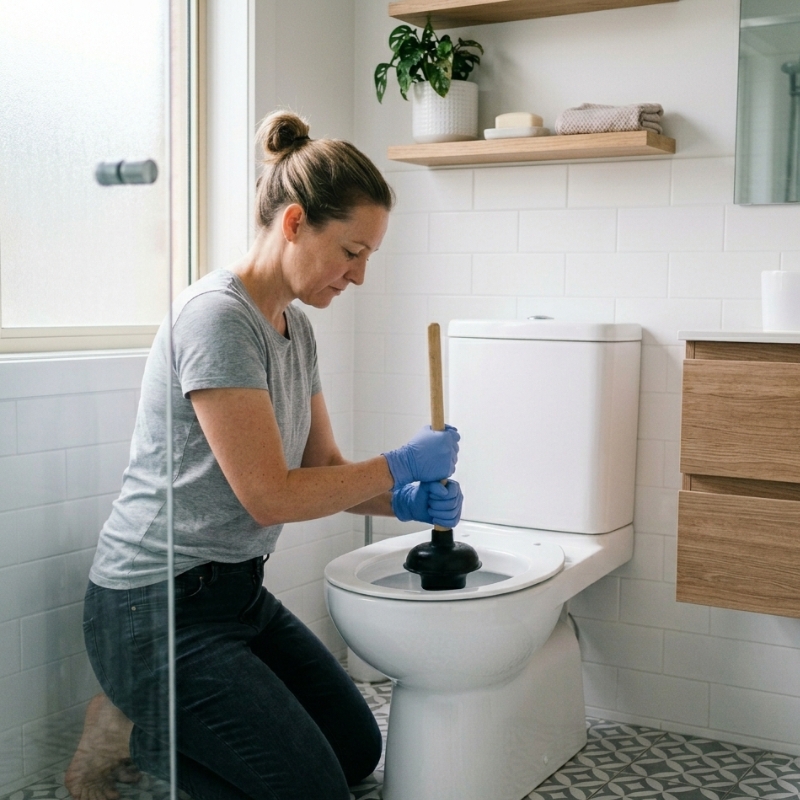
Few household emergencies feel as urgent as a blocked toilet. Reaching for a plunger is the natural first move, and in many cases it works. Yet every week across Sydney we see well-meaning DIY efforts that take a small clog and turn it into an after-hours call-out, water damage or—worst of all—sewer backflow. While some issues can be resolved with basic tools, more serious blockages may require professional blocked toilet repair to prevent further damage. If you would rather fix the problem than make it worse, it pays to understand what can go wrong before you start pumping away.
This article breaks down the seven most common plunger mistakes, explains why they cause more harm than good and shows you safer steps. If your toilet is already overflowing, or the blockage keeps coming back, a professional blocked toilet repair may be the faster and cheaper route in the long run.
1. Grabbing the Wrong Type of Plunger
Most kitchens have a classic flat-cup plunger. That works on sinks and tubs, not on toilets. A toilet needs a flange plunger—recognisable by the soft rubber sleeve that sticks out from the cup and seals inside the outlet hole.
Why It Matters
Without a tight seal, each plunge simply moves air around. That air can shoot upward, splashing contaminated water onto tiles and walls. Worse, it fails to create the pressure difference needed to shift the clog, so homeowners plunge harder and risk cracking delicate porcelain.
Safer Fix
Use a flange (or accordion-style) plunger sized to fit your toilet outlet snugly. Before plunging, run hot tap water over the rubber for 30 seconds—it softens the material so it moulds to the bowl shape for a better seal.
2. Pushing Too Hard, Too Fast
Strong arms do not equal better results. Vigorous thrusts can force the clog deeper into the line or send soiled water over the rim. In multi-storey homes, that pressure surge can even dislodge wax seals on lower-floor toilets.
Best Practice
Start with slow, steady pushes to force trapped air out, then work up to firm, rhythmic plunges. Ten to fifteen controlled strokes usually give you an answer—either the water level drops (success) or stays put (time for another method).
3. Forgetting to Add Enough Water First
A plunger works by moving water, not air. If the bowl is nearly empty because you flushed repeatedly or bailed water out in a panic, the cup cannot create useful pressure.
Quick Check
The water should cover the plunger’s rubber cup completely. If not, add warm water from a bucket until it does. This also softens some soap-based clogs and helps dissolve paper.
4. Mixing Chemical Drain Cleaners With Plunging
Pour-in products may claim to dissolve “everything”. In reality, they can splash back into your eyes during plunging and weaken older porcelain glaze. Corrosive chemicals also linger in pipes, making professional treatment hazardous if you later call a plumber.
Safer Alternative (See Comparison Table Below)
| Common Action | Why It’s a Problem | Safer DIY Alternative |
| Dumping caustic cleaner, then plunging immediately | Chemical splash risk, pipe damage | Try hot water mixed with a cup of dish detergent; wait 15–20 min before gentle plunging |
| Mixing bleach with other cleaners | Produces toxic fumes | Stick to one mild product at a time; ventilate bathroom well |
| Using “maintainer” enzymes on a total blockage | They work slowly, offer no immediate relief | Reserve enzyme products for preventative maintenance once flow returns |
5. Breaking the Vacuum Seal Too Early
Many people lift the plunger out of the water after each push to ‘reset’ their grip. That lets air in, ruining the pressure cycle and splashing wastewater.
Technique Tip
Keep the plunger under water at all times. Maintain a vertical angle so the cup stays centred over the drain. If you need a break, pause with the plunger still sealed—then resume without losing suction.
6. Ignoring Partial Success Signs
Water movement, gurgling and partial drain-down suggest the clog is shifting. Stopping too early can let debris settle back in place, setting you up for another overflow later in the day.
What to Watch
• Steady drop in water level after plunging? Give two more gentle plunges to finish the job.
• Loud suction sound? That often signals the passage has cleared—flush once to confirm.
If the bowl refills to an unusual height or drains sluggishly, the blockage is still there.
For a step-by-step guide on spotting early warning signs, check out our detailed blog on how to tell if your toilet drain is blocked.
7. Flushing Repeatedly to “Test” the Fix
A triumphant flush feels satisfying, but multiple rapid flushes can undo your hard work. Residual waste may lodge again further along, or a partial blockage may force water to back up into the bowl—or worse, onto your bathroom floor.
Safer Flush Test
Flush once. Watch the bowl empty and refill. If water rises above the normal level or drains slowly, hold off on further flushes and return to plunging or another method. Remember, excess water plus gravity equals overflow.
DIY vs Professional Help: A Quick Comparison
Sometimes a plunger is enough. Other times, you need specialised gear or a camera inspection to avoid repeat incidents.
| Situation | DIY Plunger Likely Enough | When to Call a Plumber |
| First-time clog, no overflow | ✔️ | |
| Toilet used for nappies, wipes or sanitary products | ✔️ Possible deeper obstruction | |
| Gurgling noises in nearby fixtures | ✔️ Could signal main line blockage | |
| Standing water won’t budge after 15 min of proper plunging | ✔️ Risk of sewer backflow | |
| Frequent blockages in the same toilet | ✔️ Investigation into pipe damage or tree roots |
Local Factors Sydney Homeowners Should Keep in Mind
Sydney’s ageing sewer mains and mix of older clay pipes with newer PVC mean clogs can hide further down the line than you expect. In suburbs with mature street trees—think Ashfield, Randwick or parts of the North Shore—root intrusion is a leading culprit. If you live in a terrace or unit block, remember that repeated DIY plunging may push the clog into shared pipes, risking neighbourly woes and strata fees.
For advice on what not to flush in the first place, see the official Sydney Water guidelines.
Common Mistakes to Avoid at a Glance
Below is a quick checklist you can print or save on your phone.
| Mistake | Likely Outcome | Quick Prevention |
| Using sink plunger on toilet | Poor seal, splash risk | Buy a flange plunger and label it “toilet only” |
| Over-aggressive thrusting | Pipe or wax seal damage | Controlled, even strokes |
| Low water in bowl | No pressure build-up | Add warm water to cover cup |
| Mixing chemicals + plunging | Eye and skin injury | Stick to mechanical methods first |
| Premature flush test | Overflow, water damage | Wait until water drains fully |
Frequently Asked Questions
- Can I use a coat hanger instead of a plunger?
While bending a coat hanger into a hook may dislodge very mild paper jams, metal can scratch porcelain and catch on rubber seals. A purpose-made toilet auger (with a protective sleeve) is far safer. - How long should I plunge before giving up?
If you have made 10–15 steady plunges with a proper seal, added enough water and seen no change, further plunging is unlikely to help. At that point it is wiser to call for professional assessment. - Is hot water alone effective on blockages?
Very hot (not boiling) water with dish detergent can soften soap scum and grease, helping minor clogs move along. It is rarely enough on its own for solid obstructions like wipes or toys. - Do “flushable” wipes cause the same problems as regular wipes?
Most “flushable” wipes still remain intact far longer than toilet paper and accumulate in bends or junctions. Sydney Water’s own testing shows they are a leading cause of sewer blockages. - Will turning off the water supply help prevent overflow?
Yes. Closing the cistern isolation tap stops automatic refilling, giving you time to work without fresh water entering the bowl. Just remember to turn it back on once the blockage is cleared.
Final Thoughts
A trusty plunger can solve many minor toilet blockages, but only when used correctly. By avoiding the seven mistakes covered above, you cut the risk of cracked porcelain, chemical burns and unsanitary overflows. If the water still will not budge, or if clogs return often, it may indicate a deeper issue inside the waste line. In those cases, bringing in a licenced plumber to inspect and clear the pipe can save you from repeat clean-ups and unexpected repair bills down the track.