What Happens If You Reline a Sewer Pipe the Wrong Way?
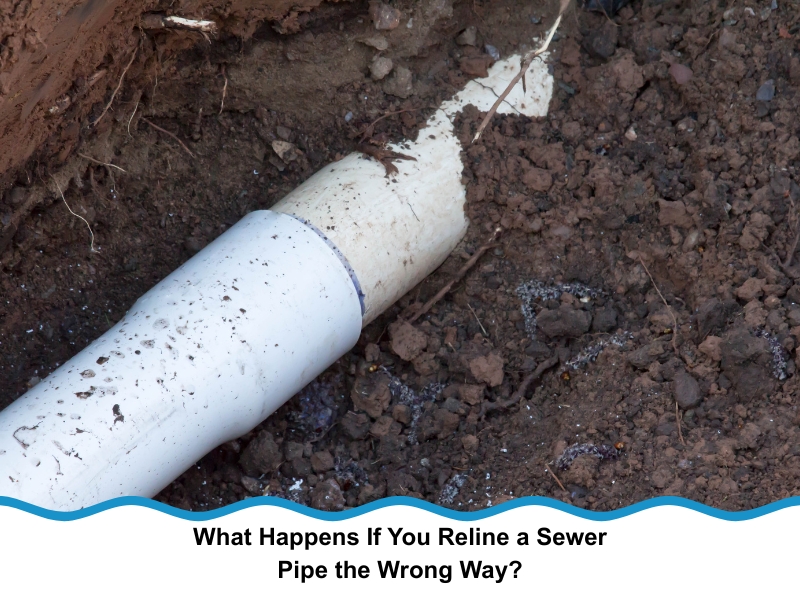
Relining a sewer pipe the wrong way can spark leaks, blockages, and backyard dig-ups that hit the hip pocket hard. When you reline sewer pipe sections without the right prep, materials, or cure, defects go undetected and then surface after rain or a big laundry day. Because the line sits under slabs and garden beds, mistakes turn simple maintenance into hard yakka. However, with a clear plan, you can avoid a dog’s breakfast and keep everything flowing. This article shows the tell-tale signs, the correct trenchless process, why material quality matters, what can go pear-shaped with DIY, how CCTV prevents errors, and the simple maintenance steps that keep a relined system humming.
What signs show that it’s time to reline sewer pipe systems in your home?
When drains misbehave in patterns, the pipe itself is usually the culprit, not a random clog. In practice, lining seals cracks and offsets from the inside, restoring structure and flow without trenches. However, before committing, you need consistent signals indicating pipe damage rather than fixture issues. Here are the signs:
- Repeated blockages: The same branch clogs again within weeks despite clearing.
- Gurgling and slow drains: Air pulls through cracks, and fixtures empty sluggishly.
- Odours or wet patches: Sewage smells or damp soil trace the pipe alignment.
- CCTV proof: Cracks, missing sections, or root webs confirm structural faults.
- Backflow at low fixtures: Toilets or floor wastes surge when other fixtures run.
On balance, these clues show the problem is in the line, not at the grate. Therefore, early action prevents washouts under pavers and minimises disruption and mess to your property.
How do professionals reline sewer pipes without digging up your property?
A no-dig workflow repairs the line from inside the pipe, avoiding concrete cuts and garden damage. First, CCTV maps defects and measures distances; next, jetting and descaling clean surfaces; then a resin-saturated liner is installed and cured; finally, junctions are reopened and footage verifies results. Here are the process steps:
- CCTV scoping: A camera maps lengths, junctions, and defects to millimetre marks.
- High-pressure jetting: Scale, silt, and roots are stripped to ensure resin bonding.
- Liner installation: Calibrated felt or glass liners are impregnated and inverted or winched in.
- Controlled curing: Steam, hot water, or UV sets the resin to a uniform hardness.
- Robotic reinstatement: Side branches are reopened precisely after cure.
During curing, technicians monitor pressure, temperature, and time. As a result, the correct cure profile avoids repeat excavations later. For Sydney homes with tricky access and mixed pipe materials, engaging a trusted sewer pipe relining solution keeps process control tight while preserving landscaping. In short, you get the trenchless advantage without leaving quality to chance.
Why is it essential to reline the sewer pipe using high-quality materials?
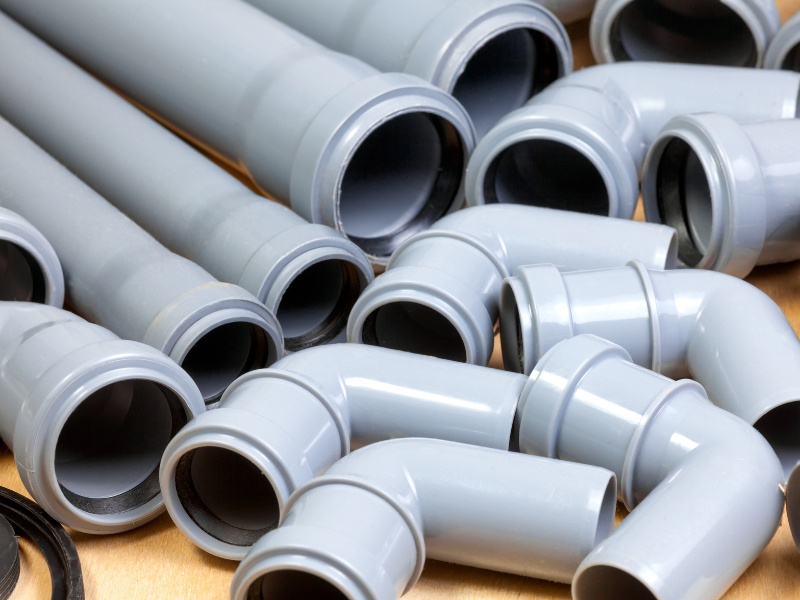
Material and resin quality decide how well the liner bonds, resists heat and chemicals, and keeps its shape under load. While cheaper consumables can seem fair dinkum value, low-grade felt, thin glass layers, or unknown resins introduce shrinkage, blisters, and weak points that show up months later. Here are the material must-haves:
- Verified resins: Epoxy systems rated for hot water and household chemicals.
- Structural liners: Glass-reinforced or multi-layer felt that resists ovalisation.
- Pre-wet or QA-mixed: Factory controls reduce onsite ratio errors and voids.
- Calibration control: Quality hoses eliminate wrinkles that snag waste.
- Documented cure curves: Data-backed time/temperature profiles ensure uniform hardness.
Cut-price chemistry can void product warranties, and that’s bad news when councils or insurers ask for proof. Conversely, quality systems extend pipe service life and reduce the odds of callbacks. If you’re pricing options, it helps to understand the factors that influence sewer pipe relining costs in Sydney, so you can weigh resin type, access constraints, cure method, and reinstatement complexity without overspending.
What can go wrong if you reline the sewer pipe without professional help?
DIY relining kits exist, but house drains are unforgiving without correct cleaning, sizing, and curing; liners slip, wrinkle, or under-cure. Then, on the odd occasion, a short liner leaves an active leak at a joint, quietly undermining soil and paving. Here are the common DIY mistakes:
- Under-cleaning: Residue blocks bonding, and the liner delaminates under flow.
- Wrong sizing: Oversized liners wrinkle; undersized liners won’t seal, resulting in inoffsets.
- Botched curing: Cold spots leave soft resin that blisters and emits a foul odour.
- Rough reinstatement: Jagged cuts at junctions snag wipes and tissue.
- Skipped final CCTV: No proof means hidden defects go unnoticed.
Informative table — DIY relining errors at a glance
| Mistake | What you’ll notice | Risk | Practical fix |
| Under-jetting | Slow drains persist | Poor bond; liner slip | Re-jet, then reline the affected span |
| Short liner | Leak at the joint remains | Soil ingress; settlement | Sectional patch or longer reline |
| Overheating during cure | Bubbles on CCTV | Weak spots; odours | Grind out; install sectional patch |
| Poor junction reinstatement | Branch blockages | Backflow into fixtures | Recapture with a robotic cutter |
| No final CCTV | No verification footage | Hidden defects; warranty disputes | Complete post-line survey and report |
If these errors accumulate, the risk of liner collapse and blockage rises quickly. That’s when backups flood low points and emergency dig-ups blow out budgets fast, turning a tidy trenchless job into a weekend-wrecking headache.
How does a CCTV drain inspection prevent relining mistakes?
CCTV is the compass that keeps every step on track. Before work, it sizes the pipe, maps junctions, and pinpoints defects; during prep, it confirms cleaning; after cure, it proves a smooth, round bore and neat reinstatements. Without evidence, you’re flying blind. Here are the CCTV checkpoints:
- Pre-scope metrics, diameters, lengths, and junction distances — guide liner cuts.
- Cleaning verification: Post-jet visuals confirm a bond-ready surface.
- Cure validation: Even colour and hardness indicate correct chemistry.
- Reinstatement review: Branch openings are flush with the liner wall.
- Handover record: Time-stamped files support insurance and council queries.
For a wider lens on public health and system performance, homeowners often consult the sustainable sewerage system and reclaimed water guidelines to understand why verification is on the cards for quality outcomes. In short, a thorough CCTV regime turns guesswork into data and reduces the chance of post-storm surprises.
What maintenance steps keep a relined sewer system working efficiently?
Relined pipes are resilient, but not set-and-forget. Good habits protect the liner, keep flows steady, and extend longevity. Meanwhile, innovative planting and root management stop old problems from returning through joints and junctions. Here are the maintenance moves:
- Mind the inputs: Bin wipes and hygiene products; use enzyme cleaners, not acids.
- Hot flush routine: Run hot water after the dishwasher to clear detergent films.
- Periodic checks: Schedule CCTV on long runs or heavy-use households.
- Root management: Install barriers, prune, and choose non-aggressive species.
- Fixture mapping: Keep a log of symptoms, dates, and any jetting or CCTV.
If roots caused grief before, prevention matters. When planning landscaping and seasonal pruning, consider knowing how to prevent tree roots from damaging your sewer pipes as part of your routine. With small, steady steps, a relined system runs quietly in the background—no dramas and no nasty surprises.
Final thoughts on relining sewer pipes safely in Sydney
Relining is a smart, trenchless fix that preserves landscaping and restores structure when cracks, offsets, and root intrusions cause grief. However, success hinges on process discipline, quality materials, and verifiable CCTV at every stage; otherwise, minor issues snowball. For a fair go on scope, timing, and documentation, outline your site constraints and outcomes, then explore how Sydney Blocked Drain Services delivers long-term plumbing solutions during planning to align expectations without the hard sell.