
How Often Should You Clean or Inspect Your Drains in Sydney? A Home Maintenance Schedule
Most people only think about their drains when something goes wrong, usually at the worst possible moment. Yet a little regular attention prevents the vast majority of blocked-drain emergencies, and it’s far cheaper and less stressful than an urgent call-out. This guide from Sydney Blocked Drain Service, a team of licensed Sydney plumbers, gives you a simple, practical schedule for keeping your drains healthy, how often to clean and inspect them, the habits that prevent problems, and the warning signs not to ignore. A small amount of proactive plumbing maintenance goes a long way towards keeping your Sydney home free of blocked drains.
For most Sydney homes, a preventive drain clean every 12 to 18 months is enough, but leafy suburbs with older clay pipes, homes with recurring blockages, and properties with large trees benefit from a yearly clean plus a CCTV check every few years. Regular maintenance is far cheaper than an emergency blockage and catches root intrusion or pipe damage before it becomes a collapse.
Why preventive drain maintenance matters in Sydney
Sydney homes face a particular combination of factors that make preventive drain care genuinely worthwhile. Many older suburbs still have ageing clay pipework, which is more prone to cracking and to letting tree roots work into the joints, and Sydney’s leafy streets and established gardens mean plenty of large trees whose roots are drawn to the moisture in drains. Add the heavy downpours and storms the city gets, which can push debris and silt through stormwater systems, and you have an environment where drains are under real pressure. The trouble is that most drainage problems develop slowly and out of sight: roots creep in, grease builds up, a small crack widens, until one day the drain blocks or backs up, often at the worst possible time. Preventive maintenance works because it deals with these things before they reach that point, clearing build-up and catching root intrusion or pipe damage early. A planned clean or inspection is almost always far cheaper than an emergency call-out, and the larger repair bill a neglected problem becomes.
A simple drain maintenance schedule for Sydney homes
You don’t need a complicated regime to keep your drains healthy, just a sensible routine. The schedule below is a practical starting point for a typical Sydney home, and you can adjust it based on your property’s risk factors:
Treat this as a baseline rather than a rigid rule. Homes in leafy suburbs, with older clay pipes, large trees nearby, or a history of blockages sit at the more frequent end; a yearly clean and regular camera checks are wise, while a newer home with no issues can lean towards the lighter end.
Signs you shouldn’t wait for the schedule
A schedule is a guide, not a reason to ignore what your drains are telling you. If you notice gurgling sounds from drains or the toilet, bad smells rising from plugholes, water draining slowly across the house, or a blockage that keeps returning after being cleared, don’t wait for the next scheduled clean. These are signs a problem is already developing, and acting promptly often means a simpler, cheaper fix.
Simple habits that prevent blocked drains
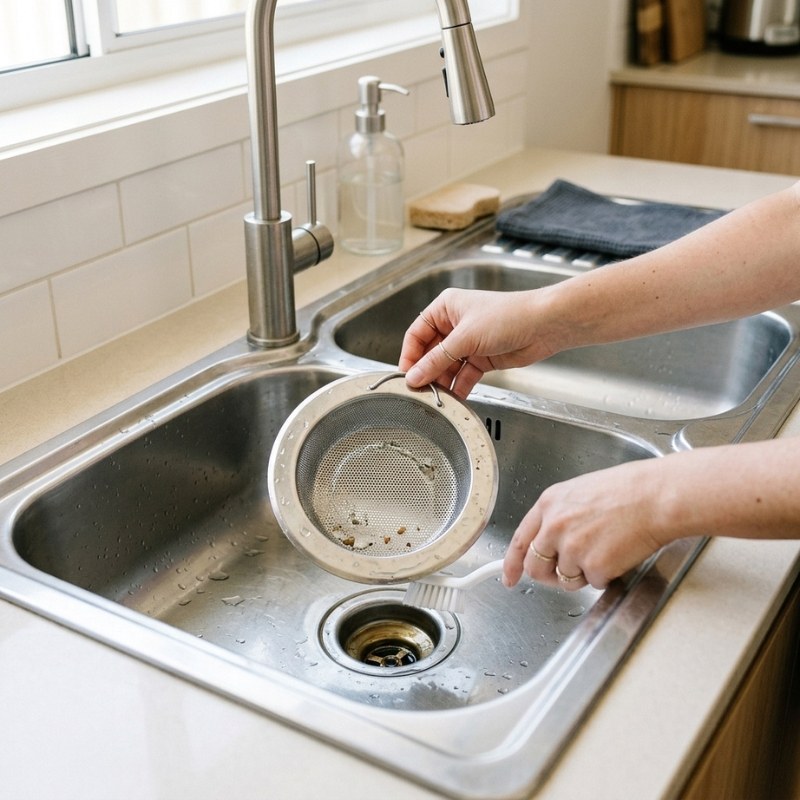
Some of the most effective drain care costs nothing and simply comes down to daily habits. In the kitchen, keep fats and oils out of the sink entirely, since they solidify in the pipe and are a leading cause of blockages; let them cool and put them in the bin instead. Use drain guards or strainers over your sink, shower and floor drains to catch food scraps, hair and debris before they enter the pipes, and empty them regularly. In the bathroom, be mindful of what’s flushed: toilet paper and human waste only, never wipes (even so-called flushable ones), sanitary items or paper towel, all of which are common blockage culprits. Outside, keeping gutters clear and looking after your stormwater drains helps your system cope with Sydney’s heavy downpours and stops leaves and debris washing in and building up. None of these habits is difficult, but together they prevent a large share of blockages and make your maintenance schedule far more effective.
When maintenance turns into a repair
Sometimes a routine clean or inspection reveals that a drain needs more than maintenance, and that’s actually the system working as intended, because catching a developing problem early is far better than meeting it as an emergency. A camera inspection might show tree roots that need clearing before they cause structural damage, in which case dealing with the tree root removal promptly protects the pipe. It might reveal grease or silt build-up best cleared with jetting, or a solid blockage suited to an electric eel. In some cases, it uncovers a crack, sag or early sign of pipe damage, which is valuable to know while it’s still minor, because a small problem addressed early through relining or a targeted repair is far cheaper and less disruptive than the collapse it could become if ignored. This is the real payoff of a regular CCTV drain inspection and maintenance routine: it doesn’t just keep drains flowing; it gives you early warning, so any repair happens at the smallest, least expensive scale rather than as a crisis.
Frequently asked questions
How often should household drains be professionally cleaned?
For many Sydney homes, a preventive clean every 12 to 18 months is a sensible baseline. Higher-risk properties, older clay pipes, large trees nearby, or a history of blockages benefit from a yearly clean. The right interval depends on your property, so a plumber can recommend a cadence based on your pipes and past problems.
Does pouring boiling water down the drain prevent blockages?
Hot water can help shift minor grease and keep a kitchen drain flowing, and it’s a reasonable habit, but it isn’t a cure for a real blockage or build-up further down the line, and boiling water can risk damage to some fittings. Treat it as light upkeep, not a substitute for proper cleaning when a drain is actually blocked.
How do I know if I have tree roots in my drains?
Recurring blockages in the same spot, gurgling, and slow drainage, especially in an older home with clay pipes or large trees nearby, are common signs of tree roots. They often can’t be confirmed from the surface, so a CCTV inspection is the reliable way to see roots inside the pipe and where they’ve entered.
Is a drain camera check worth it if I have no blockage?
It can be, particularly for older homes, properties with big trees, or before buying a house. A camera check can catch root intrusion, cracks or sagging early, before they cause a blockage or collapse, so you can plan a small repair rather than face an emergency. For higher-risk properties, that peace of mind is often worth it.
Final thoughts
Keeping your drains healthy in Sydney doesn’t take much: good daily habits, a preventive professional clean every 12 to 18 months (more often for higher-risk homes), and a CCTV check every few years to catch problems early. That simple routine prevents most blocked-drain emergencies, catches tree roots and pipe damage before they become a collapse, and saves you money and stress compared with reacting to a crisis. Want to stay ahead of blocked drains? Book Sydney drain plumbing maintenance with our licensed team and keep small problems small.
Talk to a licensed Sydney drainer. $0 call-out fee, and you get the price before anything starts.
Call (02) 8960 0868More drain advice
Still blocked? Book a drainer
We clear blocked drains across Sydney, every day and through the night. Tell us what the drain is doing and we will tell you what it takes to fix it.
NSW Licence 306733C. Fully insured. $0 call-out fee. Blocked drains cleared from $69.