Five Warning Signs Your Drain Needs Relining Soon
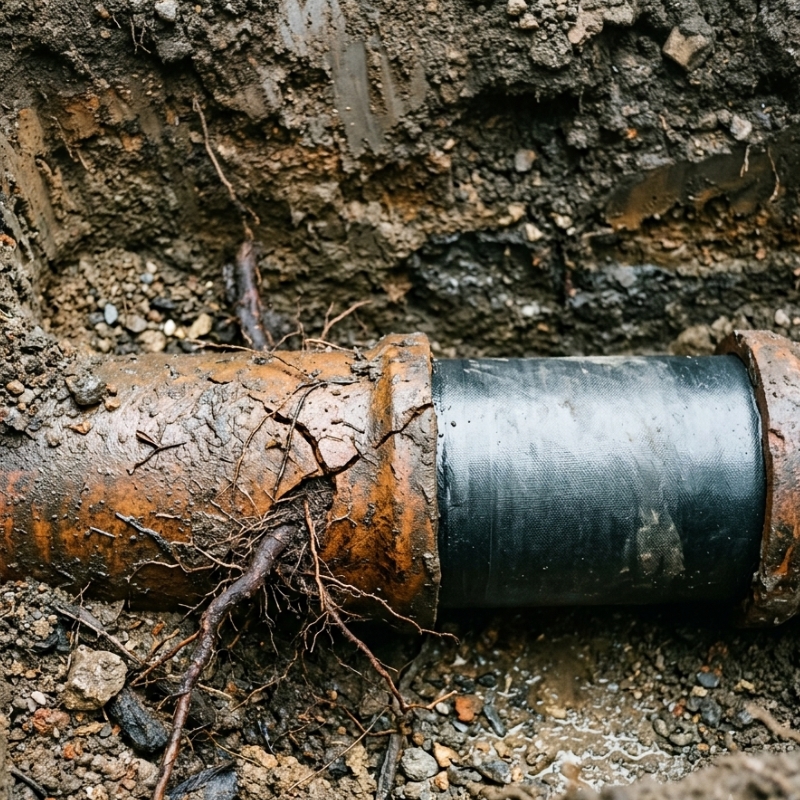
Blocked drains are common in Sydney’s older suburbs, but when the same section clogs again and again, it is rarely a coincidence. Underground pipes may be cracked, deformed or invaded by tree roots. Clearing the debris buys a little time, yet water will keep escaping through gaps and carrying fresh solids with it. Pipe relining seals the host pipe from the inside, restoring flow without open-cut excavation. Recognising the early signals saves money and prevents sudden back-ups that can damage interiors.
When a Simple Clearance Is No Longer Enough
High-pressure water jetting removes grease, wet wipes and root strands, but it cannot rebuild pipe walls worn thin by decades of acidic wastewater. Licensed plumbers usually follow clearance with CCTV inspection. If the video shows missing sections, major offsets or spider-web cracks, homeowners often wonder whether relining water pipes is better than replacing them. In many cases, relining is the more practical remedy when the existing pipe structure is still stable. Before any camera goes down the line, watch for these five tell-tale problems around the house and garden.
Clear Signs to Watch For
Back-ups in the Same Room
A single toilet overflow after an unlucky paper wad does not spell doom. Repeated back-ups from the same fixture, especially after you have already paid for professional jetting, point to an underlying breach further along the line. Water slows at the damaged section, solids settle, and the bathroom becomes the first place sewage has to escape. Booking an early pipe relining solution assessment keeps the next overflow from happening at 11 pm on a Sunday.
Slow Draining That Returns Quickly
Many homeowners notice an immediate improvement after the plumber leaves. Two weeks later, sinks take forever to empty again. The detergent lather and food scraps now lodge against rough concrete edges where the clay pipe has deteriorated. Because the channel narrows from the outside, plunging or pouring hot water achieves little. Consistently sluggish flow after recent cleaning indicates structural damage that a smooth epoxy liner can fix for good.
Gurgling Noises and Sewer Smells
Gases should vent through the stack on your roof. When cracks let air into the horizontal run, displaced wastewater forces gas bubbles up the shortest path: the bathroom floor waste or kitchen sink. The result is a hollow gurgle and a sour odour that lingers even after running water. Though air movement sounds harmless, it often means groundwater is entering the system during storms, adding sand and silt that accelerate pipe failure.
Lush Patches, Sinkholes or Paving Movement
Sydney’s clay soils shrink and swell, nudged by leaking waste beneath lawns, patios and driveways. Extra nutrients concentrate directly above the break, creating a bright green stripe in an otherwise dry patch of grass. In severe cases, the soil washes away, leaving a shallow depression or causing pavers to sag. Because these signs occur outdoors, people sometimes overlook them until a CCTV survey confirms the exact point of collapse.
CCTV Footage Showing Visible Wall Loss
The final sign is the one plumbers rely on before quoting: camera footage that clearly shows missing pipe wall, large root masses or an oval-shaped tube. If the pipe is still circular, small cracks can be patched individually. Once deformation appears, full-length relining is usually recommended to avoid piecemeal repairs and multiple excavations.
How Plumbers Confirm the Diagnosis
Technicians start with electric eel or jetting equipment to restore flow, then send a high-definition camera down the line. Modern rigs record depth and grade in real time, so the crew knows exactly where to dig if a small access hole is required. The file becomes part of the property record, useful for warranty claims or future renovations. For relining suitability, plumbers look at three factors: material (clay, cast iron, PVC), remaining wall thickness and how accessible junctions are for reinstatement.
During relining, resin-soaked liners are inverted through existing inspection points, then cured under steam or UV light. The result is a joint-free, corrosion-resistant pipe rated to last at least 50 years under AS/NZS 3500 standards.
Why Early Relining Saves Money
Excavating across a driveway or under a bathroom slab often costs more than the liner itself. Relining avoids demolition, reduces time on site and eliminates landscape reinstatement bills. Home insurance rarely covers deterioration, so delaying until a full collapse means paying for both emergency pumping and replacement works. Acting on the warning signs above preserves the host pipe while there is still enough structure to support the liner.
Sydney Water reminds property owners they are responsible for private wastewater pipes up to the connection point on the street main. Their page on blockages and overflows responsibilities explains why ignoring leaks can lead to fines if sewage reaches stormwater drains.
Ready for an Expert Opinion?
A licensed plumber equipped with CCTV gear can confirm pipe condition in less than an hour. If relining is suitable, the job is typically completed within a day for a single dwelling, with minimal disruption to water use. The peace of mind that comes from a sealed system and a long warranty far outweighs the frustration of repeated blockages