
How to Spot a Sagging or Collapsed Sewer Line Before It Costs You
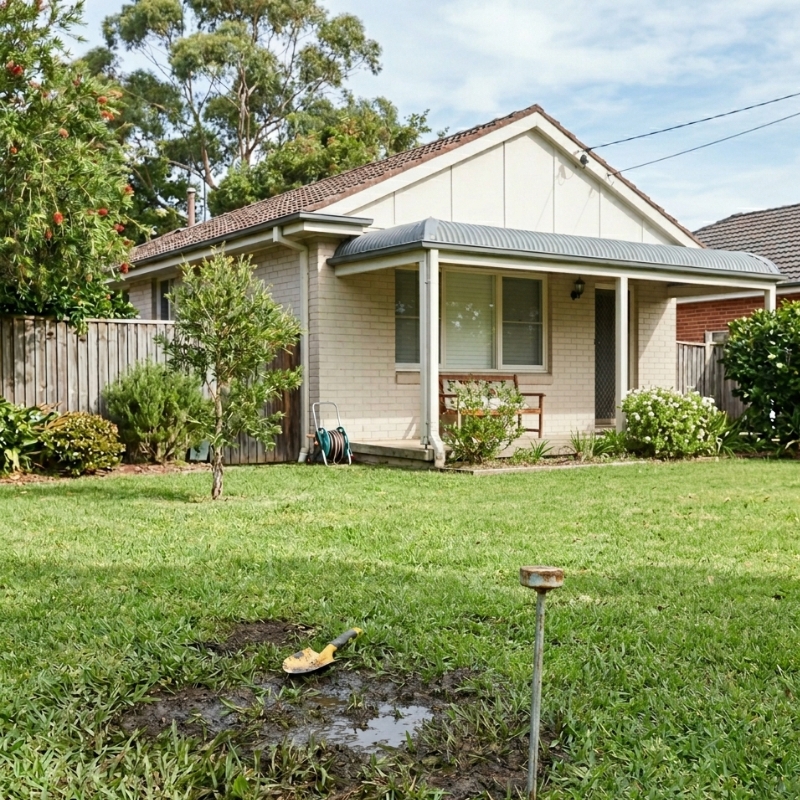
A sewer line does not fail overnight. Long before messy overflows or a hefty excavation bill, small clues start appearing around the home and yard. Catch those signals early, and you can often fix the problem with minimal disruption instead of digging up half the property. This guide walks Sydney homeowners through the safest do-it-yourself observations, explains what causes pipes to sag or collapse in our clay soils, and shows when modern pipe relining can restore the line without trenches.
1. Why Sewer Lines Sag or Collapse in Sydney
Most underground wastewater pipes in metro Sydney are PVC, earthenware, or cast iron. Each material can fail differently, yet the underlying causes are similar.
1.1 Ground Movement in Clay Soils
Large parts of Western Sydney and the North Shore sit on reactive clay. These soils swell when it rains and shrink during dry spells. Repeated movement creates low points or “bellies” where the pipe no longer sits on a steady grade, slowing the flow and allowing solids to settle.
1.2 Tree Root Pressure
Jacarandas, figs, and liquidambars are loved for shade but notorious for roots. Where joints have weakened, roots can push the pipe down, creating a dip. Over time, the pipe wall may crack or collapse under the pressure.
1.3 Age and Material Fatigue
Clay and cast-iron sections installed before the 1970s can become brittle, especially after decades of corrosive wastewater. Cracks allow soil to wash in, undermining support so the pipe sags and may eventually snap.
1.4 Heavy Surface Loads
New driveways, renovations, or even tradie trucks parked over shallow services can put extra weight on pipes already weakened by ground movement.
Knowing the local causes helps you spot the right symptoms sooner.
2. Early Home Checks You Can Do Safely
You do not need CCTV gear to notice many warning signs. Use the checklist below to decide if professional confirmation is worth booking.
| Observation | What It Might Mean | Safe Next Step |
| Slow drains across multiple fixtures | Possible dip or blockage beyond branch lines | Time how long water drains this week and recheck next week |
| Gurgling or bubbling toilets | Air trapped by partial sag or obstruction | Note when it happens, especially during showers or laundry |
| Unexplained wet patch or greener grass above the line | Soil absorbs minor leaks from hairline cracks | Mark the spot, watch after rain to see if patch widens |
| Reappearing blockages after DIY clearing | Something structural instead of loose debris | Keep track of how quickly the blockage returns |
| Foul odour in the yard on warm days | Gas escaping through cracks where water leaks | Walk the line after work hours when use is high |
These observations cannot confirm a collapse, but they narrow the risk so you can act before a small dip turns into a full blockage.
3. Minor Dip, Serious Sag, or Total Collapse? How the Symptoms Escalate
Not every dip needs urgent excavation. Use the guide below to understand the scale of the issue and suitable next steps.
| Stage | Typical Signs | Likely Condition | Recommended Action |
| Minor dip | Occasional slow flushes, no overflow | Small belly, wastewater still passes | Monitor, consider CCTV if symptoms worsen |
| Noticeable sag | Frequent gurgles, repeated plunging, wet turf | Waste settling in low point | Schedule CCTV, plan trenchless repair before pipe cracks |
| Partial collapse | Back-flow into the lowest fixture, strong odour, localised sinkhole | Pipe wall fractured, soil ingress | Call a licensed plumber, assess relining feasibility |
| Full collapse | Sewage overflow outside or inside, multiple fixtures blocked | Pipe section crushed or snapped | Emergency bypass pumping, partial replacement or sectional relining |
4. What a Professional CCTV Inspection Reveals
Even experienced plumbers rely on cameras to diagnose a sagging line accurately. During a CCTV inspection, the technician will:
- Insert a high-definition camera through the nearest access point.
- Measure the fall with an in-line inclinometer to pinpoint bellies.
- Record images of cracks, root masses, or soil inside the pipe.
- Locate the problem from above using a sonde and surface locator.
- Mark depth and length so you know exactly where the pipe needs correction.
In Sydney, most CCTV units also capture the pipe’s internal diameter and material, handy for choosing the correct liner size if relining is viable.
5. When Is Pipe Relining the Right Fix?
Pipe relining creates a new structural liner inside the damaged section, restoring flow without digging up patios or manicured lawns. It suits:
• Sagging caused by joint displacement rather than total loss of gradient
• Collapsed spots shorter than about two metres where the rest of the line is sound
• Heritage or densely built suburbs where excavation would damage sandstone walls or tight terraces
• Owners who want a 50-year design life without concrete breaking or council footpath permits
Relining is less suited if the pipe has:
• Multiple directional changes in a short run that complicate linear curing
• Severe misalignment greater than a third of the pipe diameter
• Extensive backfill needing the entire grade to be re-established
6. Relining vs Traditional Replacement: Key Comparisons for Homeowners
| Factor | Trenchless Relining | Open-Cut Replacement |
| Surface disruption | Minimal – small launch pits | High – long trenches, possible driveway removal |
| Time on site | 1–2 days for most domestic jobs | 3–5 days plus reinstatement |
| Permit requirements | Usually, no council permit for backyards | Possible council, Sydney Water, or road opening permits |
| Structural strength | Epoxy liner rated equal to or stronger than PVC | New PVC or HDPE |
| Long-term grade correction | Corrects cracks, but cannot regrade a severe backfall | Allows full re-grade if trench is extended |
A licensed plumber can explain which option meets local code for your address and plans.
7. Local Regulations and Environmental Considerations
Sydney Water and local councils require any major sewer work to keep public mains safe from infiltration. According to Sydney Water guidelines, private lines must maintain a minimum grade and be watertight. Relined pipes that pass a vacuum or air test generally meet these rules without further paperwork, saving homeowners time and fees compared with a full dig-up that might encroach on shared easements.
8. Common Mistakes to Avoid
- Ignoring small backups, assuming “it is the tenant’s flushable wipes”.
- Pouring harsh cleaners that can soften older PVC while not removing roots.
- Ordering jet-blasting without CCTV – you might clear the symptom but miss the sag.
- Accepting a quote based only on external inspection. Always ask for the CCTV footage.
- Delaying repairs over winter. Wet soils can hide leaks until the soils dry and movement worsens.
9. Questions to Ask Before Approving Any Repair
• Does the CCTV footage show the entire length, including the house trap?
• How long is the sagged or collapsed section in metres?
• Will relining correct structural integrity and flow, or just seal cracks?
• What warranty covers the liner material and workmanship?
• If excavation is recommended, who restores paving, tiling, or landscaping afterwards?
These questions help you compare quotes on a like-for-like basis and avoid hidden reinstatement costs.
10. Related Reading for Deeper Insight
Want a focused breakdown of repair choices? See Is It Possible To Repair A Sagging Sewer Line? for a step-by-step look at repair vs replacement scenarios.
FAQs
1. How quickly can a small pipe belly turn into a full collapse?
There is no fixed timetable. In reactive clay, a minor dip can stay stable for years, or heavy rain followed by drought can deepen the sag in one season. Regular CCTV checks every two to three years keep surprises to a minimum.
2. Will home insurance cover relining if my sewer collapses?
Policies vary. Many cover damage caused by the failure, like water damage, but not the pipe repair itself. Always check the “accidental damage to underground services” clause.
3. Can I use an endoscope camera instead of paying for professional CCTV?
Small DIY cameras can spot visible cracks near inspection points, yet they lack distance markers, lighting, and self-levelling heads. You will not capture accurate grade measurements or locate the depth, so professional CCTV is still advised for structural issues.
4. Is relining safe for heritage terraces with shared boundaries?
Yes, relining is popular in Inner West terraces because liners can be installed from a single entry point without digging under party walls. The plumber must confirm the common line alignment and get neighbour consent where necessary.
5. How long does an epoxy liner last?
Manufacturers rate high-quality epoxy liners for 50 years when installed to specification. Longevity depends on proper curing, correct resin mix, and a clean host pipe before installation.
Final Thoughts
Spotting a sagging or collapsed sewer line early can turn a stressful, costly emergency into a planned, trenchless repair. By tracking slow drains, gurgling sounds, and unusual lawn patches, you give yourself time to book a CCTV inspection and weigh relining against excavation. If symptoms keep returning or you see multiple warning signs together, a qualified plumber can confirm the condition and outline the safest fix. Acting promptly protects your home, budget, and peace of mind.