What Is The Best Way to Unclog A Drain?
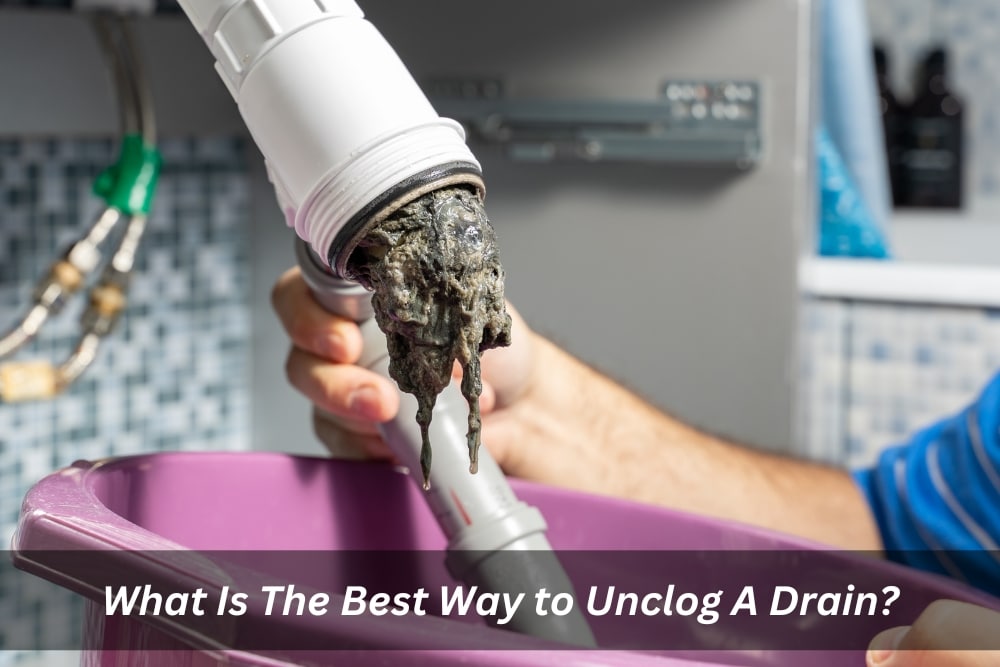
What Is The Best Way to Unclog A Drain?

Is your sink or bathtub taking too long to drain and you are looking for the best way to unclog your drain? Drain clogs are caused by various materials such as soap, oil and dirt. It can be easy to assume that you need to buy expensive chemicals or call a professional plumber when faced with a clogged drain. However, this may not always be the case: there are lots of DIY solutions available to get your drains running again in no time.
Unclogging a drain doesn’t have to be a hassle. Depending on the severity of the blockage, many simple DIY remedies can clear out the problem without having to call in a plumber. Knowing which method or clog remover will work best will save you both money and time—let’s take a look at some of the most effective ways to unclog your drains.
- Boiling Water: Boiling water is one of the simplest and most effective ways to unclog a sink or drain. Pour a pot of boiling water down the drain, wait a few minutes, and then flush with cold water. This method works best for minor clogs caused by soap or grease buildup.
- Baking Soda and Vinegar: This combination is a great natural alternative to chemical drain cleaning. Begin by pouring a pot of hot water into the sink, followed by combining 1/2 cup each of baking soda and vinegar. Cover the drain and let it sit for 30 minutes before flushing it with cold water.
- Plunger: A toilet plunger is an effective tool that unclogs bathroom sinks and bathtubs. Make sure to cover the overflow drain before plunging, and use a steady up-and-down motion. This should help to loosen the clog and get your drains running again.
- Snake: A plumbing snake is a long, flexible tool that can be used to remove stubborn clogs in pipes. Insert the snake into the drain and twist it around until you feel resistance—this indicates that the clog has been dislodged.
- Chemical Drain Cleaners: If all else fails, you can always resort to chemical drain cleaners. These are available in liquid or powder form and should be used as a last resort, as they can be caustic and damaging to pipes. Make sure to follow the instructions on the package carefully and wear protective gloves when handling these products.
No matter which method you choose, unclogging a drain doesn’t have to be a hassle. With the right tools and knowledge, you can get your drains running again in no time.
What leads to a clogged drain?
Here are some of the most common causes of blocked drains:
- The buildup of soap scum and hair.
- Grease and oil buildup.
- Accumulation of debris such as leaves, twigs, and dirt.
- Food waste.
- Tree roots that have infiltrated the pipes.
- Corrosion of the pipes due to age.
- Cracked or broken pipes.
- Improper installation of the drainage system.
- Blocked vents that prevent air from entering the drainage system.
There are other possible causes of clogged drains, but these are the most common. If you suspect any of these issues, it is best to call a professional plumber for assistance.
How do you know when it’s safe to use chemical cleaners to unclog your drains?
When it comes to using chemical cleaners on your drains, safety should always be a priority. Before using any chemical cleaner, it is important to check the label and make sure that it is safe for use on your particular type of drain pipe.
Some chemical cleaners can be corrosive and may damage certain types of piping. It is also important to wear protective gloves when handling these products, as they can be hazardous to your health. If you are unsure, it is best to consult with a professional plumber before using any chemical cleaners on your drains.
Call a plumber if you can’t unclog a drain by yourself
If the clog is particularly difficult to remove, it may be best to call a professional plumber. A plumber will have the right tools and knowledge to effectively unclog your drain without causing any damage. They will also be able to identify any underlying issues that may be causing the blockage, such as cracked or broken pipes, tree roots infiltrating the pipes, or corrosion due to age. Additionally, a plumber knows the plumbing code standards and notes and will be able to make sure that your drainage system is up to code.
Preventing Clogged drains in the Future
Preventing clogs in the future is key to keeping your drains running smoothly. Here are some tips for preventing clogs:
- Avoid pouring grease, oil, and food scraps down the drain. These can accumulate in your pipes and lead to blockages.
- Use strainers in sinks and tubs to catch hair and other debris before it has a chance to enter the drain.
- Regularly clean out the strainers to prevent buildup.
- To prevent a buildup of soap scum or debris in your pipes, flush them with hot water frequently.
- If you have tree roots infiltrating your pipes, call a professional plumber who offers clogged or blocked drains repair services.
By following these tips, you can help ensure that your drains remain clog-free and running smoothly.